
Introduction
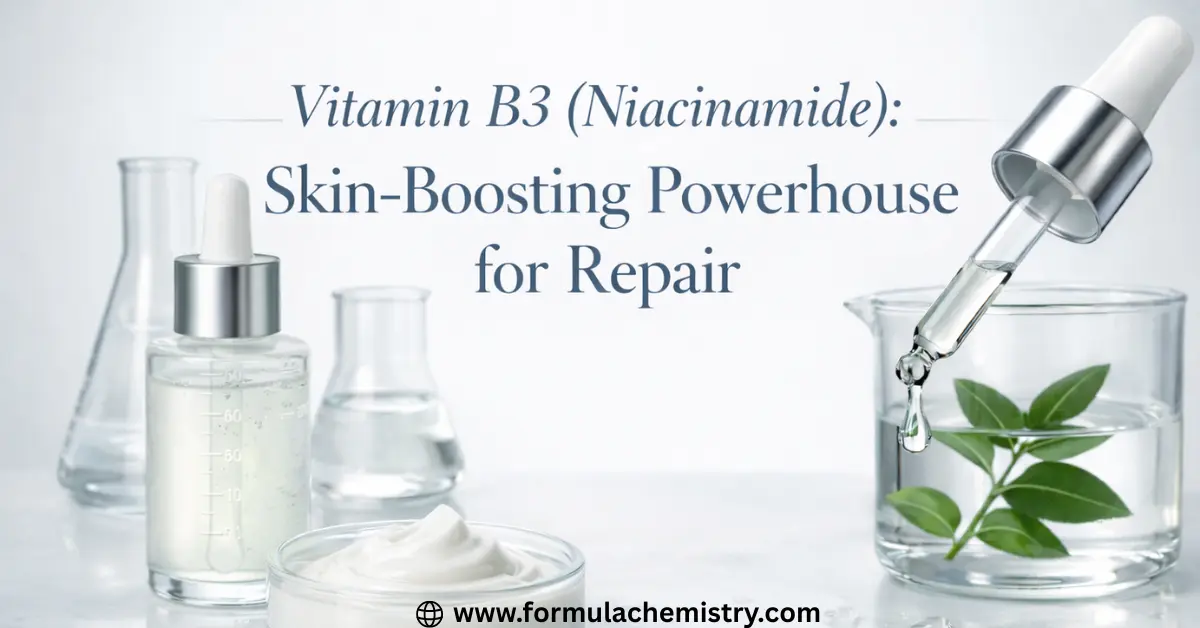
Vitamin B3, commonly known as niacinamide or nicotinamide, is a water-soluble vitamin that has become a key element in modern dermatological science.
Unlike its cousin, nicotinic acid, niacinamide does not cause skin flushing, rendering it a versatile and well-tolerated active for various skin types.
At FormulaChemistry, we focus on understanding the molecular properties of actives to ensure they are utilized for maximum efficacy and safety.
Quick Facts
- What it is: A water-soluble amide of nicotinic acid (Vitamin B3).
- Who it’s for: Suitable for all skin types, especially those with oiliness, redness, or barrier compromise.
- How to use: Apply in water-based serums, lotions, or creams after cleansing.
- Typical usage range: 2% to 5% for general benefits; up to 10% for particular concerns.
- pH/Solubility: Highly water-soluble; functions best at a pH of 5.0 to 7.0.
- Compatibility: Compatible with most actives; use caution when layering with high-concentration L-ascorbic acid.
- Common Mistakes: Using in very low pH formulations, which can cause hydrolysis into nicotinic acid.
- Safety Note: Always perform a patch test when introducing high concentrations (10%+) to sensitive skin.
The Biological Role of Niacinamide in Repair
Niacinamide acts as a precursor to the coenzymes NAD (nicotinamide adenine dinucleotide) and NADP. These molecules are essential for the energy metabolism of cells and the repair of DNA.
When applied topically, niacinamide supports the skin’s barrier function by increasing the synthesis of ceramides and other intercellular lipids. This process reduces transepidermal water loss (TEWL) and improves the skin’s defense against environmental stressors.
Discover the benefits of Vitamin B6: The Powerhouse Nutrient for Mind and Body for overall health.
What Makes Niacinamide a Versatile Formulation Active?
Chemical Stability and Solubility
Niacinamide is favored by formulators because of its robust stability. It is relatively resistant to heat and light, which eases manufacturing and storage compared to more volatile antioxidants like Vitamin C.
It dissolves easily in the water phase of a formulation, requiring no complex solubilizers. However, the pH of the final product must be monitored to prevent the ingredient from converting to nicotinic acid, which can cause temporary skin redness and tingling.
| Feature | Specification |
| Common Usage Range | 2.0% – 5.0% (Max 10%) |
| Optimal pH Range | pH 5.5 – 6.5 |
| Solubility | Water-soluble |
| Incompatibilities | Strong acids (pH < 4.0) |
| Main Function | Barrier repair, sebum control, brightening |
Synergistic Combinations in Skincare
Niacinamide performs exceptionally well when paired with other actives. For instance, combining it with N-Acetyl Glucosamine (NAG) has been shown to improve its hyperpigmentation-fading properties.
It also pairs effectively with zinc PCA for acne-prone skin or hyaluronic acid for deep hydration. FormulaChemistry states that while niacinamide is “hardy,” it should be kept away from low-pH exfoliating acids in the same bottle to maintain its integrity and prevent skin flushing.
Mechanisms of Barrier Enhancement and Oil Control
Lipid Synthesis and Ceramide Production
One of the primary ways Vitamin B3 repairs the skin is by stimulating the production of keratin and the synthesis of ceramides. Ceramides act as the “mortar” between skin cells, preventing moisture from escaping and harmful agents from entering.
By boosting these lipids, niacinamide strengthens the skin’s physical integrity. This is especially helpful for those with eczema or chronically dry skin who suffer from a depleted lipid barrier.
- Common Problems and Fixes:
- Problem: Formulating at a pH below 4.0. Fix: Use a buffer like sodium citrate to keep the pH between 5.0 and 7.0.
- Problem: “Pilling” when layered with other products. Fix: Reduce the concentration of high-molecular-weight thickeners in the niacinamide serum.
- Problem: Skin irritation at high doses. Fix: Lower the usage range to 2% or 3%, which is still effective but much gentler.
Regulation of Sebum and Pore Appearance
Beyond repair, niacinamide is a potent regulator of the sebaceous glands. Unlike harsh astringents that strip the skin of oil, niacinamide helps balance the rate of sebum excretion.
This leads to a reduction in the “greasy” appearance of the skin and prevents pores from becoming clogged with excess debris. As the oil flow is regulated, the appearance of enlarged pores often diminishes, resulting in a smoother skin texture.
Safety Guidelines and Best Practices for Use
Understanding Sensitivity and Potential Reactions
While niacinamide is generally recognized as safe, high concentrations are not always better. Many commercial products now feature 10% or even 20% niacinamide, which can lead to irritation for individuals with hypersensitive skin.
Who should avoid
high concentrations: individuals with a known sensitivity to Vitamin B3 or those with extremely compromised skin barriers until they have performed a patch test. FormulaChemistry provides practical formulation education and safety-forward guidance to help users deal with these active ranges responsibly.
Practical Formulation and Preservation
When creating a DIY or professional-grade niacinamide product, the inclusion of a preservative system is mandatory. Since niacinamide is used in water-based solutions, it is highly susceptible to microbial contamination.
Key warnings:
always use a broad-spectrum preservative and ensure the pH remains stable throughout the product’s shelf life. Monitoring the pH is the best way to ensure the niacinamide does not degrade into nicotinic acid, which operates as both a quality control measure and a safety protocol.
At FormulaChemistry, we think that informed formulation leads to superior results. By respecting the chemical requirements of Vitamin B3, you can create a powerhouse product that repairs, protects, and improves the skin without needless risk.
FAQs about Vitamin B3 (Niacinamide): Skin-Boosting Powerhouse for Repair
Can I use Niacinamide with Vitamin C?
Yes, you can layer them. While older research suggested they might cancel each other out, modern formulations show they are compatible, though using them at different times of day may prevent irritation in sensitive individuals
What is the best pH for a Niacinamide serum?
The optimal pH note for stability and comfort is between 5.5 and 6.5. Avoid dropping below pH 4.5 to prevent the formation of nicotinic acid.
Does Niacinamide help with acne?
It is highly effective for acne-prone skin due to its ability to regulate oil production and reduce the appearance of redness and inflammation associated with breakouts.
How long does it take to see results?
Consistent use typically yields visible improvements in barrier function and hydration within 2–4 weeks, while hyperpigmentation and pore size may take 8–12 weeks.
Is a 10% concentration better than 5%?
Not necessarily. Most clinical studies proving efficacy were conducted at 2% to 5% usage ranges. Higher concentrations increase the chance of irritation without guaranteed proportional benefits.
Can Niacinamide cause purging?
No, niacinamide does not increase cell turnover in the same way retinoids or acids do, so it should not cause traditional “purging.” If you break out, it may be a reaction to the specific formulation.
Is Niacinamide safe during pregnancy?
Yes, Vitamin B3 is widely regarded as safe for topical use during pregnancy, but always consult a medical provider regarding your specific skincare routine.
Should I apply Niacinamide to wet or dry skin?
It is best applied to slightly damp skin to help lock in moisture, though it is effective on dry skin as well, provided it is followed by a moisturizer.