
Introduction
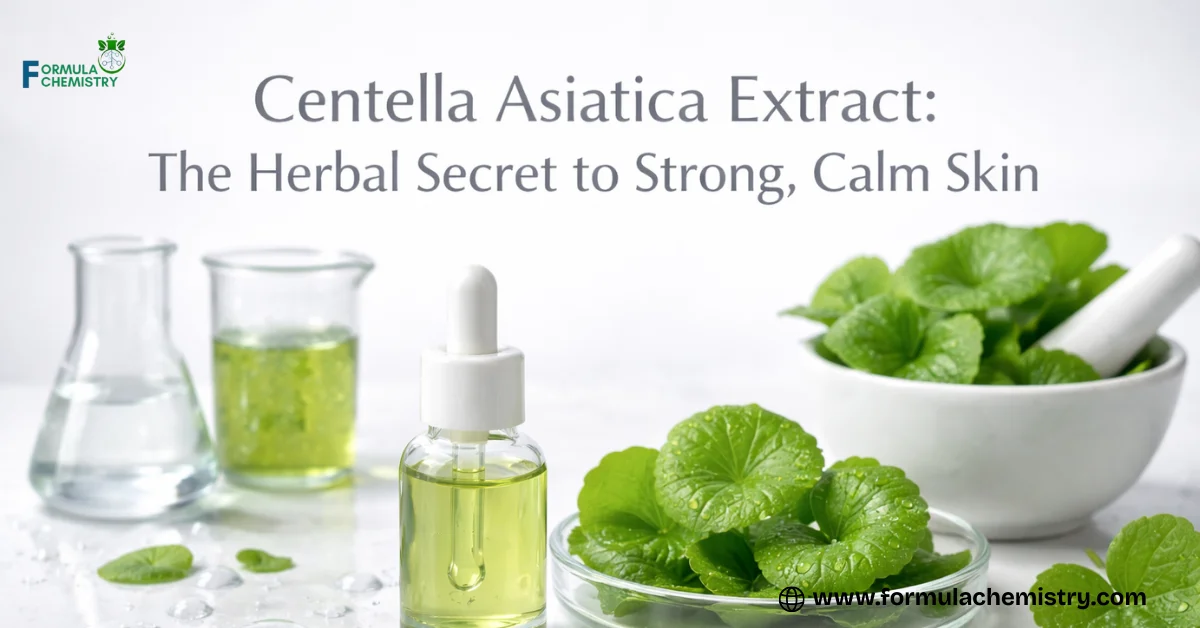
Centella Asiatica, also known as Gotu Kola or “Tiger Grass,” has transitioned from traditional pharmacopeia to a foundation of modern dermo-cosmetics.
At FormulaChemistry, we analyze this botanical through the lens of phytochemistry to understand how its active constituents triterpenoid saponins interact with the skin barrier.
This extract is prized for its ability to accelerate tissue repair and suppress inflammatory mediators, making it a “herbal secret” that is now endorsed by rigorous formulation science.
Quick Facts
- What it is: A perennial medicinal plant rich in saponins (asiaticoside, madecassoside) and triterpene acids.
- Who it’s for: Ideal for sensitive, compromised, or acne-prone skin types requiring barrier support.
- How to use: Incorporate into the water phase of emulsions, or use in water-based serums and toners.
- Typical usage range: 0.5% to 5.0% for standardized liquid extracts; 0.1% to 0.5% for pure powdered glycosides.
- pH/Solubility: Generally stable between pH 4.0 and 7.0; water-soluble (extract form) or solvent-dependent (powder form).
- Compatibility: Highly compatible with Niacinamide, Hyaluronic Acid, and Ceramides; avoid high-heat processing over 60°C.
- Common mistake: Assuming all Centella extracts are equal; efficacy is contingent heavily on the concentration of active terpenoids.
- Safety note: Perform a patch test to rule out botanical allergies; always preserve water-based Centella formulations.
Botanical Composition and Extraction Methods
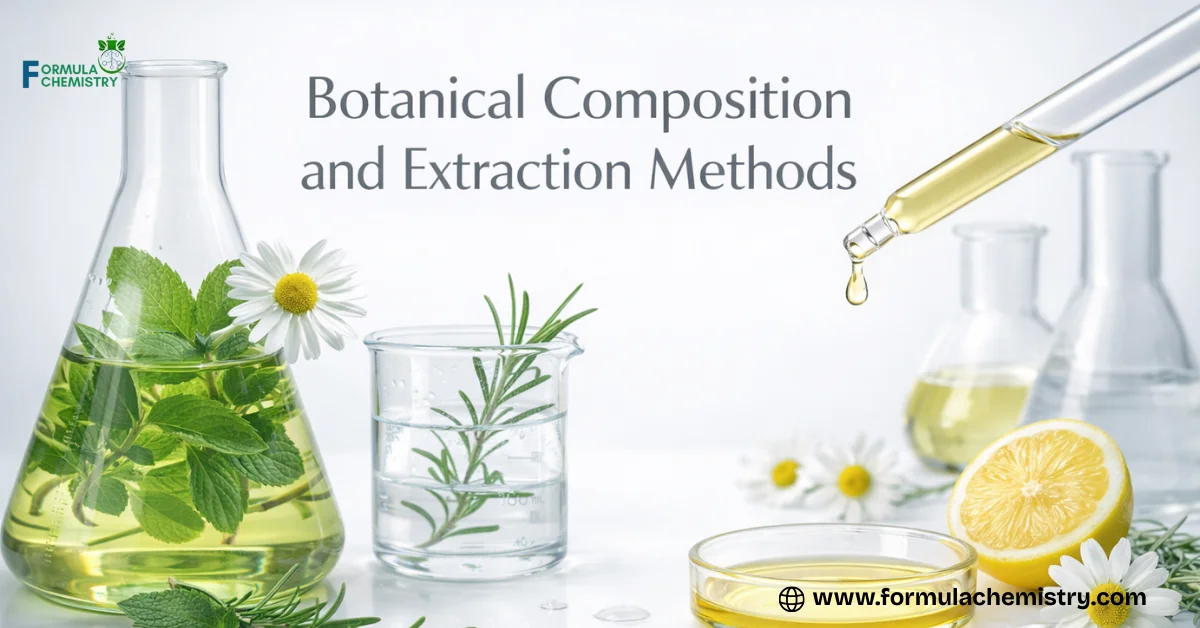
The efficacy of Centella Asiatica is dictated by its four primary active molecules: Asiaticoside, Madecassoside, Asiatic Acid, and Madecassic Acid.
When formulating, it is vital to distinguish between a simple macerated oil, a diluted hydroglycolic extract, and Titrated Extract of Centella Asiatica (TECA).
FormulaChemistry emphasizes that the extraction method directly affects the biological activity of the final product.
High-quality extracts utilize standardized processes to ensure these four saponins are present in therapeutic concentrations. For formulators, understanding whether your extract is glycerin-based or a concentrated powder will determine your usage ranges and final formulation stability.
What Are the Core Benefits of Centella Asiatica in Skincare?
The primary appeal of Centella Asiatica consists of its multi-pathway approach to skin health. It does not simply sit on the surface; its constituents facilitate cellular communication.
Research indicates that Asiaticoside can stimulate the synthesis of GAGs (glycosaminoglycans) and collagen Type I, which are the scaffolding of firm, youthful skin.
Wound Healing and Barrier Repair
Centella Asiatica is a potent “cica” ingredient because it modulates the inflammatory response. Inhibiting the activity of certain pro-inflammatory cytokines allows the skin to move from the inflammatory phase to the proliferative phase of healing more efficiently.
This makes it an excellent inclusion for post-treatment care or for soothing skin after chemical exfoliation.
| Ingredient Form | Recommended Usage | Best Use Case |
| Hydro-glycolic Extract | 1.0% – 5.0% | Daily toners and lightweight serums |
| TECA (Powdered) | 0.1% – 0.5% | Targeted barrier repair salves |
| Liposomal Centella | 2.0% – 4.0% | Deep-penetrating night creams |
| Centella Oil Infusion | 5.0% – 10.0% | Soothing body oils or balms |
Antioxidant Protection and Photo-Aging
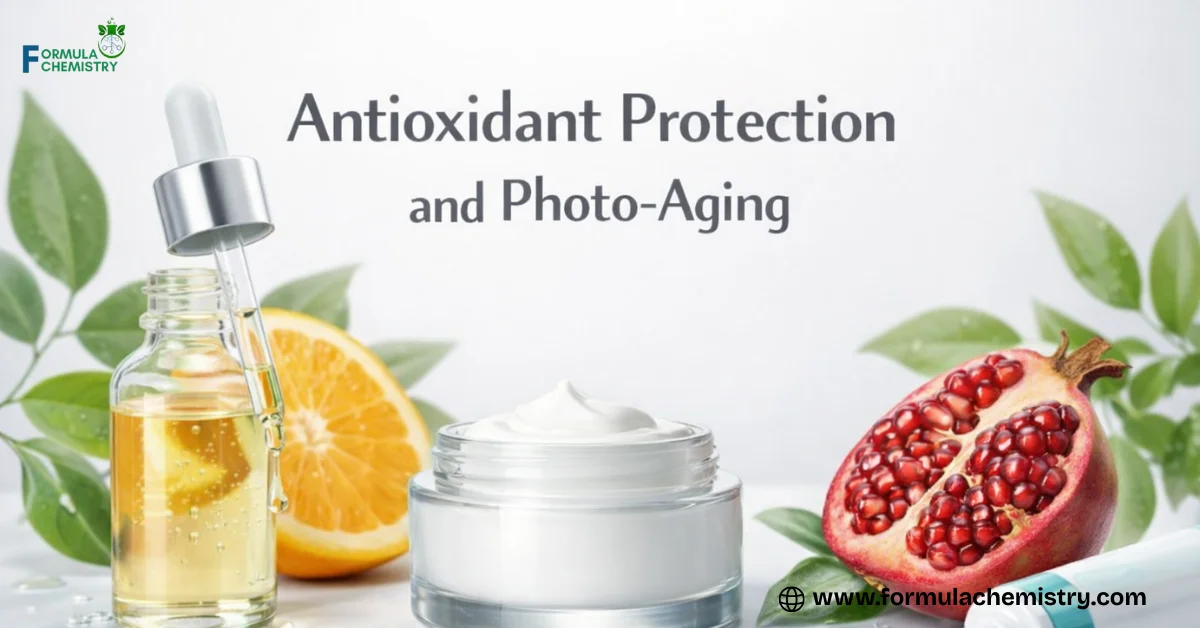
Beyond healing, Centella functions as a robust antioxidant. It helps neutralize reactive oxygen species (ROS) generated by UV exposure and pollution. By lessening oxidative stress, it prevents the degradation of the extracellular matrix.
This twofold action protecting existing structures while stimulating new ones positions Centella as a core ingredient for preventative aging.
Who should avoid:
Individuals with a known allergy to the Apiaceae (parsley) family.
Key warnings:
Discontinue use if localized redness or itching occurs, as botanical extracts can occasionally cause contact dermatitis in highly sensitive individuals.
How to Formulate with Centella Asiatica Extract
Integrating Centella into a professional-grade formula necessitates attention to temperature and solubility.
Most liquid extracts are heat-sensitive and should be added during the cool-down phase (below 40°C) to prevent the degradation of heat-labile phytochemicals.
If you are using the purified powder form, it often requires a solvent like Propanediol or Ethoxydiglycol to achieve a clear solution before being added to the main batch.
Solubility and Stability Parameters
For a stable product, the pH notes are critical. Centella extracts are most stable in a slightly acidic to neutral range, typically pH 5.0 to 6.5. If a formula becomes too acidic (below pH 4.0), the saponins may lose their physical integrity over time.
Furthermore, because Centella is often delivered in a water-based solution, a strong, broad-spectrum preservative system is mandatory to prevent microbial bloom.
Common Problems and Fixes:
- Problem: Extract causes cloudiness in a clear serum.
- Fix: Check the solubility; use a solubilizer or switch to a water-soluble glycerin-based extract.
- Problem: Formula changes color (browning) over time.
- Fix: Add a chelating agent (like Disodium EDTA) and an antioxidant (like Sodium Metabisulfite or Vitamin E) to prevent oxidation of the plant phenols.
- Problem: Active powder won’t dissolve.
- Fix: Pre-slurry the powder in a humectant like Butylene Glycol or heat the solvent slightly to 50°C before addition.
Compatibility with Other Actives
Centella Asiatica is a “team player” in cosmetic chemistry. It pairs exceptionally well with Vitamin C, as it may help reduce the irritation often associated with L-Ascorbic Acid.
When used alongside Salicylic Acid, it provides a calming counter-effect to the drying nature of BHA. Formula Chemistry provides practical formulation education and safety-forward guidance to help creators deal with these complex synergistic relationships safely.
Why Centella Asiatica is Essential for Sensitive Skin
The modern “skin-fluencer” era has led to an increase in compromised skin barriers due to over-exfoliation.
Centella Asiatica has become the industry’s answer to this epidemic of sensitivity. Its ability to upregulate filaggrin a protein essential for the structural strength of the stratum corneum allows the skin to retain moisture and repel environmental irritants more effectively.
Addressing Redness and Inflammation
The triterpenes in Centella are specifically effective at reducing vasodilation, which appears as visible redness or rosacea-like symptoms.
By strengthening the capillary walls and reducing the release of histamine, Centella provides a visible “calming” effect. This makes it a core for anyone formulating “anti-redness” or “relief” creams.
Long-term Barrier Maintenance
Consistency is fundamental with Centella. While its comforting effects are immediate, its barrier-strengthening benefits are cumulative.
Regular use at a usage range of 2% to 3% in a daily moisturizer can lead to a measurably lower Transepidermal Water Loss (TEWL) rate. This ensures the skin is hydrated from within, rather than relying on occlusive waxes alone.
At FormulaChemistry, we stress that while Centella is incredibly safe, it is not a “cure-all.” It should be viewed as a supporting pillar in a well-rounded skincare routine focused on health rather than aggressive “correction.”
As an editorial responsibility, we remind users that high concentrations of any botanical should be introduced gradually to monitor for individual sensitivity.
Looking to strengthen your skin barrier even further? Explore our guide on Beta-Glucan: The Skin Barrier Whisperer to learn how this deeply hydrating ingredient supports repair, reduces sensitivity, and works beautifully alongside Centella Asiatica.
FAQs about Centella Asiatica Extract: The Herbal Secret to Strong, Calm Skin
Is Centella Asiatica safe for acne-prone skin?
Yes, its anti-inflammatory properties help reduce the swelling of active blemishes, while its wound-healing capabilities prevent post-inflammatory hyperpigmentation (PIH).
Can I use Centella Asiatica with Retinol?
Absolutely. It is highly recommended to use Centella alongside Retinoids to buffer possible irritation and support the skin barrier during the retinization process.
Does Centella Asiatica expire?
Like all botanical extracts, it has a shelf life, usually 12–24 months. Always check the “best by” date from your supplier and store it in a cool, dark place.
What is the difference between Centella and Madecassoside?
Madecassoside is just one specific active molecule found within Centella Asiatica. Using the pure molecule allows for more targeted, high-potency results than using the whole plant extract.
Is Centella Asiatica safe during pregnancy?
Topical Centella Asiatica is widely regarded as safe for use during pregnancy, though you should always consult a medical provider regarding new skincare ingredients.
Can Centella Asiatica cause purging?
No, Centella does not increase cell turnover in the way that acids or retinoids do, so it should not cause a purging response.
What skin type benefits most from “Tiger Grass”?
While all skin types can benefit, those with dry, sensitive, or compromised skin see the most dramatic improvements in redness and comfort.
How should I store a Centella serum?
Keep it in a cool, dry area away from direct sunlight. If the serum contains high levels of botanical extracts, an amber or opaque bottle is preferred to prevent UV degradation.