

By Dr. SamiUllah, PhD Lead Formulator, Formula Chemistry
Quick Answer: To learn how to make your own cologne, dissolve 5% citrus led essential oils (about 60% top, 24% heart, 16% base) in 80% perfumer’s alcohol (Alcohol Denat., CAS 64-17-5), then slowly add 15% distilled water for a final strength near 76% ethanol.
Rest the blend for 2 weeks, chill it at 2 to 5°C for 48 hours, and filter it cold, because the high water content pushes citrus waxes out of solution.
Why Does Homemade Cologne So Often Smell Like Cleaning Spray?
A good cologne smells like sunlight on citrus peel and fresh herbs. Get it wrong, and it smells like lemon floor cleaner, flat and sharp at the same time.
That difference comes down to balance, water, and fresh materials. This guide shows how to make your own cologne the classical way, with a top heavy citrus structure, a soft aromatic heart, and just enough base to keep it from vanishing in minutes.
Cologne is the lightest alcohol fragrance format and the most forgiving for beginners. It uses less oil than perfume, costs less per bottle, and suits hot climates where heavy scents feel suffocating.
I keep a classic cologne on my bench through every summer. Its formula below reflects dozens of small corrections to the citrus ratio, the water level, and the choice of lemon oil.
What Makes Cologne Different From Perfume?
Eau de cologne is defined by low concentration and a citrus aromatic character. It contains 2 to 5% aromatic oils, compared with 15 to 20% in an eau de parfum.
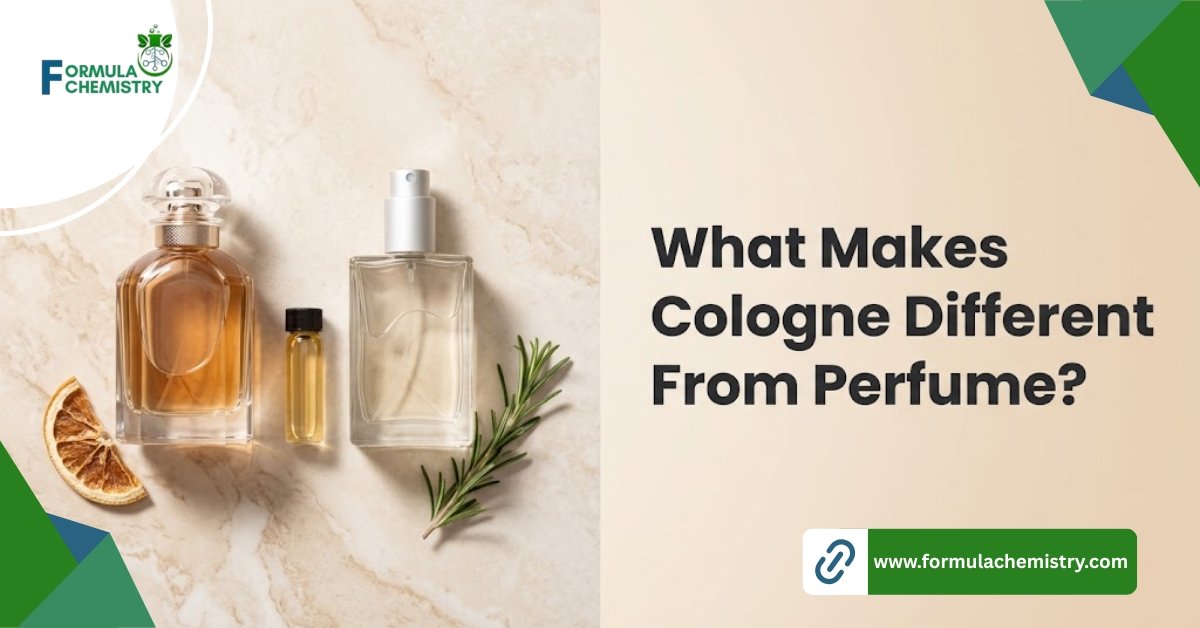
In everyday speech, especially in the US, “cologne” also means any fragrance marketed to men. This guide uses the technical meaning: a light, fresh, high alcohol format that anyone can wear.
| Feature | Eau de Cologne | Eau de Parfum |
| Aromatic concentration | 2 to 5% | 15 to 20% |
| Typical wear time | 1 to 2 hours | 4 to 6 hours |
| Structure | Top heavy citrus and herbs | Balanced top, heart, and base |
| Water content | 10 to 20% | 0 to 5% |
| Application | Generous splash or spray | Two or three sprays |
| Maceration | About 2 weeks | 4 to 8 weeks |
For a richer, longer lasting fragrance with a full note pyramid, follow our main guide on how to make perfume. Cologne is a different product with different goals, not a weaker version of perfume.
Why is cologne built top heavy?
The first eau de cologne, created in Cologne in the early 1700s, was designed as a refreshing splash rather than a lasting scent. That purpose still shapes the structure today.
A classic cologne puts about 60% of its aromatic content in citrus and herbal top notes. The small heart and base exist mainly to soften the citrus and stretch its life from minutes to an hour or two.
Which Essential Oils Build a Classic Cologne?
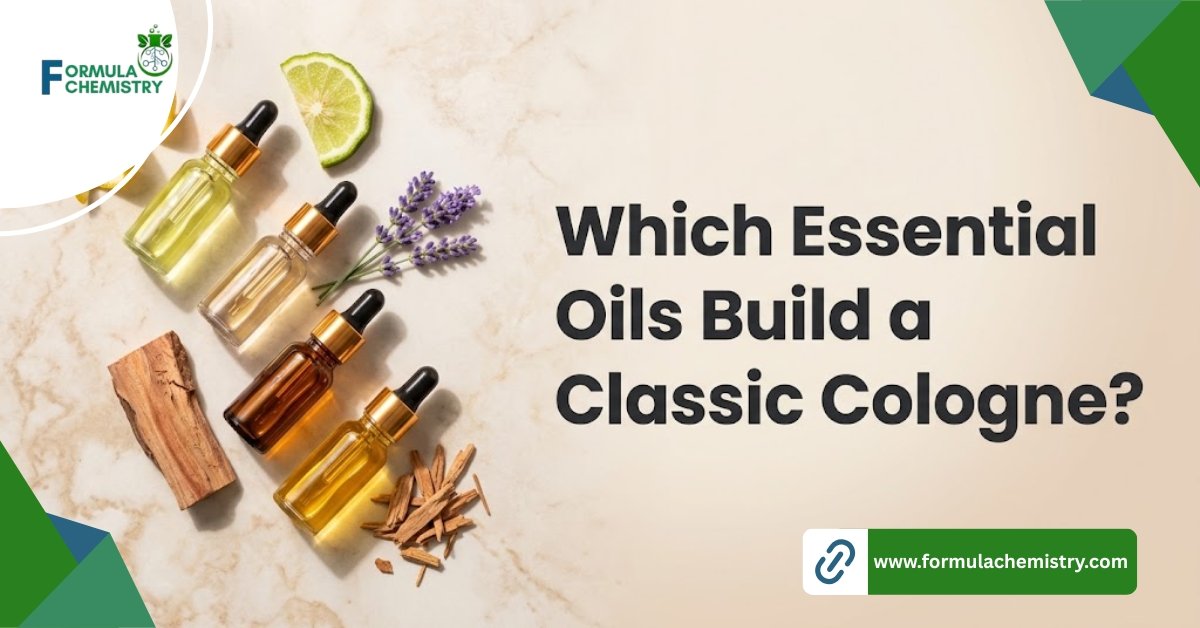
A traditional cologne relies on citrus peels, orange tree materials, and Mediterranean herbs. Each has a clear job in the structure.
| Common Name | INCI Name | CAS | Note | Role |
| Bergamot oil, bergapten free (FCF) | Citrus Aurantium Bergamia (Bergamot) Fruit Oil | 8007-75-8 | Top | Bright, floral citrus core |
| Lemon oil, distilled | Citrus Limon (Lemon) Peel Oil | 8008-56-8 | Top | Sharp, sparkling lift without phototoxicity |
| Mandarin oil | Citrus Nobilis (Mandarin Orange) Peel Oil | 8008-31-9 | Top | Sweet, juicy roundness |
| Rosemary oil | Rosmarinus Officinalis (Rosemary) Leaf Oil | 8000-25-7 | Top | Clean herbal freshness |
| Neroli oil | Citrus Aurantium Amara (Bitter Orange) Flower Oil | 8016-38-4 | Heart | Honeyed orange blossom |
| Petitgrain oil | Citrus Aurantium Amara (Bitter Orange) Leaf/Twig Oil | 8014-17-3 | Heart | Green, woody citrus bridge |
| Lavender oil | Lavandula Angustifolia (Lavender) Oil | 8000-28-0 | Heart | Soft aromatic floral |
| Atlas cedarwood oil | Cedrus Atlantica Bark Oil | 8000-27-9 | Base | Dry woody anchor |
| Vetiver oil | Vetiveria Zizanoides Root Oil | 8016-96-4 | Base | Earthy depth and fixation |
Lavandula Angustifolia (Lavender) Oil has been part of cologne since the eighteenth century and connects the citrus to the woods. Our profile of lavender essential oil explains how its linalool content keeps the heart soft rather than sharp.
Neroli and petitgrain both come from the bitter orange tree, from the flowers and the leaves respectively. Together they give cologne its signature fresh orange blossom character.
Why distilled lemon instead of cold pressed?
Cold pressed lemon oil contains furocoumarins that can cause phototoxic reactions on skin exposed to sunlight. Because cologne is splashed generously onto the neck and chest, that risk matters more here than in a perfume.
Distilled lemon oil loses those heavy molecules during distillation. It smells slightly thinner but is far safer for a product worn outdoors in summer.
Why Does Cologne Need So Much Water?
Water softens the sharp bite of high strength alcohol and makes a cologne feel cooling on the skin. It also lowers cost and slows evaporation slightly, which helps a light scent linger.
A final ethanol strength around 75 to 80% works best. Below about 70%, citrus oils start to separate, and the cologne turns permanently cloudy.
Use only distilled or deionized water. Tap water carries minerals and chlorine that cause haze, dull the citrus, and can encourage microbial growth over time.
How to Make Your Own Cologne: The Classic Citrus Formula
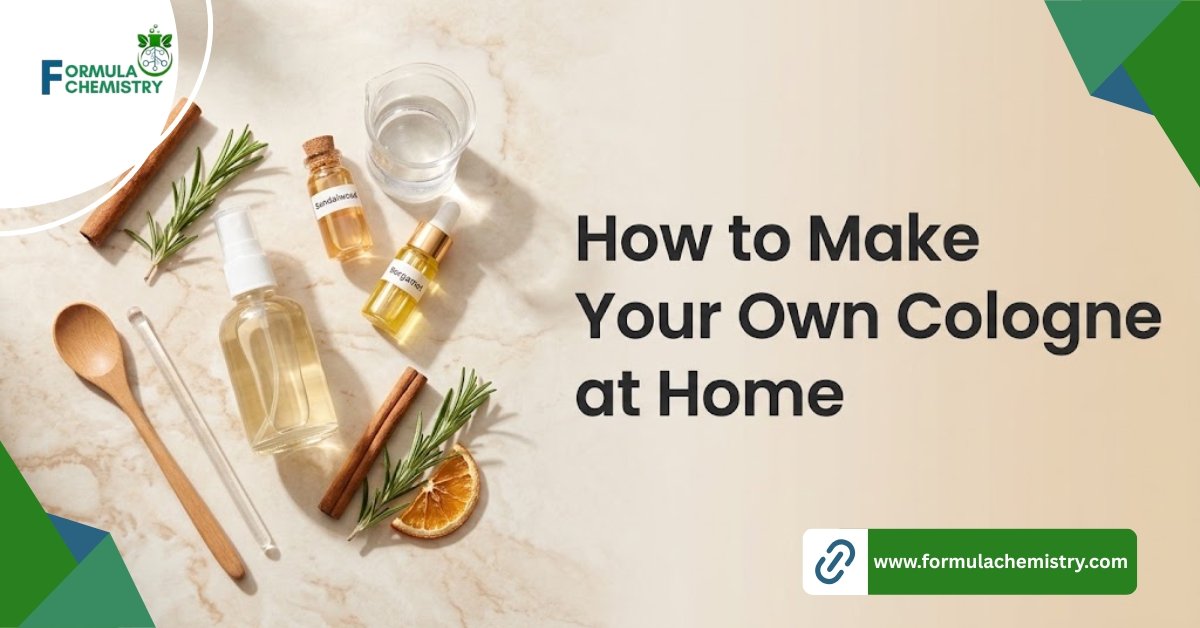
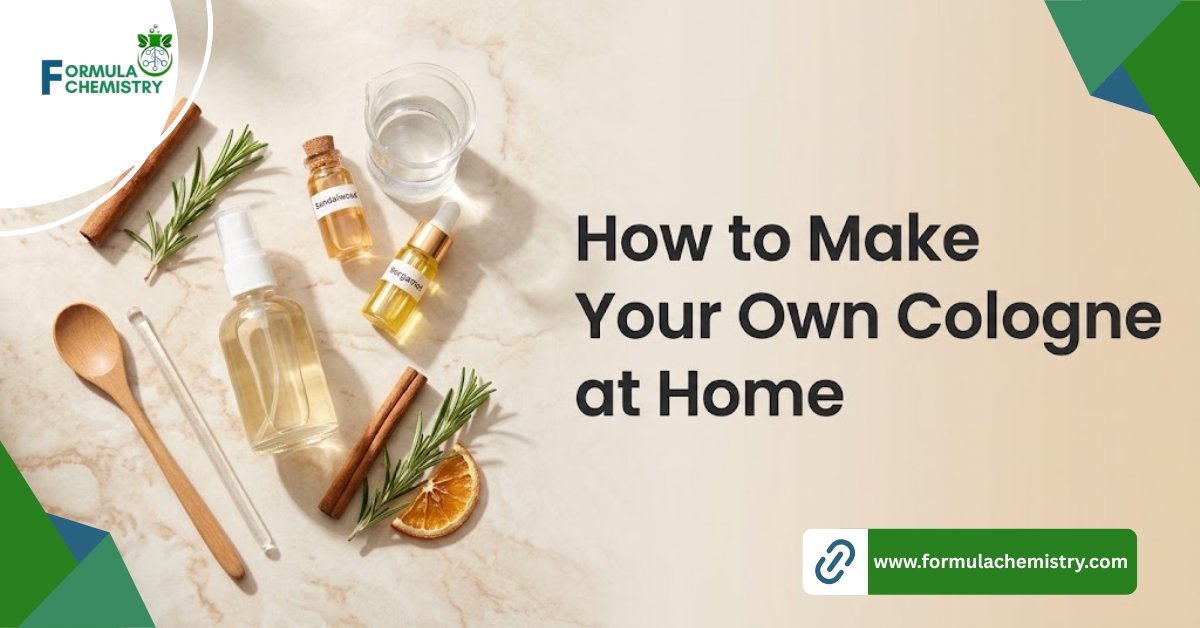
This formula produces a traditional eau de cologne: bergamot, lemon, and mandarin up front, neroli and lavender in the middle, and a quiet cedar and vetiver finish.
| Phase | INCI Name | Common Name | Percentage |
| A (Top) | Citrus Aurantium Bergamia (Bergamot) Fruit Oil | Bergamot oil FCF | 1.40% |
| A (Top) | Citrus Limon (Lemon) Peel Oil | Distilled lemon oil | 0.80% |
| A (Top) | Citrus Nobilis (Mandarin Orange) Peel Oil | Mandarin oil | 0.50% |
| A (Top) | Rosmarinus Officinalis (Rosemary) Leaf Oil | Rosemary oil | 0.30% |
| A (Heart) | Citrus Aurantium Amara (Bitter Orange) Flower Oil | Neroli oil | 0.20% |
| A (Heart) | Citrus Aurantium Amara (Bitter Orange) Leaf/Twig Oil | Petitgrain oil | 0.40% |
| A (Heart) | Lavandula Angustifolia (Lavender) Oil | Lavender oil | 0.60% |
| A (Base) | Cedrus Atlantica Bark Oil | Atlas cedarwood oil | 0.50% |
| A (Base) | Vetiveria Zizanoides Root Oil | Vetiver oil | 0.30% |
| B | Alcohol Denat. | Perfumer’s alcohol, 95% | 80.00% |
| C | Aqua | Distilled water | 15.00% |
| Total | 100.00% |
Phase A totals 5.00%, split into 3.00% top, 1.20% heart, and 0.80% base. Those figures equal 60%, 24%, and 16% of the concentrate, the classic top heavy cologne balance.
To scale, multiply each percentage by your batch weight and divide by 100. A 200 g batch uses 2.80 g bergamot, 1.60 g lemon, 1.00 g mandarin, 0.60 g rosemary, 0.40 g neroli, 0.80 g petitgrain, 1.20 g lavender, 1.00 g cedarwood, 0.60 g vetiver, 160.00 g alcohol, and 30.00 g water, for a total of 200.00 g.
With 95% alcohol at 80% of the formula, the final ethanol content lands near 76%. The finished cologne weighs roughly 0.86 g per mL, so 200 g fills about 230 mL; treat that density as an estimate and confirm it on your own scale.
Blending the Cologne From Oils to Bottle
Mixing takes about 20 minutes, and the cologne is ready to wear in about two and a half weeks. Work in a ventilated room away from any flame, because alcohol vapor ignites easily.
- Rinse all glassware with a little perfumer’s alcohol and let it air dry. Label the mixing bottle with the formula name and date.
- Weigh the cedarwood and vetiver into the bottle first, since vetiver is thick and needs time to dissolve.
- Add the lavender, petitgrain, and neroli, then the rosemary, mandarin, lemon, and bergamot last.
- Pour in all the alcohol, cap the bottle, and swirl for one minute until the oils fully dissolve.
- Add the distilled water in small portions of about 10% of the total water at a time, swirling after each one. A faint haze is normal at this stage; heavy milkiness means the water went in too fast.
- Seal the bottle and rest it in a dark cupboard at room temperature for 2 weeks, swirling gently every few days.
- Chill the sealed bottle at 2 to 5°C for 48 hours, then filter it cold through an unbleached coffee filter into a clean spray or splash bottle.
Colognes need chilling more than perfumes do. Citrus oils carry natural waxes, and the high water content forces those waxes out of solution as a visible haze.
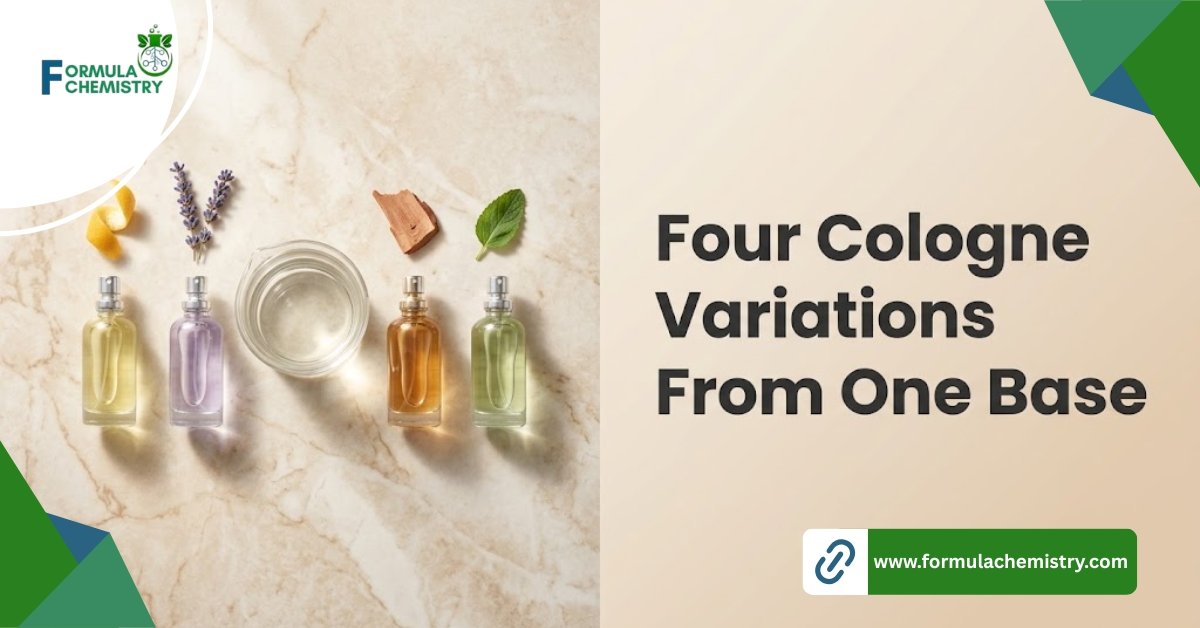
Four Cologne Variations From One Base
The same accord can shift toward lighter, stronger, or cheaper versions. Every column totals exactly 100.00%.
| INCI Name | Classic 5% | Light 2.5% | Intense 7.5% | Budget 5% |
| Citrus Aurantium Bergamia (Bergamot) Fruit Oil | 1.40% | 0.70% | 2.10% | 1.40% |
| Citrus Limon (Lemon) Peel Oil | 0.80% | 0.40% | 1.20% | 0.80% |
| Citrus Nobilis (Mandarin Orange) Peel Oil | 0.50% | 0.25% | 0.75% | 0.50% |
| Rosmarinus Officinalis (Rosemary) Leaf Oil | 0.30% | 0.15% | 0.45% | 0.30% |
| Citrus Aurantium Amara (Bitter Orange) Flower Oil | 0.20% | 0.10% | 0.30% | 0.00% |
| Citrus Aurantium Amara (Bitter Orange) Leaf/Twig Oil | 0.40% | 0.20% | 0.60% | 0.60% |
| Lavandula Angustifolia (Lavender) Oil | 0.60% | 0.30% | 0.90% | 0.60% |
| Cedrus Atlantica Bark Oil | 0.50% | 0.25% | 0.75% | 0.50% |
| Vetiveria Zizanoides Root Oil | 0.30% | 0.15% | 0.45% | 0.30% |
| Alcohol Denat. | 80.00% | 78.00% | 84.00% | 80.00% |
| Aqua | 15.00% | 19.50% | 8.50% | 15.00% |
| Total | 100.00% | 100.00% | 100.00% | 100.00% |
The Light version works as a body splash after a shower in hot weather. Intense sits at the border between cologne and eau de toilette, so it carries less water to keep the extra oil dissolved.
The Budget version removes neroli, the most expensive oil here, and raises petitgrain to cover it. Both come from the bitter orange tree, so the character shifts only slightly toward green.
How Should You Wear a Homemade Cologne?
Cologne is meant to be used generously and reapplied. Splash or spray it onto the neck, chest, and wrists after a shower, while the skin is still slightly warm.
Expect the scent to soften noticeably within an hour. Reapply at midday rather than overapplying in the morning, since heavy first doses only make the opening louder, not longer.
Clothing holds cologne longer than skin, because fabric fibers release the oils slowly. A light mist on a cotton collar can carry the scent into the afternoon, though you should test delicate fabrics first for marks.
Avoid spraying cologne onto freshly shaved skin. High alcohol content stings small cuts and can irritate the skin barrier right after shaving.
What if alcohol dries your skin?
Some people cannot tolerate daily alcohol splashes, especially in dry climates or with sensitive skin. An oil based scent solves that problem while keeping a similar citrus aromatic profile.
A carrier such as jojoba oil holds scent without drying the skin. The full method for roller blends is in our guide on how to make perfume oil, though citrus notes fade faster in oil than the other materials do.
Safety Points Specific to Citrus Colognes
Citrus heavy fragrances carry two particular risks: phototoxicity and oxidation. Both are easy to control with the right materials and storage.

Always use FCF bergamot and distilled lemon in a product worn in the sun. IFRA Standards restrict expressed citrus oils by product category; the 51st Amendment was current at the time of writing, so confirm the latest limits before selling.
Oxidized limonene is a known skin sensitizer. Fresh citrus oils and cool, dark storage keep that risk low, while old or badly stored citrus increases it.
Colognes contain declarable fragrance allergens such as limonene, linalool, citral, and geraniol. Anyone selling cologne must check current allergen labeling rules for their market.
Seven Mistakes That Flatten a Cologne
Each of these turns a bright citrus splash into something dull or irritating. The fixes are simple once you understand the cause.
Using old citrus oils
Citrus oils oxidize faster than almost any other essential oil. A bottle opened a year ago may smell flat, bitter, or like turpentine.
Buy citrus oils in small bottles and replace them within 6 to 12 months of opening. Smell each one on a blotter before it enters a formula.
Choosing cold pressed lemon for skin
Cold pressed lemon is cheaper and easier to find. It contains furocoumarins that can cause dark patches or blisters on sun exposed skin.
Use distilled lemon oil for any cologne. Keep cold pressed lemon for rinse off products only.
Adding water all at once
Pouring in all the water saves a minute. It shocks the oils out of solution, and the resulting cloudiness may never fully clear.
Add the water in small portions and swirl between each one. Patience at this step decides whether the cologne ends up clear.
Using tap water
Tap water seems harmless in small amounts. Its minerals and chlorine create haze and dull the citrus notes over time.
Use only distilled or deionized water. Both cost very little and remove a common source of failure.
Overloading base notes
Heavier bases seem like a way to make cologne last longer. Above about 20% of the concentrate, they weigh down the citrus and turn the scent muddy.
Keep base notes near 15% of the concentrate. If you want more longevity, move up to the Intense version or make a perfume instead.
Letting alcohol fall below 70%
Adding extra water to soften the scent sounds harmless. Once ethanol drops below about 70%, citrus oils separate and the cologne stays cloudy.
Keep alcohol at 78% or more of the formula when using 95% perfumer’s alcohol. Record every change so you know the final strength.
Storing cologne in a warm bathroom
The bathroom is where most people use cologne. Heat and humidity speed citrus oxidation and make the scent fade within months.
Store the main bottle in a cool, dark cupboard or even the refrigerator. Keep only a small travel bottle in the bathroom.
When a Cologne Batch Goes Wrong
Most problems show up during the rest period or the first weeks of use. The table maps each symptom to its likely cause and correction.
| Problem | Likely Cause | Fix |
| Milky right after adding water | Water added too quickly | Add perfumer’s alcohol in 5 g steps until clear, then record the new totals |
| Fine haze after resting | Citrus waxes separating | Chill at 2 to 5°C for 48 hours and filter cold |
| Smells like cleaning spray | Too much lemon or oxidized citrus | Use fresh oils and reduce lemon relative to bergamot |
| Gone within 20 minutes | Base notes too low or concentration too light | Move to the Classic or Intense version |
| Muddy or heavy scent | Too much vetiver or cedarwood | Cut vetiver first, since it dominates quickly |
| Stings after shaving | High alcohol on broken skin | Apply to the chest and wrists instead of the face |
| Skin redness in sunlight | Phototoxic citrus | Stop use and confirm bergamot was FCF and lemon was distilled |
Adding alcohol to rescue a cloudy batch changes every percentage. Recalculate the formula from the new total weight so your records stay accurate.
How Long Does Homemade Cologne Last in the Bottle?
A citrus cologne usually stays at its best for 6 to 12 months. That is shorter than a perfume, because citrus oils make up most of its aromatic content.
Refrigeration suits cologne well, since neither alcohol nor water freezes at fridge temperatures. A chilled cologne also feels especially refreshing on hot days.
Replace any cologne that smells bitter, flat, or sharply resinous. Those changes signal oxidized citrus, which also raises the risk of skin irritation.
Who Should Make Cologne First?
Cologne is often the best first fragrance project for beginners. It uses fewer and cheaper materials than perfume, and mistakes cost less.
Good candidates include:
- Beginners who want a simple first alcohol fragrance with a short aging time
- Anyone living in a hot climate who finds heavier perfumes overwhelming
- People who prefer a fresh scent they can reapply freely through the day
These people should take extra care:
- Anyone with a fragrance allergy or history of contact dermatitis
- People with very dry skin or eczema, who may tolerate an oil based scent better
- Anyone spending long hours in strong sun, who must use only phototoxicity safe citrus
- Children, who should not use alcohol based fragrances
Always conduct a 48-hour patch test with any new formula before wider use.
Cologne Making FAQ
Is cologne weaker than perfume?
Yes, cologne contains 2 to 5% aromatic oils, while an eau de parfum contains 15 to 20%. It wears lighter and fades sooner. That lightness is intentional. Cologne is designed to refresh, not to last all day.
How long does homemade cologne last?
A classic 5% cologne usually lasts 1 to 2 hours on skin. Citrus notes fade first, leaving a soft lavender and wood trace. Reapplying at midday keeps it noticeable. The Intense version adds another hour or so.
What alcohol is best for cologne?
Perfumer’s alcohol at 95% or higher works best. It dissolves the oils fully and leaves no odor of its own.
Avoid rubbing alcohol, which smells medicinal. Drinking spirits contain too much water for a clear result.
Why does my cologne turn cloudy?
Cloudiness usually means the water went in too fast or the alcohol level dropped below about 70%. Citrus waxes can also cause a lighter haze. Chilling and cold filtering removes wax haze. Heavy cloudiness needs extra alcohol to clear.
Can women wear cologne?
Yes, cologne in the classic sense is a unisex format. Its citrus, neroli, and lavender profile has no gender.
The link between cologne and men comes mainly from marketing. Anyone who enjoys fresh scents can wear it.
Can I use cologne as an aftershave?
A high alcohol cologne stings freshly shaved skin and can irritate it. Apply it to the chest or wrists instead.
A dedicated aftershave usually contains less alcohol and soothing ingredients. Treat the two as separate products.
Should I keep cologne in the fridge?
Refrigeration slows citrus oxidation and extends shelf life. It also makes the cologne feel cooling when applied.
Neither alcohol nor water freezes at fridge temperatures. Seal the bottle tightly to keep food odors out.
How many essential oils go into cologne?
A classic cologne uses 5 to 10 materials, and this formula uses nine. More materials do not make a better cologne. Clarity matters most in this format. Each oil should have a clear role in the citrus, heart, or base.
A Fresh Scent You Can Refine Every Summer
Learning how to make your own cologne well rests on fresh citrus, slow water addition, a cold filter, and a light hand with the base. Those four habits separate a bright splash from a flat one.
Formula Chemistry treats even the simplest fragrance as a formulation with measurable choices. Mix a 200 g batch of the Classic version this week, chill it after two weeks, and keep a small bottle in the fridge for the hottest days of the year.