
Introduction
1,3-Propanediol is a high-purity, bio-based solvent and humectant that has established itself as a staple in modern cosmetic science. Derived typically from the fermentation of corn sugar, it functions as an eco-friendly alternative to petroleum-based glycols like propylene glycol.
At FormulaChemistry, we recognize this ingredient for its multifunctional profile, acting as an emollient, preservative booster, and sensory enhancer.
Quick Facts
- What it is: A natural, biodegradable glycol used as a humectant and solvent.
- Who it’s for: Suitable for all skin types, especially people seeking “clean” or petroleum-free formulations.
- How to use: Incorporate into the water phase of skincare, haircare, or color cosmetic formulas.
- Typical usage range: 1% to 10% for most leave-on and rinse-off applications.
- Solubility: Fully water-soluble; can also help dissolve active powders like ferulic acid.
- pH/Compatibility: Stable across a wide range (pH 2.0 to 12.0); compatible with most surfactant systems and emulsifiers.
- Common mistake: Using it as a standalone preservative; it is a booster, not a broad-spectrum replacement.
- Safety note: Generally non-irritating, but high concentrations in sensitive individuals should be monitored.
Chemical Profile and Sourcing
The molecular structure of 1,3-propanediol allows it to bind water efficiently to the stratum corneum. Unlike its isomer 1,2-propanediol (propylene glycol), the 1,3-structure is commonly seen as less sensitizing and provides a lighter, non-sticky skin feel.
FormulaChemistry provides practical formulation education and safety-forward guidance to help developers deal with these chemical nuances.
What are the Main Advantages of 1,3-Propanediol in Formulations?
Enhanced Skin Hydration and Sensory Feel
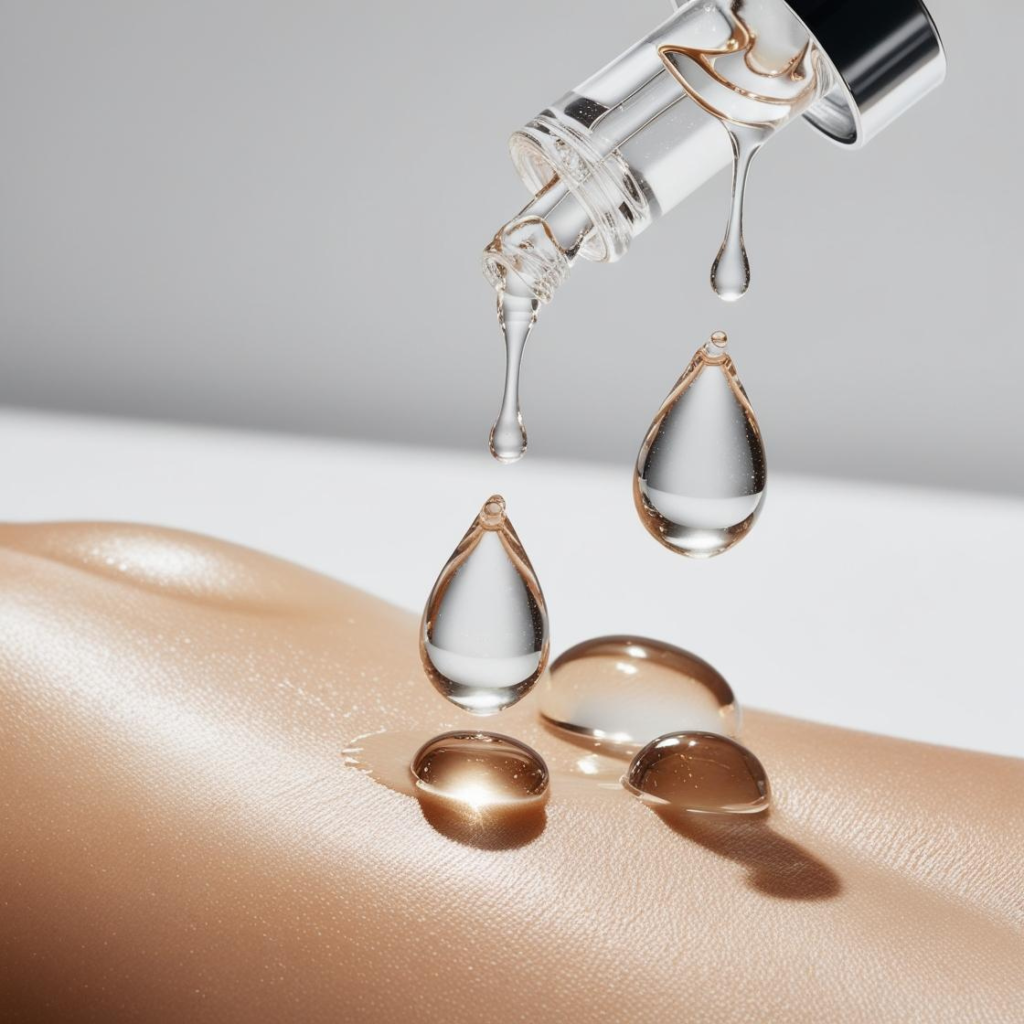
As a humectant, 1,3-propanediol draws moisture into the skin, reducing transepidermal water loss (TEWL).
It stands out in the lab because it lacks the “tackiness” associated with glycerin or the potential warmth/stinging sometimes felt with propylene glycol. When used at 2% to 5%, it imparts a smooth, dewy finish to serums and lotions.
In haircare, it improves the “slip” of conditioners and helps prevent breakage by keeping the moisture balance of the hair shaft.
It is especially effective in “waterless” or low-water concentrates where a liquid carrier is required without the bulk of heavy oils.
Solvent Characteristics and Preservative Boosting
Beyond hydration, 1,3-propanediol is an exceptional solvent for botanical extracts and difficult-to-dissolve actives like salicylic acid. It creates a clear, stable solution that resists crystallization.
Furthermore, it exhibits synergistic effects with traditional preservatives, allowing formulators to lower the total percentage of biocides needed to pass challenge testing.
- Common problems and fixes:
- Problem: Formula feels too thin when replacing glycerin. Fix: Add a rheology modifier like Xanthan Gum (0.2%) to regain viscosity.
- Problem: Active ingredients precipitating out of solution. Fix: Increase 1,3-propanediol to 10% to 15% to act as a cosolvent before adding the water phase.
- Problem: High levels cause a slight thinning of emulsions. Fix: Increase the percentage of fatty alcohols (e.g., Cetyl Alcohol) by 0.5% to 1% for stability.
Range Across Skin and Hair Care Categories
Application in Leave-on Serums and Creams
In high-performance serums, 1,3-propanediol acts as a penetration enhancer, helping water-soluble actives reach the deeper layers of the epidermis.
Because it is heat-stable, it can be added to the heated water phase during the emulsification process of creams and lotions without losing efficacy. It is often used to create “oil-free” hydrators that feel substantially more premium than basic water-based gels.
| Application Type | Recommended Usage | Benefit |
| Facial Serums | 3% – 8% | Improved active delivery and non-tack finish |
| Body Lotions | 2% – 5% | Long-lasting hydration and spreadability |
| Shampoo/Conditioner | 1% – 3% | Scalp comfort and hair softness |
| Clear Cleansers | 2% – 10% | Reduces surfactant-induced dryness |
| Botanical Extracts | 10% – 50% | Acts as a carrier solvent (menstruum) |
Role in Scalp Care and Hair Conditioning
For haircare, 1,3-propanediol addresses the common issue of “build-up.” Unlike silicones, it is easily washed away while leaving the hair hydrated.
It is increasingly found in scalp treatments to soothe dryness and irritation. Formula Chemistry suggests pairing it with panthenol for a comprehensive moisture-boosting complex in leave-in conditioners.
Formulation Best Practices and Safety Issues
Stability, pH Notes, and Compatibility
One of the greatest strengths of 1,3-propanediol is its toughness. It remains stable at a pH as low as 2.0 and as high as 12.0, rendering it ideal for everything from acidic chemical peels to alkaline hair relaxers.
It does not undergo hydrolysis and is not prone to oxidation, assuring a long shelf life for the finished product.
When working with this ingredient, it is important to remember that while it helps with preservation, it does not replace it.
Always include a broad-spectrum preservative in any formula containing water or 1,3-propanediol. While the ingredient itself has a low microbial risk, the water it attracts is a breeding ground for bacteria and mold.
Safety Guidance and Who Should Avoid
While 1,3-propanediol is widely considered safe and is ECOCERT/COSMOS approved, formulation integrity depends on proper testing.
Patch testing is recommended for any new DIY or professional formulation to ensure the specific combination of ingredients does not cause contact dermatitis.
- Key warnings:
- For external use only. Do not apply undiluted directly to broken skin.
- Who should avoid:
- Individuals with a known hypersensitivity to glycols should exercise caution, though 1,3-propanediol is generally a safer alternative for those sensitive to propylene glycol.
- When not to use:
- Avoid using in concentrations exceeding 20% in leave-on facial products unless specifically required for solvent purposes, as it may cause a slight warming sensation or mild irritation in rare cases.
At FormulaChemistry, our editorial team verifies that all ingredient profiles reflect current industry standards regarding safety and performance. As a neutral educational resource, we advocate for the responsible use of all cosmetic chemicals via diligent research and testing.
FAQs about 1,3-Propanediol: The Versatile Hydrator for Skin & Hair
Is 1,3-propanediol the same as propylene glycol?
No. While they are both glycols, 1,3-propanediol is typically bio-based (from corn) and has a different molecular structure that results in a lighter skin feel and lower irritation potential.
Can I use 1,3-propanediol to replace glycerin?
Yes, it can replace glycerin if you want a less sticky finish. However, you may need to adjust your thickeners, as glycerin provides more “body” to a formula than the thinner propanediol.
Is this ingredient considered “natural”?
Yes, most 1,3-propanediol used in cosmetics is derived from the fermentation of plant sugars, making it a popular option for brands following “natural” or “green” standards.
Does 1,3-propanediol cause acne?
It is considered non-comedogenic. Its liquid, water-soluble nature means it does not clog pores, constituting it an excellent hydrator for oily and acne-prone skin types.
Can it be used in “waterless” formulations?
Absolutely. It is a frequent choice for anhydrous (water-free) serums that require a liquid base to carry antioxidants or oil-soluble vitamins without using traditional oils.
What is the maximum safe usage rate?
While it has been tested at high levels, the standard usage range is 1% to 10%. Using more than 15-20% in a leave-on product is rarely necessary and may affect the formula’s texture.
How do I add it to my DIY lotion?
Simply weigh the 1,3-propanediol and add it to your water phase (the phase containing water and other water-soluble ingredients) before heating and emulsifying.
Does it help with preservative efficacy?
Yes. It acts as a “potentiator” or booster, meaning it can make your existing preservative system work more effectively against microbes through disrupting their cell membranes.