

By Dr. SamiUllah, PhD, Lead Formulator, Formula Chemistry
Quick Answer: A complete list of soap making ingredients covers four categories: oils and butters for the fatty acid base, sodium hydroxide for saponification, water or a liquid alternative to dissolve the lye, and optional additives like fragrance, colorants, and botanicals.
Beyond ingredients, a working setup also needs a gram-accurate digital scale, heat-safe mixing containers, a stick blender, and a dedicated soap mold, none of which should ever cross back into food use once exposed to lye.
Introduction
Gathering soap making ingredients for the first time is easy to get wrong in small ways that only show up once you are mid-batch. A missing scale, an unverified oil, or fragrance that was never checked for soap safety can derail an otherwise solid recipe.
This checklist walks through every ingredient category and every piece of equipment worth having on hand before your first pour. If you have not made a batch yet, pair this with our beginner’s guide to homemade soap for the full process alongside this shopping list.
The Four Ingredient Categories Every Recipe Needs
Every cold process recipe, regardless of how simple or complex, draws from the same four ingredient categories. Understanding what each category does makes shopping for supplies far less overwhelming.
Oils and butters supply the fatty acids that become soap. Sodium hydroxide drives the chemical reaction, water carries the lye into solution, and additives shape scent, color, and texture without contributing to the core chemistry.
Oils and Butters: Building the Base
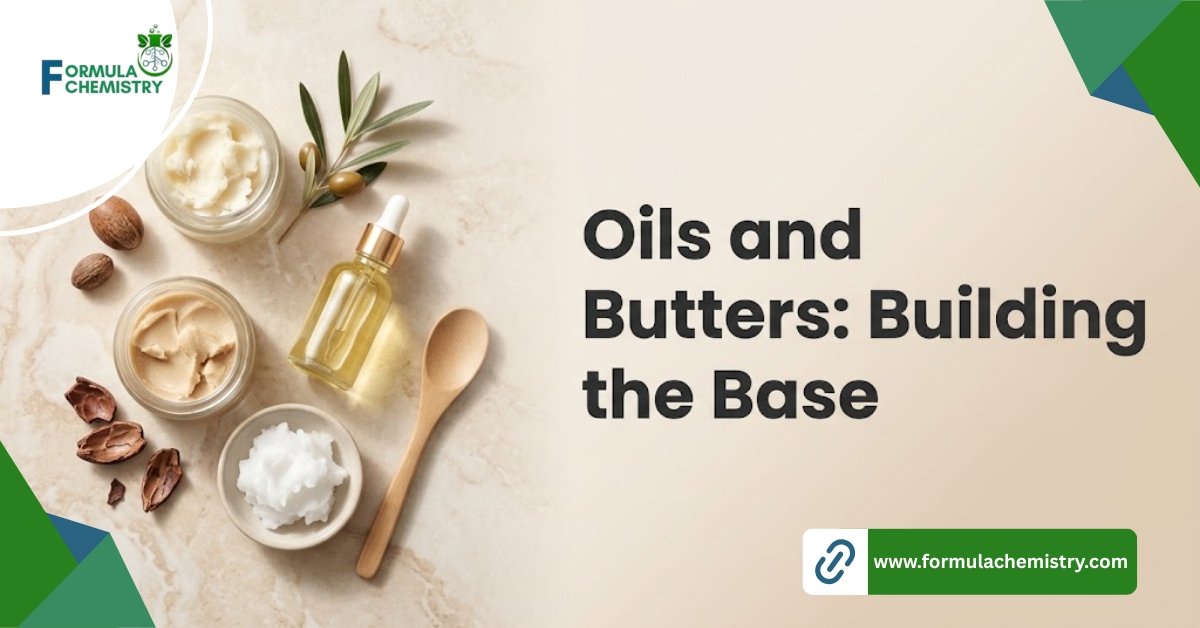
Oils and butters make up 90 to 95 percent of most recipes by weight, so their quality and freshness matter more than any other ingredient. Rancid oil produces a bar with a shortened shelf life and an off scent that no fragrance oil can fully mask.
| Oil / Butter | Typical Role | Usage Range |
| Coconut Oil | Hardness, cleansing, bubbly lather | 15 to 30% |
| Olive Oil | Conditioning, creamy lather | 20 to 80% |
| Palm Oil or Palm Alternative | Hardness, stable lather | 15 to 25% |
| Shea or Cocoa Butter | Hardness, skin conditioning | 5 to 15% |
| Castor Oil | Lather stability boost | 3 to 10% |
| Sunflower or Sweet Almond Oil | Conditioning, mild texture | 5 to 20% |
Buy oils in quantities you will use within six months to a year, since even shelf-stable oils like coconut oil eventually oxidize. If you are ready to move beyond a standard blend and calculate your own oil ratios by hand, our guide on how to make soap from scratch covers that process in full.
Specialty Oils Worth Adding Later
Once a core blend of three to five oils feels reliable, specialty oils let you fine-tune specific qualities without overhauling the whole recipe. Hemp seed oil and rice bran oil both add mild conditioning at a lower cost than more exotic options, while avocado oil brings a richer, heavier skin feel in small percentages.
Babassu oil functions as a near drop-in replacement for coconut oil with slightly gentler cleansing, which makes it useful for sensitive-skin formulas. None of these are essential for a first batch, but they are worth understanding before you expand a starter shelf.
Mango butter and cocoa butter both add hardness similarly to shea butter but carry slightly different scent profiles worth sampling before committing to a full batch.
Keeping small trial quantities of two or three specialty oils on hand lets you test their effect on a half-size batch before scaling any of them into a regular recipe.
Storage Guidelines for Oils and Butters
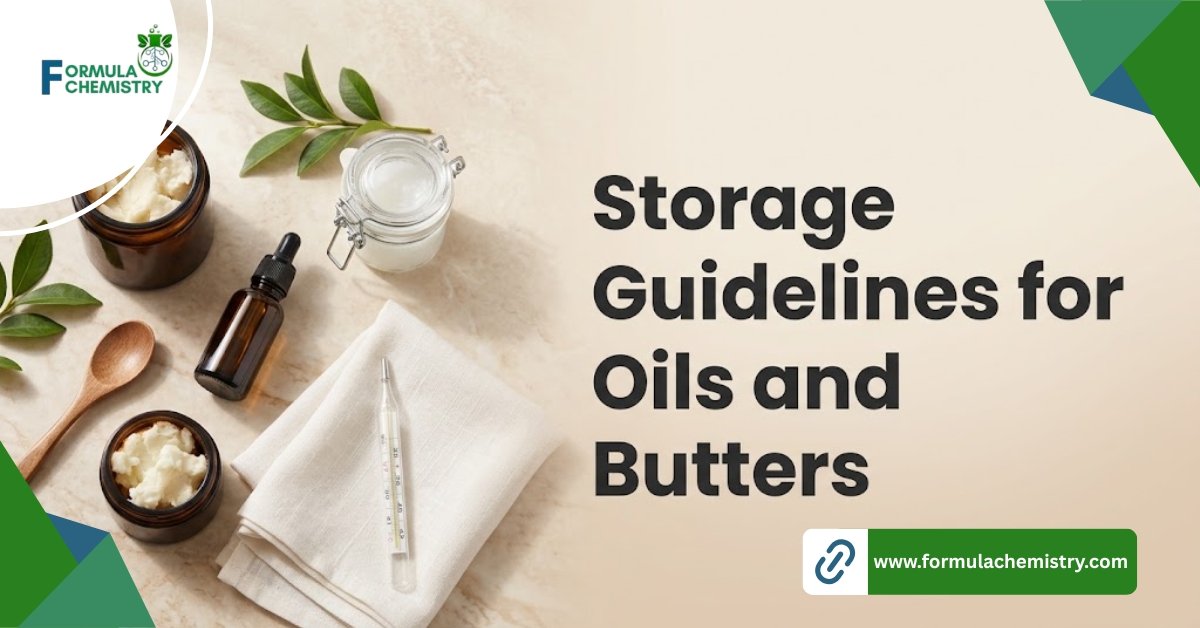
Store liquid oils in a cool, dark cabinet away from direct sunlight, since UV exposure accelerates oxidation and shortens shelf life. Butters like shea and cocoa are more stable at room temperature but still benefit from an airtight container to keep out moisture and odors from other stored items.
Lye should be kept in a location separate from oils and additives, ideally on its own shelf, to reduce any chance of cross-contamination or mix-up during a busy formulating session.
Label every container with its purchase date, since it is easy to lose track of how long an oil has been open once several are in rotation. An oil that smells even slightly sharp or crayon-like should be discarded rather than used, since rancid oil cannot be corrected once it has turned.
Sodium Hydroxide and Lye Handling Essentials
Sodium hydroxide should be purchased at 99 percent purity or higher, sold specifically for soap making rather than industrial drain cleaner, which can contain additives unsuitable for skin contact.
It should be stored in an airtight container away from moisture, since NaOH absorbs humidity from the air and clumps over time.
Alongside the lye itself, budget for nitrile gloves, safety goggles, and a long-sleeve layer dedicated to soap making sessions. These are not optional accessories, they are the minimum barrier between your skin and a caustic solution during mixing.
Water and Liquid Alternatives
Distilled water is the standard liquid for dissolving lye, chosen specifically to avoid the mineral variability found in tap water. Keep a dedicated supply on hand rather than purchasing it only when a batch is planned, since running short mid-recipe is a common and avoidable interruption.
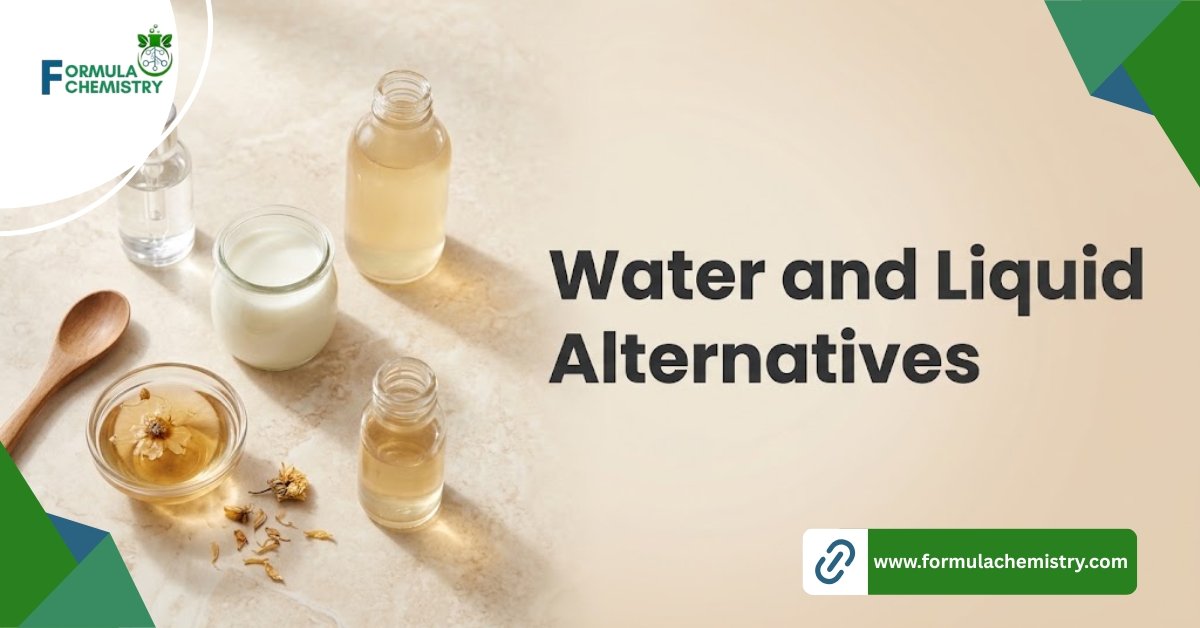
Some formulators substitute goat milk, coconut milk, or brewed botanical teas for part of the water content. These substitutions require extra care to avoid scorching sugars during lye mixing, so they are worth trying only after a few standard batches under your belt.
Keep at least one gallon of distilled water on hand per planned batch, since running out mid-mix means pausing a time-sensitive process to make a store trip. Distilled water is inexpensive and shelf-stable indefinitely when sealed, so overstocking it carries essentially no downside.
Fragrance, Color, and Botanical Additives
Fragrance oils and essential oils intended for soap must be checked against a usage chart, since some accelerate trace dramatically or discolor over time. A small stock of two or three reliable, soap-safe fragrances is more useful early on than a large untested collection.
Colorants worth stocking include micas formulated specifically for cold process soap, activated charcoal, and clays like kaolin or French green clay. Botanical additives such as ground oats, poppy seeds, or dried lavender buds add texture and visual interest at low usage rates.
If your ingredient list is heading toward a liquid product rather than a bar, gentle surfactants like coco glucoside become the relevant additive category instead of lye and oils. Our guide to formulating a body wash covers that separate ingredient list in detail.
Equipment and Supplies Checklist
Beyond raw ingredients, a functional setup depends on a specific set of tools that should never be shared with food preparation once used with lye.
- Digital scale accurate to 1 gram, for both oils and lye, since volume measurements are unreliable for a chemical reaction
- Two or more heat-safe mixing containers, one dedicated permanently to the lye solution
- Stick blender for reaching trace efficiently rather than hand-stirring for an hour
- Infrared or digital thermometer to confirm working temperatures before combining oils and lye
- Silicone-lined or dedicated soap mold in whatever shape suits your batch size
- Bar cutter or a sharp, dedicated knife for clean, even bars once the soap has firmed
- Curing rack with airflow on all sides to support the four to six week cure
- Nitrile gloves and safety goggles, non-negotiable for every batch regardless of experience level
A basic setup covering all of these items typically costs less than a single specialty skincare product, and every piece is reusable indefinitely once purchased.
Whether you plan to work in cold process or explore cold process versus hot process methods, this equipment list covers both approaches without modification.
Starter Kit vs Building Your Own Supply List
Pre-assembled soap making kits can be a reasonable entry point, since they remove the guesswork of sourcing individual items for a first batch. Their tradeoff is usually a fixed oil blend and a limited fragrance selection that does not scale well once you want to customize a recipe.
Building your own supply list from the categories above takes slightly more upfront research but gives full control over oil quality, fragrance selection, and long-term cost per batch.
Most formulators who plan to make more than two or three batches find that assembling their own supplies pays off within the first few months.
A hybrid approach also works well for many beginners: start with a kit for the first one or two batches to learn the process, then transition to sourcing oils and additives individually once you know which qualities you want in a finished bar.
This avoids overbuying specialty ingredients before you have a feel for what your recipes actually need.
Budgeting Your First Supply Order
A reasonable first order covers three to four core oils, soap-making-grade lye, distilled water, one tested fragrance oil, and the equipment list above, which typically lands in a modest one-time cost for most home setups.
Equipment is the larger upfront expense, while oils and lye become the recurring cost on every batch afterward.
Buying oils in mid-size quantities, rather than the smallest bottle available, usually lowers the cost per batch meaningfully without risking spoilage if you plan to make soap regularly.
Reserve larger bulk purchases for oils you already know you will use consistently, since an oil bought in bulk and left unused is a wasted expense rather than a savings.
Tracking cost per batch over your first several attempts also reveals which oils are worth buying in larger volume and which are better kept as small specialty purchases.
Fragrance and Additive Sourcing Notes
Sourcing fragrance oils specifically labeled for cold process soap, rather than general-purpose fragrance oils, avoids the guesswork of testing an unverified product against your recipe.
Reputable suppliers publish usage rate recommendations and flame point data alongside acceleration and discoloration notes for each scent.
Cross-checking a fragrance oil’s flash point against your working temperatures is a small step that prevents a genuinely unsafe combination during mixing.
Colorants intended for cosmetics, rather than craft or candle use, are formulated to remain stable through the pH swing of saponification. A mica or oxide pigment sold for candles may shift shade or fade entirely once exposed to the alkalinity of fresh soap batter.
Keep a small notebook or spreadsheet noting which fragrance and colorant combinations performed well in past batches. This single habit saves more repeat-purchase mistakes than any other organizational step in a growing supply list.
Mistakes People Make When Gathering Supplies
Buying lye that is not soap-making grade. Industrial or drain-cleaner-grade sodium hydroxide can contain additives that make it unsuitable for skin-contact products, so always confirm purity and intended use before purchasing.
Skipping a dedicated scale for small-batch precision. A kitchen scale that only measures in 5 gram increments is not accurate enough for lye calculations, particularly on smaller batches where a few grams shifts the superfat meaningfully.
Using expired or rancid oils to save money. Discounted oils nearing their expiration date often carry a shortened shelf life once turned into soap, undermining the value of the discount entirely.
Purchasing fragrance oils not tested for cold process use. Fragrances formulated for candles or diffusers can behave unpredictably in a high-pH environment and are not interchangeable with soap-safe fragrance oils.
Overbuying specialty additives before the basics are dialed in. Stocking a wide range of colorants and botanicals before mastering a simple, reliable base recipe often leads to wasted product and inconsistent early batches.
Reusing food equipment for lye work. Any container, spoon, or blender used with lye should be retired from food use permanently, since trace amounts of sodium hydroxide can remain even after washing.
Buying fragrance or colorant in bulk before testing a small batch first. A large purchase based on a scent description alone risks a full batch of unused product if the fragrance accelerates trace badly or the color shifts unexpectedly during cure.
Who This Checklist Suits
This list suits anyone assembling their first soap making setup, as well as established hobbyists auditing their supply shelf for gaps.
Formulators working toward more advanced custom recipes will find the oil and equipment sections most relevant, while beginners should pair this with our guide for beginner soap makers for full process context. Always conduct a 48-hour patch test with any new formula before wider use.
Frequently Asked Questions
What ingredients are essential for making soap?
The essentials are oils or fats, sodium hydroxide, water, and optional additives like fragrance or colorant. All four categories are needed for a standard cold process bar.
Do I need special equipment to start making soap?
Yes, a gram-accurate scale, heat-safe containers, a stick blender, and a dedicated mold are the minimum equipment needed. None of it should be reused for food afterward.
Can I use regular table salt lye substitutes?
No, sodium hydroxide sold specifically for soap making is required, and household drain cleaner or other substitutes are not safe or reliable for this use. Always confirm purity before purchasing.
How much does a basic soap making setup cost?
A functional starter setup, including scale, containers, mold, and safety gear, typically costs less than one specialty skincare product. Most equipment is reusable for years once purchased.
What is the shelf life of soap making oils?
Most oils remain usable for six months to a year once opened, though coconut and palm oil last somewhat longer due to their fatty acid stability. Buying smaller quantities more frequently keeps oils fresher.
Are all fragrance oils safe for cold process soap?
No, fragrance oils must be checked against a soap-safe usage chart, since some accelerate trace or cause discoloration. Fragrances made for candles are not automatically interchangeable.
Can I substitute water with milk or tea in a recipe?
Yes, though substitutions like milk require careful temperature control to avoid scorching sugars during lye mixing. These are best attempted after a few standard batches.
Is a stick blender necessary for soap making?
A stick blender is not strictly required but dramatically shortens the time needed to reach the trace. Hand-stirring to trace is possible but can take an hour or more.
Stocking a Setup That Lasts
A well-stocked soap making shelf is not about buying everything available, it is about covering all four ingredient categories with quality materials and pairing them with equipment that will not need replacing after a few batches.
Start with a short list of reliable oils, verified soap-safe fragrance, and the core equipment above before expanding into specialty additives.
Build your supply list around the recipes you actually plan to make rather than every possibility at once, and revisit it as your formulation skills grow. A supply shelf built this way stays useful for years rather than becoming a shelf of half-used experiments.