
Introduction
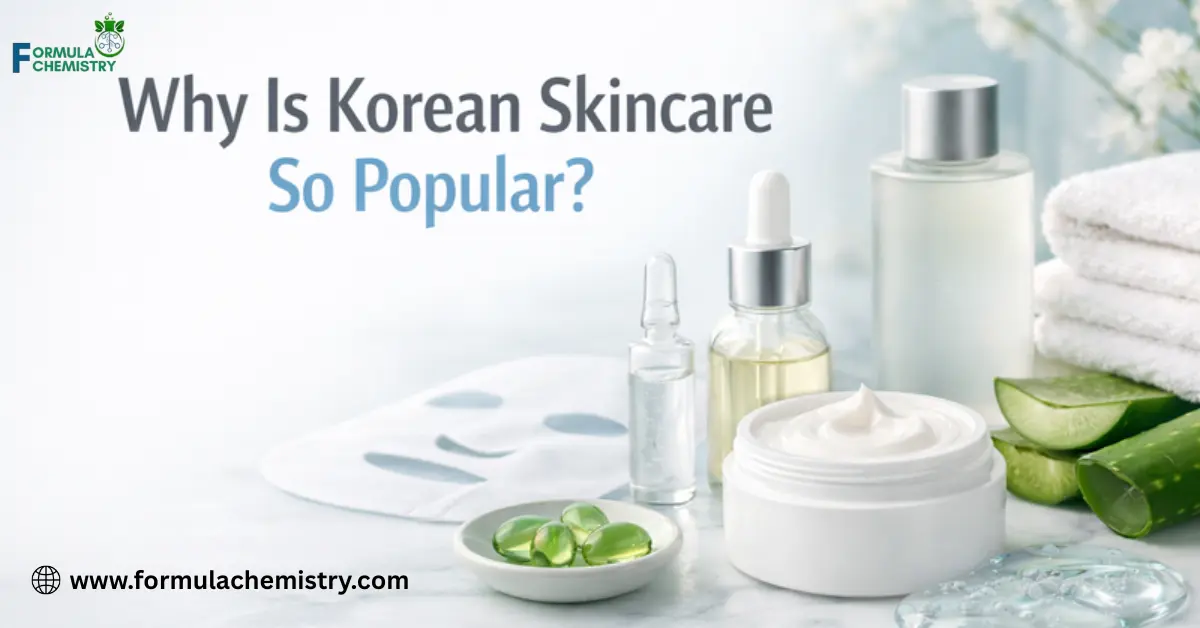
The worldwide obsession with Korean skincare, or K-beauty, has transformed from a niche trend into a fundamental change in how the world approaches dermatological health.
In contrast to traditional Western methods that frequently focus on aggressive “rescue and repair” for existing skin issues, the Korean philosophy focuses on prevention, hydration, and long-term barrier maintenance.
This cultural approach treats skincare as a ritual of self-care rather than a chore. By uniting innovative ingredients like snail mucin and fermented extracts with advanced delivery systems, Korean formulations offer high-performance results without the irritation commonly associated with high-strength clinical actives.
At Formula Chemistry, we provide practical formulation education and safety-forward guidance to help you steer through tcomplex worldwidelobal trends.
Quick Answer
- Preventative Philosophy: Focuses on stopping skproblems before theyhey start rather than just treating symptoms.
- Deep Hydration: Prioritizes moisture layering (the “Glass Skin” effect) to maintain a supple, youthful appearance.
- Gentle Formulations: Uses soothing botanicals to minimize the chance of irritation compared to harsh Western peels.
- Innovative Ingredients: Features unique bio-actives like Snail Mucin, Centella Asiatica (Cica), and Ginseng.
- Affordability: Highly competitive manufacturing in Korea keeps prices accessible despite premium performance.
- Customization: Encourages a “skin-first” approach where routines are customized to daily skin changes.Cutting-Edge Techch: Utilizes fermentation as well as encapsulation to enhance ingredient absorption.
- Sun Protection: Offers cosmetically elegant sunscreens that encourage daily, consistent use.
What Makes Korean Skincare Different from Western Beauty?
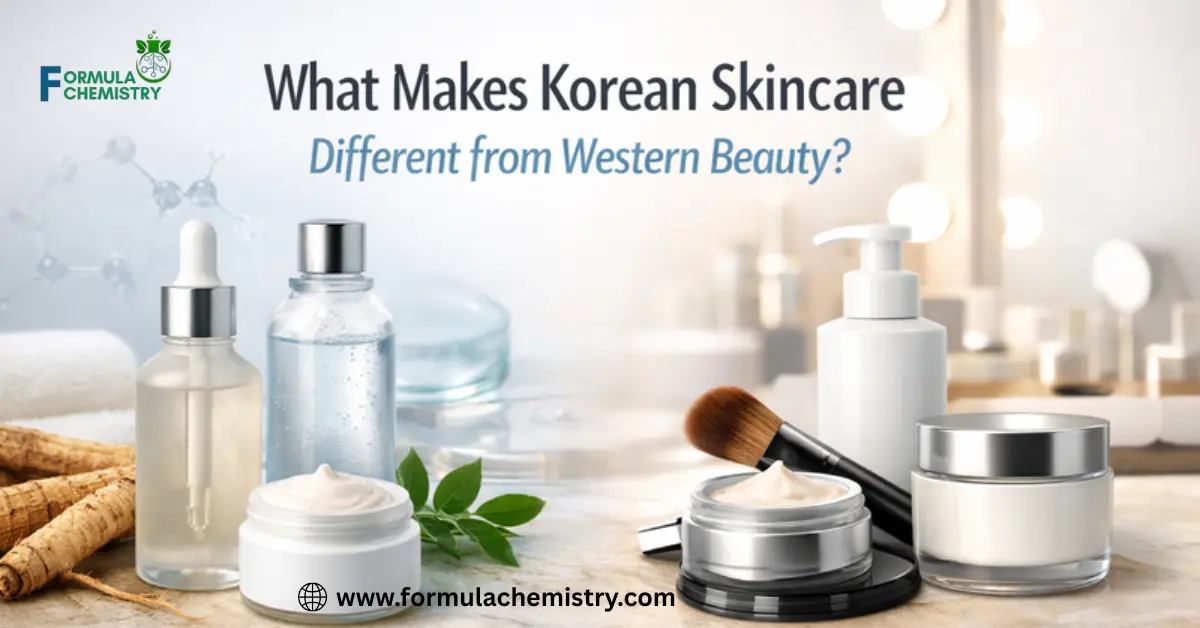
The pdistinction rests inlies in the basic objective of the product. Western skincare has historically leaned toward a pharmaceutical model, utilizing potent concentrations of Vitamin C, Retinoids, and Alpha Hydroxy Acids (AHAs) to “fix” visible problems like wrinkles or acne.
Even though effective, these can often lead to a compromised skin barrier if not used with extreme caution.
In contrast, Korean skincare emphasizes Skinimalism (in 2026) and barrier-first health. The goal is “Glass Skin” a complexion so hydrated and smooth it resembles a pane of glass. This is achieved through lightweight, watery layers that penetrate the dermis without suffocating it.
The Power of Ingredient Innovation
Korean cosmetic chemists are known for pioneering ingredients that eventually become global standards. By 2026, the focus has shifted toward PDRN (Salmon DNA fragments) for cellular renewal and Exosomes for hfor exactier repair.
These ingredients are often paired with fermented extracts. The fermentation process breaks down molecular structures, making the nutrients smaller and more “bioavailable” for the skin to absorb.
This techThis advanced technologicalows K-beauty products to deliver deep nutrition without needing a pH low enough to cause stinging or redness.
Comparison of Skincare Philosophies
| Feature | Korean Skincare (K-Beauty) | Western Skincare |
| Primary Goal | Prevention and Hydration | Correction and Treatment |
| Key Textures | Watery Essences, Gels, Milks | Rich Creams, Heavy Oils |
| Active Philosophy | Gentle, Layered Actives | High-Concentration Singles |
| Barrier Focus | High (Ceramides/Panthenol) | Moderate (often focuses on Exfoliation) |
| Sunscreen Feel | Lightweight, Serum-like | Historically Heavier/Greasy |
Why Do Korean Formulations Prioritize Barrier Health?
A healthy skin barrier is the “shield” that keeps moisture in and irritants out. Korean beauty philosophy posits that most skin issues including acne, sensitivity, and premature aging stem from a disrupted acid mantle.
Therefore, K-beauty products are typically formulated within a skin-friendly pH range of 5.0 to 6.0.
By maintaining this equilibrium, the skin is better equipped to heal itself. This is why you will find Ceramides, Cholesterol, and Fatty Acids in almost every Korean moisturizer, often in a 3:1:1 ratio which mimics the skin’s natural lipid structure.
Common Problems and Fixes
While K-beauty is gentle, users still encounter hurdles:
- The Problem: “Over-layering” Breakouts. Using a 10-step routine can sometimes clog pores (comedogenicity).
- The Fix: Transition to “Intelligent Minimalism.” Use multi-functional products like a toner-essence hybrid.
- The Problem: Active Overload. Mixing K-beauty’s fermented actives with Western Retinol can cause sensitivity.
- The Fix: Use Western actives at night and soothing K-beauty botanicals in the morning. Always patch test any new product on the inner forearm for 48 hours.
Safety and Preservation in Formulations
Since many Korean products are water-based (essences and toners), preservation is critical to prevent microbial growth. Formulators must ensure broad-spectrum protection against mold and bacteria.
If you are a DIY formulator or a brand owner, never skip the preservative phase in a water-rich formula. Additionally, those with fungal acne should avoid certain fermented ingredients like Galactomyces, as they may worsen the condition.
Explore Discovering Anua Skincare: A Journey to Calm, Balanced, and Healthy Skin and find your glow.
How Does Korean Beauty InflDrive Globalnds in 2026?
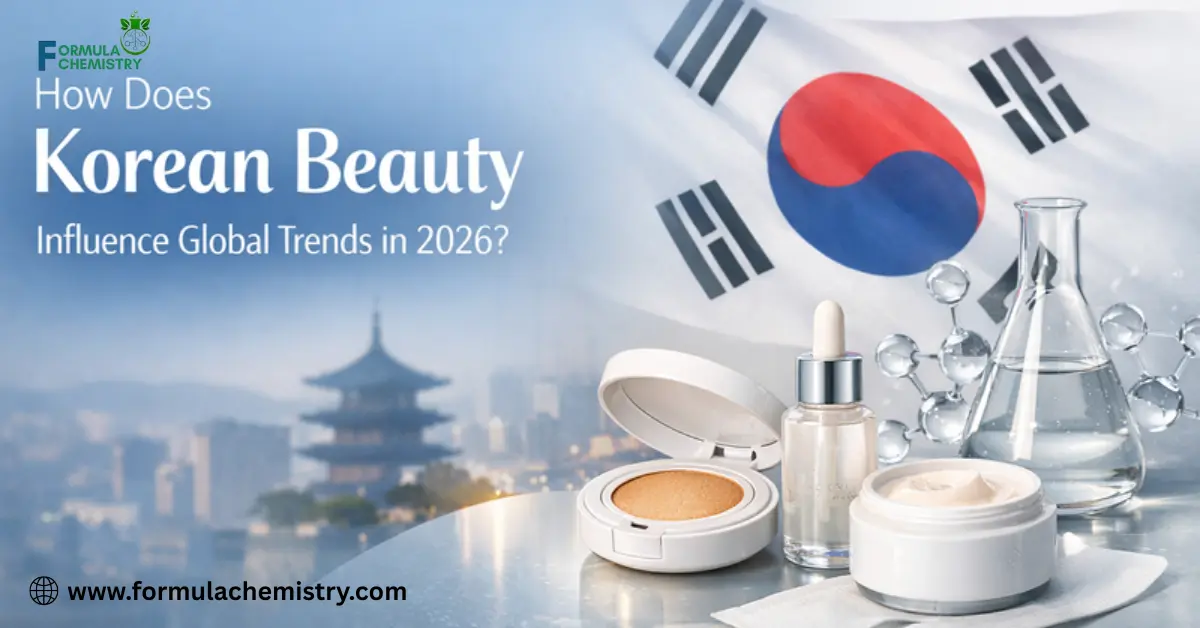
The “K-Wave” (Hallyu) has extegone well beyond music into the laboratory. In 2026, we see Western brands adopting “K-style” textures, such as milky toners and jelly cleansers.
This influence has forced the global market to to focus onosmetic elegance” the idea that a product must feel good to use, or the consumer won’t remain consistent.
Innovation in 2026 has also moved into Suncare. Korean sunscreens are the gold standard because they utapply advancedV filters (like Tinosorb S or Uvinul A Plus) that offer high protection with zero white cast.
This has redefined sunscreen from a “beach necessity” to a “daily beauty base.”
Traditional Wisdom Joins Modern Science
The use of Hanbang (traditional Korean herbal medicine) continues as pillar of the industry. Ingredients such as Ginseng, Mugwort, and Rice Water are processed using modern extraction methods to maximize their antioxidant potential.
Ginseng, for instance, is rich in ginsenosides which help increase oxygenation and circulation in the skin. When formulated at an usage rate of 2–5%, ginseng extract is able to significantly brighten a dull complexion.
Who Should Avoid Certain K-Beauty Trends?
- Highly Reactive Skin: Avoid products with high concentrations of essential oils or heavy fragrances sometimes found in “sensorial” K-beauty.
- Acne-Prone Skin: Be cautious with Snail Mucin if you have a dust mite allergy, as cross-reactivity can occur.
- When Not to Use: If your skin is currently “purgiirritated byaw from a chemical peel, avoid all exfoliants and fermented products until the barrier is restored with a simple ceramide cream.
Conclusion
The popularity of Korean skincis not simply aly a marketing triumph; it is a result of a sophisticated understanding of skin biology and consumer psychology.
By focusing on the barrier, delivering affordable luxury, and constantly innovating with bio-active ingredients, K-beauty has set a new global standard.
Whether you are a consumer or a formulator, adopting the “prevention-first” mindset is the most effective way to achieve a resilient, glowing complexion.
FAQs about Why Is Korean Skincare So Popular?
1. Is the 10-step Korean skincare routine still necessary in 2026?
No. The trend has shifted toward Skinimalism. Most experts now recommend 3–5 high-quality, multitasking steps that focus on cleansing, hydration, treatment, and protection.
2. What is the most popular Korean skincare ingredient right now?
In 2026, PDRN (Salmon DNA) and Exosomes have overtaken Snail Mucin as the most sought-after ingredients for their intensive skin-regenerating properties.
3. Are Korean sunscreens better than Western ones?
They are commonly preferred for daily wear because they use newer UV filters that allow for a lightweight, non-greasy finish, though Western “sport” sunscreens may offer better water resistance.
4. Can I use Korean skincare if I have sensitive skin?
Yes, K-beauty is generally designed for sensitivity. Look for Cica (Centella Asiatica) or Panthenol to soothe redness, but always patch test first.
5. Why is hydration so emphasized in K-Beauty?
Hydrated skin reflects light better (the “glow”), allows for better ingredient penetration, and retains the elasticity required to prevent fine lines.
6. Is Snail Mucin ethical?
Most reputable K-beauty brands harvest snail mucin by allowing snails to crawl over a mesh in a dark, quiet room, which is considered a non-harmful, stress-free process.
7. At what pH should I look for in a Korean cleanser?
Aim for a pH of 5.5. High-pH (alkaline) cleansers can strip the skin barrier and lead to dryness or breakouts.
8. Can I mix Korean and Western skincare products?
Yes. A common successful routine is using Western actives (like Retinol) for treatment and Korean products (like Essences) for hydration and barrier support.