
For many cosmetic formulators, maintaining a stable pH is the most challenging part of the production process. While Citric acid is the industry standard, learning How to Use Tartaric Acid as an alternative can give your formulas a more sophisticated buffering capacity.
Tartaric acid is a dicarboxylic acid, meaning it has two acidic protons available to react. This structure makes it exceptionally efficient at resisting pH changes over time.
Whether you are working with sensitive botanical extracts or high-performance actives, this grape-derived acid ensures your product remains safe and effective.
Why This Matters in Cosmetic Formulation
Stability is the hallmark of a professional product. Most skincare actives, such as certain preservatives and antioxidants, only function within a very narrow pH window (typically 4.5 to 5.5).
- Buffering Strength: Tartaric acid provides a stronger “buffer” than monocarboxylic acids, meaning it helps the formula resist shifts caused by temperature or ingredient interactions.
- Chelating Benefits: It helps neutralize trace metal ions in your water, which prevents your oils from going rancid.
- Formula Elegance: It offers a smoother skin feel compared to some synthetic pH adjusters, making it ideal for “clean beauty” branding.
Key Function of Tartaric Acid as a Buffer
When you learn How to Use Tartaric Acid, you are essentially learning how to control the “Free Acid” availability in your serum. It doesn’t just lower the pH; it holds it there.
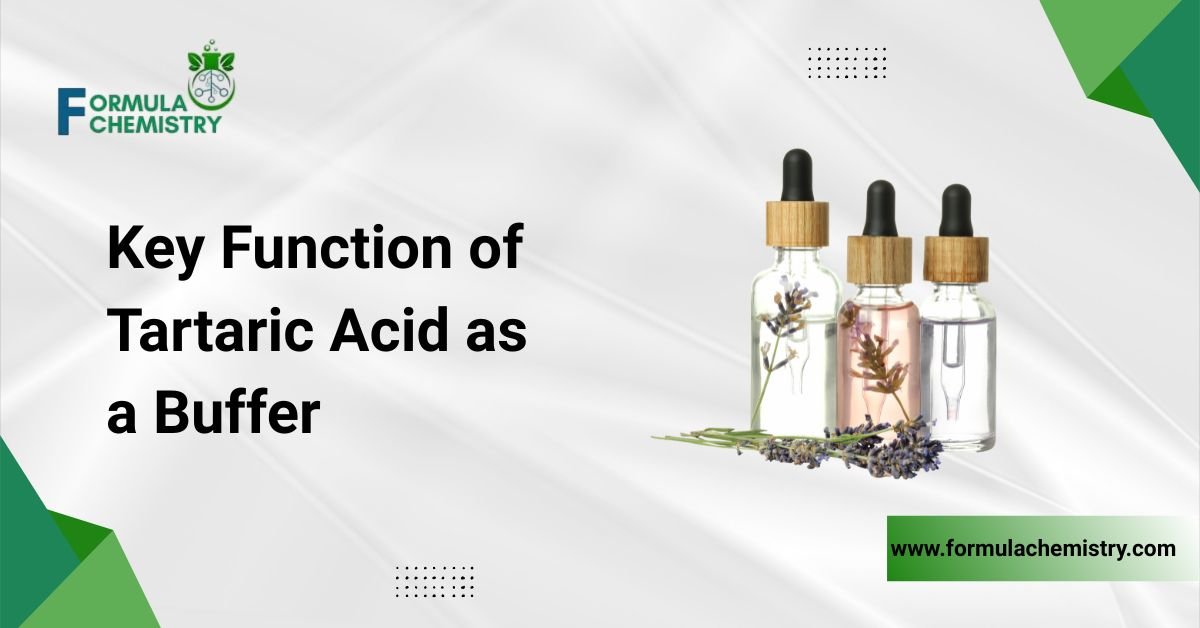
In complex formulas containing proteins or electrolytes, the pH can often “creep” upward during shelf life. Tartaric acid acts as a chemical anchor. It ensures that your preservative system stays active and your skin-peeling agents don’t become neutralized and useless before the customer even opens the bottle.
Technical Formulation Considerations for tartaric acid
Concentration of Stock Solution Never add dry Tartaric acid crystals directly to a finished cream. Instead, create a 10% solution (10g acid in 90g distilled water). This allows for much more precise control during the adjustment phase.
Ideal pH Targets For standard emulsions (lotions), aim for a pH of 5.0 to 5.5. For exfoliating toners, you will likely target a lower range of 3.5 to 4.0. Tartaric acid is efficient at reaching both targets.
Temperature and Addition It is best to adjust the pH once the emulsion has cooled to below 40°C. Adding strong acids to a hot emulsion can sometimes “crash” the emulsification system, leading to separation.
Common Mistakes & Troubleshooting for tartaric acid
- Adding Too Much Too Fast: Because Tartaric acid is potent, one drop too many can send your pH below the safe limit. Always wait 30 seconds between drops for the meter to stabilize.
- Ignoring Calibration: Never adjust pH using paper strips; they are too inaccurate for professional formulation this type of guidance formula chemistry provides briefly. Use a digital meter calibrated with 4.0 and 7.0 buffer solutions.
- Over-Neutralizing: If you go too low and try to “bounce” the pH back up with a base (like Sodium Hydroxide), you may create too much salt, which can destabilize your thickeners.
- Crystallization: If your stock solution is too concentrated (over 50%), the acid may fall out of the solution in cold weather.
- Phase Incompatibility: Ensure the Tartaric acid is added to the water-containing part of your formula; it will not work in anhydrous (oil-based) products.
Who Should Use / Avoid This Method for Tartaric acid use
Learning How to Use Tartaric Acid is a “Level 2” formulation skill. Beginner formulators should start with Citric acid, but intermediate and professional chemists should move to Tartaric acid for high-end serums.
It is safe for all skin types when used as a pH adjuster at low levels (usually under 1%). However, always perform a stability test on your final batch to ensure the pH remains constant over a 4-week period at varying temperatures.
Related Formulation Example
Check out our Balanced Vitamin C Serum Formula. In this guide, we demonstrate How to Use Tartaric Acid to stabilize L-Ascorbic Acid. Because Vitamin C is notoriously unstable, the dual-buffering action of Tartaric acid is essential for keeping the serum clear and effective for longer periods.
Related Ingredients
Explore these ingredients to better understand pH management:
- L-Arginine: A basic amino acid often used to raise pH if your Tartaric acid adjustment goes too low.
- Citric Acid: The primary competitor to Tartaric acid; learn the pros and cons of each.
- Sodium Citrate: A salt used in conjunction with acids to create a true “buffer system.”
FAQ
How do I make a 10% tartaric acid solution?
To make a 10% solution, weigh out 10 grams of tartaric acid powder and 90 grams of distilled water. Stir until the crystals are completely clear and transparent, then store in a glass dropper bottle for easy use during formulation.
Is tartaric acid better than citric acid for pH?
It depends on the formula, but many chemists prefer tartaric acid because it offers a more robust buffering capacity. This means your pH is less likely to drift over time compared to formulas adjusted with simple citric acid.
Does tartaric acid change the color of my serum?
No, at the low levels used for pH adjustment (usually 0.1% to 0.5%), tartaric acid is completely clear and colorless. In fact, its chelating properties can often help prevent the formula from yellowing or oxidizing over time.
Can I use tartaric acid in an oil-based balm?
No, tartaric acid is water-soluble and will not dissolve in oils or waxes. If you need to adjust the “pH” of a waterless product (which technically doesn’t have a pH), you would need to use different oil-compatible stabilizers.
How much tartaric acid should I add to my formula?
There is no set amount because it depends on the other ingredients in your batch. You must add your stock solution drop-by-drop while testing with a digital pH meter until you reach your specific target range.
Is tartaric acid safe for leave-on products?
Yes, when used as a pH adjuster, it is present in very small amounts that are non-irritating. It is widely used in high-end leave-on moisturizers and serums to ensure they match the skin’s natural acid mantle.
Does it affect the preservative system?
Yes, and usually in a positive way! Most natural preservatives require a pH below 5.5 to work. Using tartaric acid to lower your pH ensures that your preservatives can actually protect the product from mold and bacteria.
Where can I buy tartaric acid for cosmetics?
You should purchase “Cosmetic Grade” or “USP Grade” tartaric acid from reputable chemical suppliers. Avoid using food-grade “Cream of Tartar” (Potassium Bitartrate), as it is a salt and does not have the same pH-lowering power as pure tartaric acid.
Conclusion
- How to Use Tartaric Acid: Always use a diluted stock solution for precision.
- It provides superior pH buffering compared to many other organic acids.
- Always adjust the pH during the cooling phase of your emulsion.
- Precise pH control is the secret to professional, shelf-stable skincare.