

Introduction
Waking up with a radiant complexion is not accidental; it is the result of aligning your morning skincare habits with your skin’s biological clock. A strategic morning routine sets the protective barrier for the day ahead.
We believe that applying the principles of formula chemistry allows you to optimize every step, ensuring your products penetrate effectively.
Here is a scientifically structured guide to morning habits that, when aligned with your skin’s unique biology, guarantee a healthy, lasting glow.

What Defines a Scientifically Effective Morning Routine?
A morning routine is fundamentally different from a night routine because the goal is protection, not repair.
The Circadian Rhythm of Skin
At night, skin repairs DNA. In the morning, it thickens its outer layer to defend against UV and pollution.
Understanding this biological cycle helps you choose the right chemistry formula for your AM products. You need antioxidants and shields, not heavy regenerative actives.
Bio-Compatibility
The best habits respect your skin’s natural pH (acidity level) and lipid (fat) levels.
Using harsh products disrupts the acid mantle’s chemical balance, leading to dullness. Your morning habit must prioritize gentle support over aggressive treatment.
The Chemistry Formula of Gentle Cleansing
Cleansing in the morning removes toxins and sebum (skin oils) that are excreted while you sleep, but it must be done without stripping the barrier.
Surfactant Mildness
You do not need strong detergents in the morning. A gentle, non-foaming cleanser is ideal.
Look for a formula containing glycerin or ceramides. Glycerin acts as a hydrating agent, and ceramides are lipids naturally found in skin. These ingredients clean the surface while depositing hydration, ensuring the skin remains soft and reflective.
The Role of Water Temperature
Washing with hot water melts the natural lipids that keep your skin glowing.
Stick to lukewarm water. This maintains the structural integrity of your skin cells, preventing the redness and inflammation that ruin a “glass skin” look.
Hydration Science: Using Formula Chemistry Skincare
Hydration is the mechanism that plumps skin cells, making them swell with water, which allows them to reflect light evenly for that coveted glow.
Humectants First
Apply a water-based toner or essence immediately after cleansing while the skin is damp.
Hyaluronic Acid and Glycerin act as sponges. This “hydration sandwich” traps water at the surface.
Thermal Spring Water
Rich in minerals like selenium and zinc, thermal water sprays soothe inflammation.
A quick mist balances skin’s ions and preps pores for serums.
Antioxidant Protection and Stability
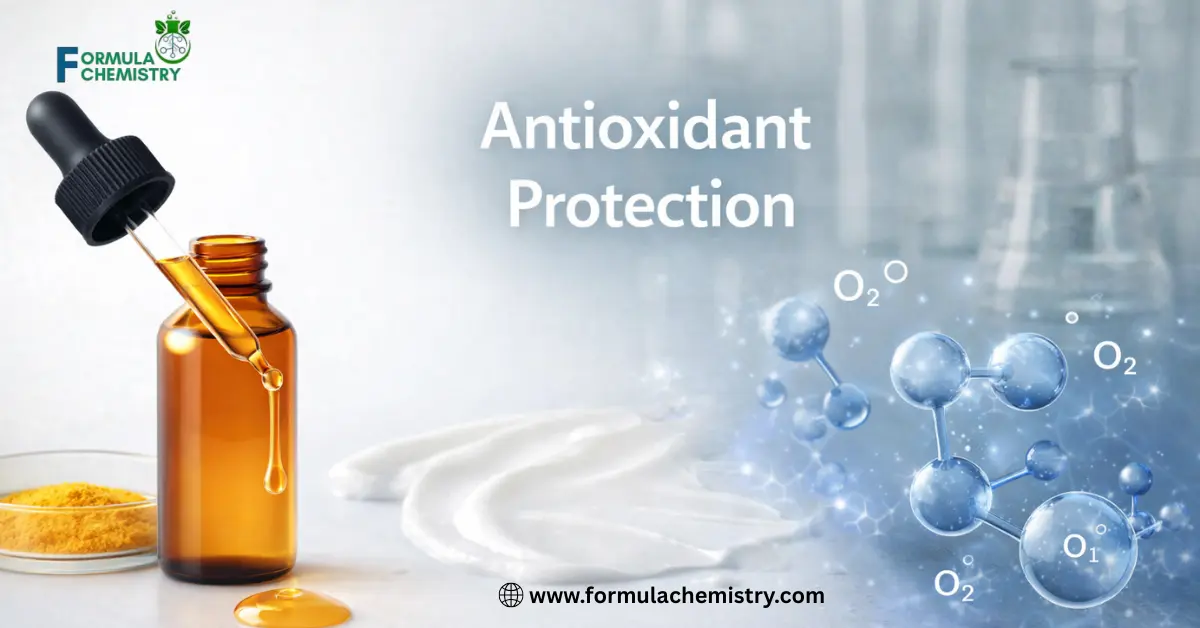
Oxidation (damage from oxygen exposure) is the primary cause of dullness and premature aging, making antioxidants (substances that neutralize the damage caused by free radicals) non-negotiable for a morning glow.
Vitamin C Mechanics
L-Ascorbic Acid (the active form of Vitamin C) donates electrons to unstable free radicals (damaging molecules caused by pollution and UV rays).
Vitamin C is unstable, so pick airless pumps or encapsulated formulas.
Synergistic Combinations
Pairing Vitamin C with Ferulic Acid (a plant-based antioxidant) or Vitamin E (another powerful antioxidant) doubles the photoprotection (defense against light damage).
This is chemistry synergy—combined ingredients work better than alone.
Formula Chemistry DIY: Fresh Morning Depuffing
Sometimes the best remedies are fresh, active, and made in your kitchen using simple scientific principles.
Caffeine and Cold Therapy
Caffeine is a vasoconstrictor, meaning it shrinks blood vessels (the tiny tubes that carry blood), to reduce puffiness.
- Recipe: Brew strong green tea and freeze it into cubes.
- Application: Rub a cube over your face for 1 minute.
- Science: The cold constricts blood flow, instantly tightening the skin for a sculpted look.
The Honey Morning Mask
If your skin looks tired, a 5-minute raw honey mask works wonders.
Honey is a humectant and antimicrobial. Its stickiness boosts circulation, creating a natural flush linked to Formula Chemistry DIY treatments.
Moisturizing: The Barrier Defense Strategy
A moisturizer functions as a sealant, locking in the hydration and active ingredients you just applied.
Emollients for Smoothness
Emollients are ingredients that fill the micro-cracks between skin cells, creating a smooth surface.
Ingredients like Squalane or Jojoba Oil mimic the skin’s natural sebum (oil). This makes the surface smoother, enhancing light reflection for an immediate glow.
Occlusives for Retention
You need a lightweight occlusive (ingredient that forms a protective barrier) to prevent Transepidermal Water Loss (TEWL), the escape of water through the skin, throughout the day.
Dimethicone or Shea Butter forms a film. This prevents hydration from evaporating.
Sunscreen: The Ultimate Chemical Shield
Sunscreen is not just for preventing burns; it preserves the structural proteins that keep skin firm and glowing.
Photon Absorption
Chemical sunscreens contain organic carbon-based compounds, such as Avobenzone.
Organic filters absorb UV and change energy to heat, protecting DNA.
Physical Reflection
Mineral sunscreens use Zinc Oxide, a mineral powder, to reflect light.
Micronized zinc provides coverage without a white cast and helps keep skin matte.
Internal Chemistry: Diet and Water
Your skin is a reflection of your internal health; topical (surface-applied) products can only fix the surface.
Electrolyte Balance
Drinking plain water isn’t enough; your cells need electrolytes (minerals that help regulate fluid balance) to hold onto it.
Add a pinch of sea salt or a squeeze of lemon to your morning water. This improves cellular hydration, which is visually apparent as plump, glowing skin.
Antioxidant Breakfast
Consume foods rich in polyphenols, such as berries or green tea, in the morning.
Eating polyphenol-rich foods helps protect your skin and support your skincare routine.
Facial Massage and Circulation
Mechanical stimulation brings oxygen-rich blood to the surface, feeding the skin cells.
Lymphatic Drainage
Fluid accumulates in the face overnight, causing puffiness.
Gently sweep fluid from the face’s center outward. This slimming feature brightens skin by removing toxins.
The Glow of Oxygenation
Increased blood flow brings nutrients to the epidermis.
A 2-minute massage stimulates the fibroblasts. Over time, this mechanical stress stimulates collagen production, the protein that contributes to skin density.
Consistency and the Chemical Formula of Time
No habit works if it is performed sporadically; the biology of skin relies on cycles.
The 28-Day Cycle
Skin cells take about 28 days to turn over (complete their renewal cycle).
Maintain morning habits for at least 28 days to see lasting change. This stabilizes your barrier.
Adapting to Seasons
Your morning routine should evolve with the weather.
Use a creamy cleanser in winter and a lighter gel in summer to keep skin balanced year-round.
FAQ’s about Morning Skincare Habits
Why is my skin dull even with a morning routine?
Dullness often stems from a buildup of dead skin cells that scatter light. If your morning routine lacks mild exfoliation or sufficient hydration, the surface remains rough. Incorporating a gentle acid toner or increasing your water intake can restore the skin’s reflective properties.
Can I use Vitamin C every morning?
Yes, Vitamin C is best used in the morning because it boosts sun protection. However, if you have sensitive skin, start with a lower concentration (5-10%) or a derivative such as Magnesium Ascorbyl Phosphate to avoid irritation while still reaping antioxidant benefits.
Is it necessary to wash my face in the morning?
If you have very dry skin, splashing with water might be enough. However, for most skin types, a gentle cleanse is necessary to remove the sweat, oil, and dead skin cells that accumulate overnight, ensuring a clean canvas for your Formula Chemistry skincare products.
How long should I wait between skincare steps?
You generally do not need to wait long between steps. Applying products to damp skin actually enhances absorption. The only exception is sunscreen; allow your moisturizer to dry for about 60 seconds before applying SPF to ensure it forms an even, unbroken film.
Does coffee ruin my morning skin glow?
Caffeine is a diuretic, which can dehydrate the body if consumed in excess. However, one cup is generally fine. To counteract the dehydrating effect, drink a glass of water for every cup of coffee to maintain the body’s hydration balance.
What is the best DIY mask for morning puffiness?
A cold compress or a chilled cucumber-and-aloe vera mask is superior for puffiness. The low temperature constricts blood vessels, while the aloe provides immediate hydration, aligning with safe Formula Chemistry DIY principles for soothing inflammation.
Can I skip moisturizer if I use sunscreen?
Yes, if your sunscreen is moisturizing enough. Many modern sunscreens contain emollients and humectants. If you have oily skin, a hydrating sunscreen can serve as a 2-in-1 product, simplifying your routine without compromising the barrier.
Why do I take my sunscreen pill in the morning?
Pilling happens when ingredients clash, such as mixing oil-based and water-based formulas, or applying products too quickly. To prevent this, ensure your moisturizer is fully absorbed before applying sunscreen, and try to stick to products with compatible chemistry formula bases (for example, use silicone-based products together).