
Introduction
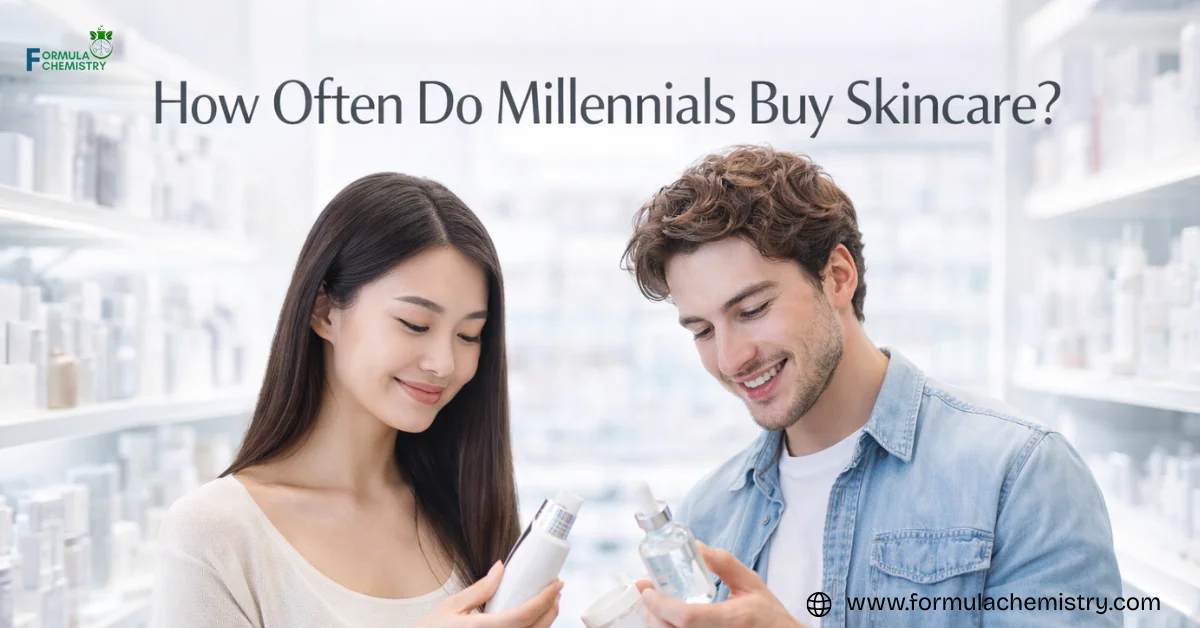
Millennials, currently aged between their late 20s and early 40s, represent the most significant purchasing power in the global beauty market. Unlike previous generations who remained loyal to a single legacy brand, this group is driven by efficacy, transparency, and education.
They are the first “skintellectuals,” analyzing ingredient lists and seeking derm-validated results before adding a product to their cart. For cosmetic formulators and brand owners, understanding the purchasing frequency of this group is critical for inventory planning and product development.
Millennials view skincare as a necessity rather than a luxury, frequently prioritizing preventative aging and barrier health. Their buying habits are consistent, high-volume, and heavily influenced by science-backed claims rather than celebrity endorsements alone.
Quick Answer
- Replenishment Rate: Millennials typically purchase staple products (cleansers, moisturizers) every 4 to 8 weeks.
- New Product Trial: They experiment with new treatments or serums approximately every 2 to 3 months.
- Top Drivers: Efficacy (clinical results), transparency (clean ingredients), and sustainability.
- Key Ingredients: Retinol, Vitamin C, Hyaluronic Acid, and Niacinamide.
- Spending Habits: They are willing to pay a premium for “cosmeceutical” grade products that promise prevention.
- Shopping Channels: A blended approach; researching online (reviews/social) but often purchasing in-store (Sephora/Ulta) or via subscription.
- Common Mistake: Over-purchasing strong acids leads to compromised skin barriers; formulations should balance potency with soothing agents.
- Safety Note: Always patch test new active-heavy products; overuse of anti-aging actives can cause irritation.
Learn what’s true and what’s myth in Can Ingredients in Skincare Products Stunt Growth?
What Drives Millennial Skincare Purchases?
The primary driver for Millennial skincare consumption is the desire for tangible results, specifically about “preventative aging.” This generation is acutely aware of the signs of aging and is active about treating fine lines, pigmentation, and texture.
Consequently, they gravitate towards products containing proven effective ingredients such as Retinoids and Peptides. Unlike Gen Z, who may be swayed by viral packaging, Millennials are more likely to examine the back of the bottle.
They look for specific percentages of actives (e.g., 10% Vitamin C or 5% Niacinamide). Brands that clearly disclose ingredient concentrations and pH levels often see higher conversion rates and repeat purchases from this group.
The Demand for Clean and Sustainable Beauty
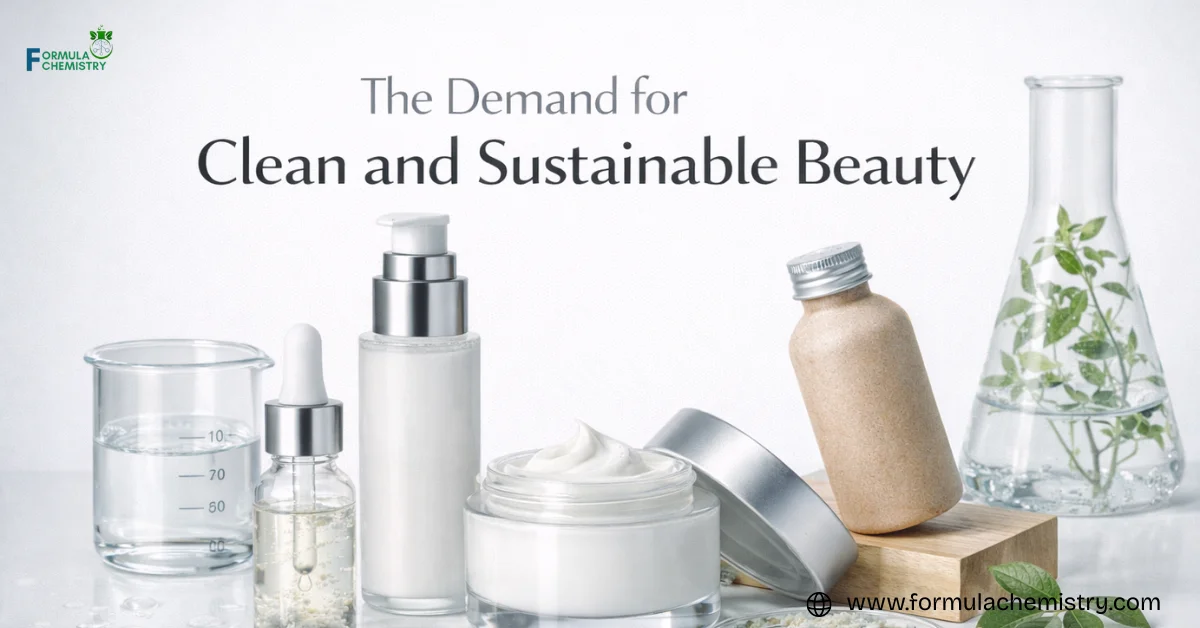
Sustainability is no longer a niche preference; for Millennials, it is a baseline expectation. They actively seek out brands that offer refillable packaging, glass containers, or ethically sourced raw materials.
A product that is effective but perceived as wasteful may be passed over for an eco-friendlier competitor. “Clean Beauty” to a Millennial means safety plus transparency. They avoid parabens, sulfates, and synthetic fragrances not just out of fear, but out of a desire for “pure” formulation by formula chemistry.
However, they are also practical; they prefer “clinical clean” brands that merge safety with synthetic efficacy instead of purely “all-natural” products that may expire quickly or lack potency.
Transparency and the “Skintellectual” Movement
Millennials were the first generation to have instant access to ingredient dictionaries and dermatology advice via social media. This access has created a consumer base that understands the difference between a humectant and an occlusive.
They purchase products that fill specific gaps in their routine, rather than buying a generic “cream.” knowledge compels them to buy single-ingredient serums (like a standalone Hyaluronic Acid or BHA liquid).
They enjoy layering products to customize their routine. For formulators, this means creating products that play well with others avoiding pills and guaranteeing pH compatibility is essential for this layering-focused consumer.
What Are the Purchasing Patterns and Frequencies?
Data suggests that Millennials are high-frequency buyers, often purchasing skincare more often than makeup. The “Self-Care” movement solidified skincare as a daily ritual, leading to consistent depletion of product.
A typical Millennial skincare routine consists of 4 to 7 steps, leading to a steady stream of empty bottles requiring replacement. The frequency of purchase is bifurcated: “Staples” are bought on a strict replenishment cycle, while “Treatments” are bought more sporadically or experimentally.
This distinction is vital for subscription services, since users may subscribe to a face wash but prefer to browse for their next exfoliating mask.
The Replenishment Cycle: Cleansers vs. Actives
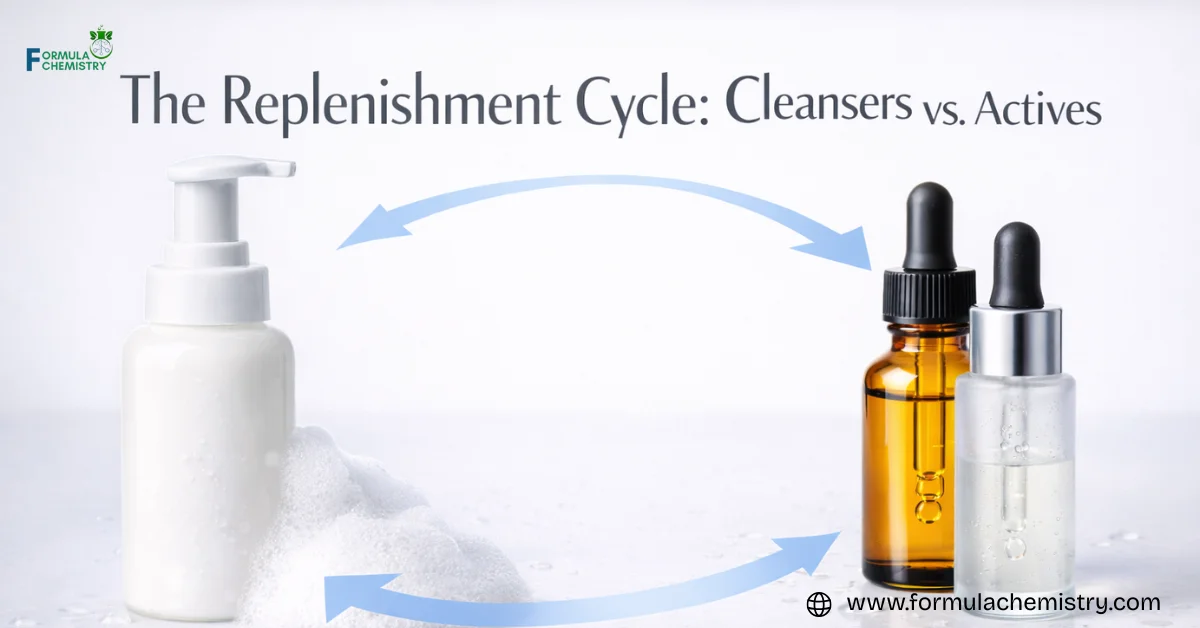
Daily essentials like cleansers, moisturizers, and sunscreens are used twice daily (or once for SPF) and are depleted quickly. Millennials typically repurchase these items every 1 to 2 months.
Brand loyalty is highest in this category; once they find a moisturizer that doesn’t cause breakouts, they stick with it. Conversely, potent actives like Retinol oils or exfoliating acid peels are used less frequently (2-3 times a week).
These bottles last longer, typically 3 to 6 months. Purchases in this category are often driven by seasonal changes (e.g., buying heavier acids in winter) or specific skin concerns that arise, such as a sudden breakout or pigmentation flare-up.
Impulse Buys and Social Influence
While Millennials are research-driven, they are susceptible to the “TikTok made me buy it” phenomenon, though they verify claims before purchasing. Impulse buys are common for lower-cost items like sheet masks, pimple patches, or lip masks.
These are often added to carts to reach shipping thresholds. Sales events (like Black Friday or Sephora VIB sales) trigger massive bulk buying. Millennials are known to “stock up” on expensive favorites during these times, skewing purchasing data.
A formulator should note that shelf stability is vital here; if a consumer buys three jars of Vitamin C cream at once, the third jar must still be potent six months later.
Ever wondered who’s most passionate about skincare? Discover the age groups driving skincare trends, their unique concerns, and how routines evolve from teens to adults helping you understand what products suit each stage of life.
Formulation Strategies for the Millennial Market
To capture the Millennial wallet, formulations have to prioritize barrier repair alongside high-performance actives. A common issue among this group is the overuse of exfoliants, leading to sensitized skin.
Successful products combine aggressive actives with soothing ingredients like Ceramides, Allantoin, or Centella Asiatica.
Additionally, the sensory impression is non-mandatory; individuals prefer textures that feel elegant and absorb quickly sticky, tacky, or heavy occlusives are generally disliked unless marketed specifically as a “sleeping mask.”
- Problem: High-strength acid toners cause stinging or redness.
- Fix: Buffer the pH to 3.5 – 3.8 and include anti-irritants like Bisabolol or Oat Extract to reduce the sting without losing efficacy.
- Problem: Vitamin C serums are oxidizing (turning brown) before the bottle is finished.
- Fix: Use anhydrous (water-free) suspensions or coat the Ascorbic Acid. Alternatively, switch to stable derivatives like Tetrahexyldecyl Ascorbate.
- Problem: “Clean” products are growing mold or separating.
- Fix: Do not rely solely on essential oils for preservation. Use robust, broad-spectrum preservative systems like Phenoxyethanol/Ethylhexylglycerin or Sodium Benzoate/Potassium Sorbate at the correct pH.
- Problem: Pills or balls up when layered under makeup.
- Fix: Reduce high-molecular-weight silicones or gums. Ensure the emulsion absorbs fully rather than sitting on top of the skin.
Product Usage and Repurchase Table
Understanding how long a standard-sized product lasts helps in sizing packaging and timing marketing emails.
Table: Estimated Usage and Repurchase Frequency for Millennials
| Product Type | Standard Size | Usage Frequency | Est. Repurchase Cycle |
| Cleanser | 150ml – 200ml | 2x Daily | 4 – 6 Weeks |
| Moisturizer | 50ml | 2x Daily | 4 – 6 Weeks |
| Sunscreen | 50ml | 1x Daily | 4 – 8 Weeks |
| Retinol Serum | 30ml | 3-4x Weekly | 3 – 4 Months |
| Exfoliating Acid | 100ml | 2x Weekly | 4 – 6 Months |
| Eye Cream | 15ml | 2x Daily | 3 – 4 Months |
Curious about the K-beauty craze? Learn why Korean skincare has captured the world’s attention, from innovative formulas and layering routines to glowing results that keep fans coming back for more.
FAQ’s about How Often Do Millennials Buy Skincare?
Do Millennials spend more on skincare than Gen Z?
Generally, yes. Millennials have higher disposable income and are in a life stage where “anti-aging” and preventative care are priorities. They are willing to invest in premium, clinical-grade skincare, whereas Gen Z often looks for “dupes” or cost-effective options.
How often should Millennials use Retinol?
Most dermatologists recommend starting 2-3 times per week and gradually increasing to every other night as tolerated. Daily use is possible for seasoned users, but overuse can lead to “retinol burn.”
What is the most popular skincare step for Millennials?
Serums are arguably the most popular category. Millennials love the targeted treatment aspect of serums, using them to tackle specific concerns like dark spots, wrinkles, or dehydration.
Do Millennials prefer online or in-store shopping?
It is a hybrid mix. They heavily research online and read reviews but often prefer buying in-store (e.g., Sephora, Ulta, Target) to test textures and see the packaging before committing, especially for new products.
Is “natural” skincare still a top priority?
The trend has shifted from “all-natural” to “clean clinical.” Millennials want safe ingredients (free from supposed toxins) but demand the efficacy of synthetic actives. They are less afraid of chemicals than they were 5 years ago, provided the science is clear.
Why do Millennials buy so many different products?
This generation views skincare as self-care and a hobby. The ritual of a multi-step routine provides a feeling of control and relaxation. They also enjoy “wardrobing” their skincare—switching products based on how their skin feels that day.
What are the top skin concerns for Millennials?
The top concerns are preventative aging (fine lines), hyperpigmentation (sun spots/acne scars), and adult acne. Hormonal breakouts continue to be a significant issue for many in this age group.
Should I formulate unisex products for this market?
Yes. Millennials largely view skincare as gender-neutral. They focus on ingredients and results over gendered marketing. Clean, minimalist packaging with functional claims appeals to all genders in this group.