
Introduction
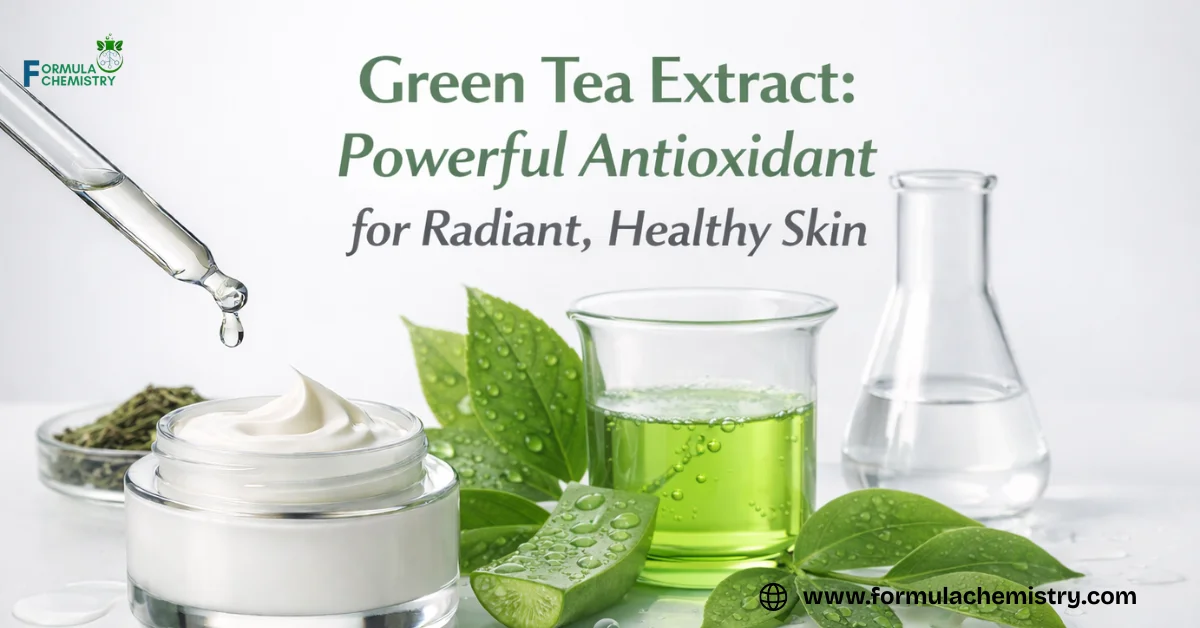
Green tea extract, derived from the leaves of the Camellia sinensis plant, remains one of the most researched and clinically validated botanical ingredients in modern cosmetic science.
Rich in polyphenols, specifically catechins, it offers a multi-functional approach to skin health through neutralizing free radicals and soothing inflammation.
At FormulaChemistry, we focus on the integration of standardized botanical extracts to secure consistent performance in professional and DIY formulations alike.
Quick Facts
- What it is: A concentrated botanical extract rich in Epigallocatechin Gallate (EGCG) and other antioxidant polyphenols.
- Who it’s for: Appropriate for most skin types, particularly oily, acne-prone, mature, and sensitive skin.
- How to use: Incorporate into the cool-down phase of emulsions or water-based serums.
- Usage range: Typically used at 0.5% to 5% in finished formulations.
- Solubility: Most standardized green tea extracts are water-soluble; oil-soluble versions are available as infusions.
- pH Stability: Most stable in a pH range of 4.0 to 5.5 to prevent oxidation and color shifting.
- Common Mistake: Adding the extract to high-heat phases, which degrades the delicate polyphenols.
- Safety Note: Always perform a patch test when using high concentrations of botanical actives.
The Role of Polyphenols in Cosmetic Science
The efficacy of green tea extract is mainly attributed to its high concentration of polyphenols. These compounds act as biological shields against oxidative stress caused by UV radiation and environmental pollutants. By scavenging reactive oxygen species (ROS), the extract helps prevent the degradation of collagen and elastin fibers.
FormulaChemistry provides practical formulation education and safety-forward guidance to help developers employ these properties without jeopardizing the stability of the final product.
What Are the Benefits of Green Tea Extract for Skin?
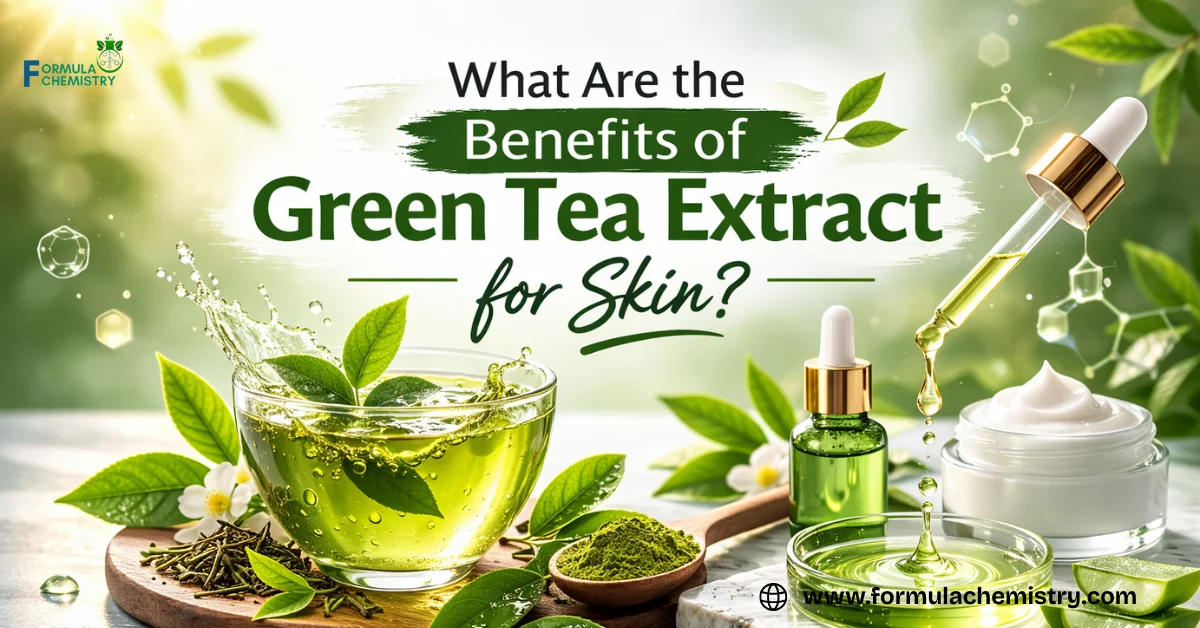
The biological activity of green tea extract goes beyond simple antioxidant protection. It is a diverse ingredient capable of addressing sebum regulation, microbial balance, and cell repair. Comprehending the specific mechanisms of its main constituent, EGCG, allows formulators to target specific skin concerns more effectively.
Synergistic Antioxidant and Anti-Aging Effects
Green tea extract is famous for its ability to inhibit collagenase, the enzyme responsible for breaking down collagen.
When used consistently, it supports maintaining skin density and reduces the appearance of fine lines. It also complements sun protection products by reducing the redness and cellular damage associated with UV exposure.
| Property | Specification |
| Typical Usage Range | 0.5% – 5.0% |
| Active Component | Epigallocatechin Gallate (EGCG) |
| Optimal pH | 4.5 – 5.5 |
| Color Impact | Light tan to deep brown/amber |
| Solubility | Primarily Water |
| Storage | Cool, dark place; avoid oxygen exposure |
Sebum Regulation and Acne Management
For those with oily or acne-prone skin, green tea extract offers a non-aggressive way to manage skin clarity. It has been shown to reduce 5-alpha-reductase activity, which in turn lowers sebum production.
Additionally, its antimicrobial properties help suppress the growth of acne-causing bacteria. Unlike harsh astringents, green tea provides these benefits while simultaneously calming the skin’s inflammatory response.
- Common Problems and Fixes:
- Problem: The final serum turns dark brown over time.
- Fix: Use a chelating agent (like Sodium Phytate) and maintain a pH below 5.5; ensure the bottle is opaque.
- Problem: Sediment or “crashing” in a clear toner.
- Fix: Filter the extract or use a solubilizer if using an oil-soluble version in water.
- Problem: Incompatibility with certain thickeners.
- Fix: Switch to Xanthan Gum or Sclerotium Gum, as some polyacrylates are sensitive to the electrolytes in botanical extracts.
Formulation Considerations for Botanical Stability
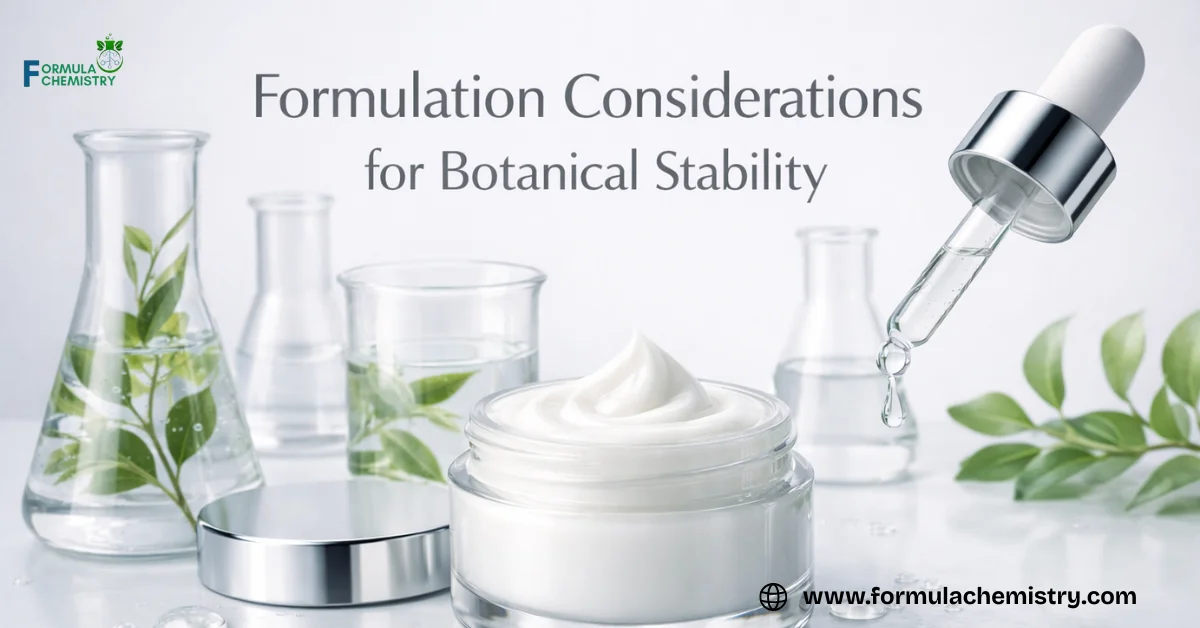
Blending green tea extract into a stable cosmetic product needs exactness. Because botanical extracts are complex mixtures of organic molecules, they are susceptible to oxidation, microbial contamination, and physical separation if not handled correctly. provides further depth on selecting the right carrier for your actives.
Temperature and pH Constraints
The active catechins in green tea are heat-sensitive. High temperatures during the emulsification process can lead to the rapid oxidation of polyphenols, resulting in a loss of potency and an undesirable color shift in the product. It is critical to add the extract during the “cool-down” phase (typically below 40°C).
Furthermore, the pH notes for green tea indicate that it is highly sensitive to alkaline environments; if the pH rises above 6.0, the extract will rapidly darken and lose its antioxidant capacity.
Compatibility and Preservation Requirements
Green tea extract is generally compatible with other antioxidants such as Vitamin C and Vitamin E. In fact, combining it with Vitamin E is able to enhance its stability. However, because it is a botanical material, it provides a potential food source for microbes.
Preservation reminder:
Any formulation containing water and green tea extract must include a strong, broad-spectrum preservative system to prevent mold and bacterial growth.
Safety Guidelines and Ingredient Selection
While green tea is widely considered safe, its concentration and the quality of the extract play a major role in both the safety aspects and efficacy.
Not all extracts are created equal; some may be diluted with propylene glycol or glycerin, while others are high-potency powders. FormulaChemistry emphasizes that understanding your raw material’s COA (Certificate of Analysis) is the first step in responsible formulation.
Who Should Avoid High Concentrations
Although rare, some people may experience contact dermatitis from certain components of the tea plant.
Who should avoid:
Those with a known allergy to the Theaceae family or specific sensitivities to caffeine (if the extract is not decaffeinated) should exercise caution.
Key warnings:
Highly concentrated extracts can be slightly astringent; if used in excess of the recommended usage ranges, they may cause dryness or irritation in those with extremely compromised skin barriers.
Best Practices for Application and Storage
To guarantee the longevity of a product containing green tea, it should be packaged in airless pumps or dark glass droppers. Exposure to light and oxygen is the primary cause of ingredient degradation.
Usage ranges of 1% to 2% are often sufficient for daily-use products, while professional-strength treatments may reach 5%.
At FormulaChemistry, we advocate for the “less is more” approach when starting a new routine to allow the skin to adapt to the high antioxidant load.
FAQs about Green Tea Extract: Powerful Antioxidant for Radiant, Healthy Skin
What skin type is green tea extract best for?
It is versatile enough for all skin types but is notably beneficial for oily, acne-prone, and mature skin due to its sebum-regulating and antioxidant properties.
Can I use green tea extract with Vitamin C?
Yes, they are highly compatible. Green tea can actually help stabilize Vitamin C and provide a wider range of antioxidant protection against different types of free radicals.
Does green tea extract contain caffeine?
Most standard extracts do contain small amounts of caffeine, which can help with skin depuffing. However, decaffeinated versions are available for those sensitive to the stimulant.
Why did my green tea cream turn brown?
This is usually a sign of oxidation. It occurs when the product is exposed to air, light, or if the pH of the formulation is too high (above 5.5).
Is green tea extract the same as matcha?
While both come from the same plant, “extract” is a concentrated form of specific active compounds, whereas matcha is the whole leaf ground into a powder, containing more fiber and chlorophyll.
How often can I use products with green tea?
Products formulated within standard usage ranges (0.5%–5%) are typically safe for twice-daily use, both in the morning and at night.
Does it help with skin redness?
Yes, the polyphenols in green tea have significant soothing properties that can help reduce the appearance of redness and calm irritated skin.
Can I add green tea extract to my store-bought lotion?
It is not recommended to add extracts to finished products, as this has the potential to destabilize the preservative system and the emulsion balance of the base formula.