
Introduction
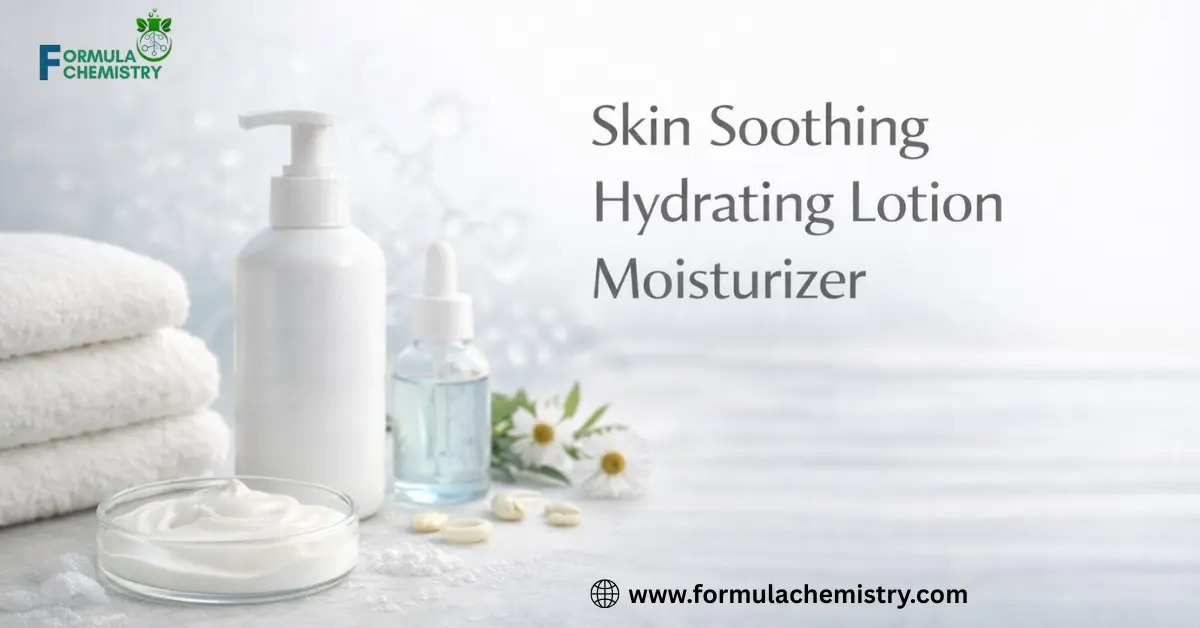
Sensitive and irritated skin requires more than just water; it needs a protective shield that calms the burning inside. A skin soothing hydrating lotion is specifically engineered to quell inflammation while restoring the moisture barrier.
Unlike heavy creams that may trap heat, a lotion offers a lightweight, breathable matrix. This allows the skin to regulate its temperature while absorbing a cocktail of anti-irritants and hydrators.
In this guide, we explore the formula chemistry of soothing emulsions. We will decode the role of ceramides, the science of anti-inflammatory botanicals, and how to choose a moisturizer that brings instant relief to red, angry skin.
What Defines a Soothing Hydrating Lotion?
A soothing lotion is defined by what it includes and what it excludes. It is a minimalist formulation designed to reduce the “bacterial load” and chemical stress on the skin.
The Lamellar Structure
High-quality soothing lotions frequently utilize liquid crystal technology.
This creates a “lamellar” structure layers of oil and water that mimic the skin’s own lipid bilayer. This chemical formula incorporates seamlessly into the stratum corneum, patching holes in the barrier without the need for heavy occlusives that can feel suffocating.
Breathable Occlusion
Unlike an ointment that seals everything in (including heat), a lotion allows for transepidermal heat release.
This is critical for conditions like Rosacea, where trapped body heat exacerbates redness. The lotion provides just enough occlusion to stop water loss but remains light enough to let the skin “breathe.”
The Chemistry Formula of Barrier Repair
The primary goal of a soothing lotion is to rebuild the wall that keeps irritants out.
Ceramides: The Mortar
Ceramides make up 50% of the skin’s barrier.
A soothing lotion must contain bio-identical ceramides (Ceramide NP, AP, EOP). They act as the mortar between skin cells. Without them, the formula chemistry is incomplete, and the skin is permeable to irritants and microbes.
Fatty Acids and Cholesterol
To function correctly, ceramides need partners.
The “Golden Ratio” of barrier repair includes Cholesterol and Free Fatty Acids. These ingredients ensure the lipid layer is flexible and resilient, preventing the cracks that lead to stinging and sensitivity.
Anti-Inflammatory Botanicals
Science has identified specific plant molecules that actively downregulate the body’s inflammatory response.
Centella Asiatica (Cica)
This ancient herb contains madecassoside, a potent anti-inflammatory compound.
It speeds up wound healing and reduces the production of inflammatory cytokines. In Formula Chemistry skincare, Cica is the star ingredient for “putting out the fire” of irritated skin.
Colloidal Oatmeal
Oats are FDA-approved skin protectants.
They contain beta-glucans and lipids that form a soothing film over the skin. This film holds moisture and buffers the skin against external friction, delivering immediate relief from itching and tightness.
Humectants for Deep Hydration
Hydration is different from moisturization; hydration puts water into the cells, which is essential for soothing.
Panthenol (Vitamin B5)
Panthenol is a penetrative humectant.
Once inside the skin, it converts to Pantothenic Acid, which is necessary for cellular repair. It hydrates the skin from within while simultaneously stimulating the healing of the barrier.
Allantoin
Derived from comfrey root, Allantoin is a keratolytic humectant.
It softens the rough, dead skin cells that can trap irritants. Keeping the surface smooth and hydrated allows the chemical formula of the soothing actives to penetrate more effectively.
Formula Chemistry DIY: The Oat & Chamomile Lotion
You can create a gentle, fragrance-free soothing lotion at home using ingredients known for their tranquilizing properties.
Recipe
- Phase A (Oil): 12% Sunflower Oil (High linoleic acid for barrier repair), 5% Emulsifying Wax NF.
- Phase B (Water): 70% Chamomile Hydrosol (Anti-inflammatory base), 3% Glycerin.
- Phase C (Cool Down): 2% Colloidal Oatmeal, 2% Panthenol, 1% Preservative (Liquid Germall Plus).
The Process
Heat phases A and B separately to 70°C. Combine and blend with high shear until white. As it cools, the oat and panthenol are added to make sure they remain active. This Formula Chemistry DIY lotion is perfect for eczema-prone or sunburned skin.
The Importance of pH in Soothing Products
Irritated skin often has an elevated pH, which allows bad bacteria (like Staph) to proliferate.
Acid Mantle Support
A soothing lotion must be slightly acidic, ideally pH 5.0 – 5.5.
This acidity helps to restore the acid mantle. By lowering the skin’s surface pH, you create an environment where the skin’s natural healing enzymes can function, and pathogens are inhibited.
Avoid Alkaline Ingredients
Formulators must avoid ingredients like Triethanolamine (a pH adjuster) if it pushes the pH too high.
Using Citric Acid or Lactic Acid to lower the pH ensures the chemistry formula supports the skin’s biological defense system.
Texture and Application
For sensitive skin, the mechanical act of applying a product can be irritating; the lotion must have “slip.”
Silicone Alternatives
To create a glide without using silicones (that some find occlusive), ingredients like Isoamyl Laurate are used.
This is a plant-based ester that feels like silk. It allows the lotion to spread easily with zero drag, making sure you don’t pull or tug at already inflamed tissue.
The Patting Method
Instead of rubbing, apply soothing lotion by patting or pressing.
Warm the lotion between your palms and carefully press it onto the face. This minimizes friction and helps force the product into the epidermis using gentle pressure.
Ingredients to Avoid in Soothing Lotions
When the goal is calm, specific ingredients act as triggers and must be rigorously excluded.
Fragrance and Essential Oils
Even natural scents like Lavender can be allergens.
Volatile compounds in fragrance penetrate the weak barrier of sensitive skin, causing contact dermatitis. A true soothing lotion should smell like its ingredients (oats, oil) or nothing at all.
Drying Alcohols
Alcohol Denat gives a light feel but destroys the lipid barrier.
Ensure your lotion uses only Fatty Alcohols (Cetyl, Stearyl), which are moisturizing waxes, not drying solvents.
| Ingredient | Function | Weight % | Amount (ml/g) |
|---|
⚠ Professional Lab Verification Required
- Water Percentage (q.s.): Distilled water is listed as a starting estimate. In a real laboratory batch, water is added q.s. (quantity sufficient) after all other ingredients are accurately weighed to bring the total to exactly 100%.
- pH Adjustment: Sodium hydroxide and citric acid percentages are formulation starting points only. Every real batch must be verified and corrected using a calibrated pH meter to hit the target pH range precisely.
- Preservation Efficacy: Preservative performance must be validated through Challenge Testing (PET) as per ISO 11930 before any commercial or consumer use of this formulation.
- Stability Testing: This formula requires accelerated stability testing at 4°C, 25°C, and 40°C over a minimum of 12 weeks to confirm physical, chemical, and microbiological stability before market release.
Conclusion
A Skin Soothing Hydrating Lotion is the comfort blanket of the skincare world, giving essential moisture and repair without the bulk of a cream.
By giving priority to barrier-identical lipids, anti-inflammatory botanicals, and a pH-balanced formula chemistry, you can restore peace to angry skin.
Whether you rely on a pharmacy staple or a custom Formula Chemistry DIY blend, the right lotion turns the daily act of moisturizing into a therapeutic ritual of healing.
FAQ’s about Skin Soothing Hydrating Lotion Moisturizer
Can I use this lotion on my body?
Yes. The skin on the body suffers from the same barrier issues as the face. A soothing, hydrating lotion is excellent for treating eczema patches on arms or post-shave irritation on legs, providing lightweight relief everywhere.
Is this lotion good for acne?
Yes, if it is non-comedogenic. Inflammation is a key component of acne. By soothing the redness and hydrating the skin with lightweight oils (like Sunflower or Squalane), you can reduce the severity of breakouts without blocking pores.
Can I put this lotion in the fridge?
Absolutely. Applying a cold lotion constricts blood vessels (vasoconstriction), which immediately reduces redness, heat, and itching. It adds a physical cooling therapy to the chemical benefits of the product.
Does soothing lotion help with sunburn?
Yes. A lotion containing Aloe, Panthenol, and Vitamin E is the best treatment for sunburn. It replaces the lost hydration and provides the lipids needed to repair the UV-damaged barrier, preventing peeling and reducing pain.
Can I layer this with a serum?
Yes. Apply your water-based serums (like Hyaluronic Acid) first, then seal them in with the soothing lotion. This layering technique maximizes hydration and ensures the active ingredients are locked against the skin.
How do I know if my moisture barrier is damaged?
Signs include stinging when applying non-active products, persistent redness, flakiness combined with oiliness, and a rough texture. If you experience these, switch to a simple soothing lotion routine until the skin recovers.
Is Colloidal Oatmeal better than regular oatmeal?
Yes. Colloidal Oatmeal is ground into a microscopic powder that remains suspended in the lotion. This allows it to form a uniform protective film on the skin. Regular oatmeal is too coarse and will not provide the same formula chemistry benefits in a lotion.
Can I use this on a baby’s skin?
Generally, yes. Soothing, hydrating lotions formulated without fragrance and essential oils are usually safe for infants. However, always check the label for age recommendations or seek advice from a pediatrician for specific baby-safe brands.