

Introduction
Retinol is widely considered the gold standard for anti-aging, but it is a double-edged sword. Used incorrectly, this potent molecule can destroy your moisture barrier and cause redness, peeling, or sensitivity.
Successful treatment does not mean using the highest strength available. The key is understanding the interaction between retinol and your cells. Master the application techniques supported by formula chemistry to use Vitamin A safely and unlock its power.
This guide provides a scientifically grounded roadmap to navigating Retinol, ensuring you achieve a youthful glow without the “retinol burn.”
What Is Retinol and How Does It Work Scientifically?
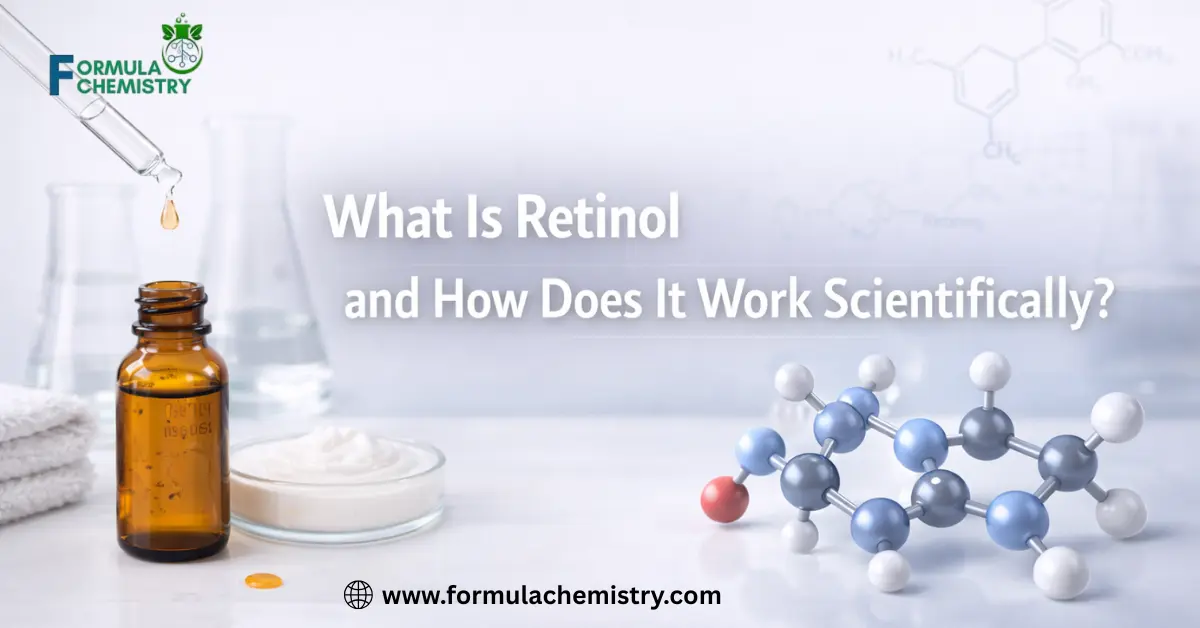
Retinol is a type of Vitamin A that helps older skin cells act like younger ones by sending signals to them.
The Biological Mechanism of Action
Unlike products that only work on the skin’s surface, Retinol goes deeper into the skin.
Once inside, enzymes change it into Retinoic Acid. This new form attaches to parts of the cell’s control center and tells the DNA to help skin cells renew faster and make new collagen.
Understanding the Chemical Formula
Retinol’s chemical makeup means it mixes well with oils.
This lets it move easily through the skin’s oil layers. But this ability can also upset the skin’s natural oils if not properly mixed into a product.
The Process of Retinization: What to Expect
Retinization is the adjustment period during which your skin builds tolerance to the increased rate of cellular regeneration.
Managing the “Purge” Phase
As cell turnover accelerates, microcomedones (clogged pores) deep in the skin are rapidly brought to the surface.
This results in a temporary flare-up of acne. It is a sign that the formula chemistry is working to clear congestion, not a reaction to be feared.
Identifying Barrier Compromise
There is a difference between purging and damage.
If your skin becomes shiny, tight, and stings when you apply a bland moisturizer, you have damaged your lipid barrier. This requires an immediate pause in activities to focus on Formula Chemistry skincare repair strategies.
Choosing the Correct Concentration and Formulation
Selecting the right product is critical; the percentage on the bottle determines the reaction intensity on your face.
Starting Low and Slow
Beginners should never start with 1%.
Start with a little: between 0.01% and 0.03%. This gentle approach helps your skin adjust and avoids irritation while still working well over time.
Encapsulated vs. Pure Retinol
Modern formulations often use encapsulation technology.
The main Retinol is covered in a light shell. This helps it release more slowly, preventing redness and prolonging its effectiveness as it penetrates deeper into the skin.
Uncover the real perks of Tretinoin in Tretinoin Benefits: What No One Tells You.
The Sandwich Method: A Safety Protocol
For beginners, follow these clear steps to apply retinoids safely and avoid dryness or irritation.
Step 1: Base Hydration
After cleansing, apply a thin layer of a basic, fragrance-free moisturizer.
First, apply Ceramides or Hyaluronic Acid to act as buffers. Then add Retinol on top. This sequence prevents the Retinol from penetrating too quickly, which is the primary cause of irritation in Formula Chemistry skincare.
Step 2: Active Application
Wait until the moisturizer dries completely before continuing.
ApplyApply a pea-sized amount of Retinol. Never apply it to damp skin—it increases penetration and irritation. Make sure the surface is dry to stay safe.
Step 3: The Seal
Seal with a heavier cream or oil as the final layer.
This “sandwiches” the active ingredient, ensuring your skin remains hydrated, and the lipid barrier stays intact throughout the night.
Ingredients to Pair with Retinol for Stability
Retinol works best when supported by soothing ingredients that counteract its drying side effects.
Niacinamide Synergy
Niacinamide (Vitamin B3) stimulates the production of ceramides.
When you use it with Retinol, your barrier is stronger. This combination is a standard in advanced formula chemistry for skin health during treatment. Luronic Acid Support
Retinol increases water loss (TEWL) in the early stages.
Pairing Retinol with a humectant like Hyaluronic Acid replenishes moisture. Apply the humectant first and seal it properly. Avoid Mixing with Retinol.
Certain active ingredients destabilize Vitamin A or increase exfoliation to dangerous levels, leading to chemical burns.
The Conflict with AHAs and BHAs
Alpha Hydroxy Acids (Glycolic, Lactic) and Beta Hydroxy Acids (Salicylic) exfoliate the surface.
Retinol thins the outer layer of the skin. Using them together completely strips the barrier. Separate them by using acids in the morning or on alternate nights.
Vitamin C Instability
Pure Vitamin C (Ascorbic Acid) requires a low pH to work.
Retinol prefers a neutral pH. Layering retinol and vitamin C can render both ineffective due to a chemical clash between their formulations. Use vitamin C in the AM and retinol in the PM.
Formula Chemistry DIY: Soothing the Retinol Burn
If you push your skin too hard, you can use simple, homemade remedies to instantly calm the inflammation.
Oatmeal and Honey Rescue Mask
Colloidal oatmeal contains avenanthramides, which block histamine release.
- Mix: Finely ground oats with raw honey and a drop of water.
- Apply: Leave on for 15 minutes.
- This Formula Chemistry DIY blend forms a soothing hydrocolloid film. It relieves heat and redness immediately.
Green tea is rich in EGCG, a potent anti-inflammatory antioxidant.
- Brew: Strong green tea and chill it in the fridge.
- Apply: Soak a clean cloth, then press it onto the face.
- Benefit: The cold constricts blood vessels, while antioxidants repair oxidative damage caused by inflammation.
The Critical Role of Sun Protection
Retinol thins the dead outer layer of the skin (stratum corneum), removing your natural protection against UV radiation.
Increased Photosensitivity
New skin cells are highly susceptible to DNA damage.
Using Retinol without sunscreen essentially accelerates aging rather than reversing it. The UV rays penetrate deeper, breaking down the very collagen you are trying to build.
Choosing the Right SPF
You need a broad-spectrum SPF 30 or higher.
Mineral sunscreens with Zinc Oxide are preferred for retinized skin. They reflect heat and UV rays and avoid the risk of irritation from chemical filters. Frequency of Use: Building the Retinoid Ladder.
Patience is the most important ingredient in your routine; rushing the process yields no extra benefits, only side effects.
The 1-2-3 Rule
- Week 1-2: Use Retinol once a week.
- Week 3-4: Use Retinol twice a week (every 3 days).
- Month 2: Increase to every other night if tolerated.
Listening to Your Skin
If at any point you experience stinging, drop back a level.
Consistency over the years matters more than intensity over the weeks. This slow approach respects the biological chemical formula of your skin’s adaptation process.
Alternative Options for Ultra-Sensitive Skin
Some skin types, such as those with Rosacea, may never tolerate traditional Retinol, but effective alternatives exist.
Bakuchiol: The Plant-Based Rival
Derived from the Babchi plant, Bakuchiol mimics Retinol’s gene expression.
It stimulates collagen without irritation. It is photostable and safe for use during pregnancy, making it a perfect retinol skincare alternative.
Retinyl Palmitate
This is the weakest form of Vitamin A. It must go through three conversion steps to become active in the skin. This slow conversion makes it extremely gentle, offering antioxidant protection with minimal risk of irritation.
Conclusion
Retinol is a journey, not a sprint. You must commit to understanding the science of your own skin. By choosing the right concentration, properly hydrating, and avoiding harmful ingredient clashes, you can harness its power safely.
Whether you rely on clinical formulations or support your barrier with DIY remedies from Formula Chemistry, the path to ageless skin is paved with patience and protection.
Frequently Asked Questions: How to Use Retinol
How do I know if my skin barrier is damaged?
Signs include stinging when using products, redness, oily but tight skin, and a rough texture. If your skin feels “raw,” your barrier may be damaged.
Can I use sunscreen while repairing my barrier?
Yes, but opt for a mineral sunscreen with Zinc Oxide, as it is less likely to irritate a damaged barrier than chemical filters.
Why does water sting my face?
When your barrier is damaged, the nerve endings in your dermis are exposed to the environment. Even water, which has a pH different from your skin’s, can trigger these nerves, causing a stinging sensation. This is a clear sign to stick to isotonic or pH-balanced products.
Is Vaseline safe for acne-prone skin during repair?
Yes, cosmetic-grade petrolatum is non-comedogenic because its molecular size is too large to clog pores. It sits on the skin’s surface to trap moisture. However, ensure you cleanse your skin thoroughly before applying it to avoid trapping bacteria underneath the seal.
Can I use Niacinamide to repair my barrier?
Yes, Niacinamide is excellent for barrier repair as it stimulates the production of ceramides and fatty acids. However, ensure the concentration is low (2-5%). High concentrations (10%+) can be irritating to broken skin, disrupting the chemical formula of the healing process.
How long should I wait before using Retinol again?
Wait until your skin is normal for at least one week. Restart retinol with moisturizer before and after, and use only once weekly.
What is the best DIY mask for a broken barrier?
A simple mask made of colloidal oatmeal and water is the safest option. Avoid kitchen ingredients such as lemon, vinegar, or baking soda, as their high pH levels will further disrupt the acid mantle and worsen the condition.
Does stress affect skin barrier healing?
Yes. Stress releases cortisol, which impairs your skin’s repair and causes inflammation. Prioritize rest and relaxation for recovery.