
Introduction
The global cosmetics market has shifted from a focus on “anti-aging” for mature adults age groups to a complete wellness and prevention category that spans all generations.
While traditionally the 35–54 demographic held the most purchasing power, recent data shows a massive surge in interest from younger consumers.
FormulaChemistry observes that this shift is driven by digital competence and an earlier awareness of skin health.
Quick Answer
- Primary Demographic: Consumers aged 18–34 (Gen Z and Millennials) currently show the highest digital interest and frequency of product usage.
- Secondary Demographic: The 35–54 age group remains the highest spending bracket due to a focus on high-performance actives.
- Emerging Trend: Interest among teens (13–17) has grown by over 20% year-over-year due to social media influence.
- Key Focus: Younger groups prioritize prevention (SPF and hydration), while older groups focus on correction (retinoids and peptides).
- Typical Usage Range: Most basic routines consist of 3–5 products; enthusiast routines often exceed 7 steps.
- Safety Note: Younger skin has a stronger barrier but is prone to irritation from overusing high-strength acids.
- Common Mistake: Using 10%–15% L-Ascorbic Acid or strong retinoids too early, which can lead to contact dermatitis.
- Who Should Avoid: Children under 12 should avoid “active” ingredients like AHAs/BHAs unless medically directed.
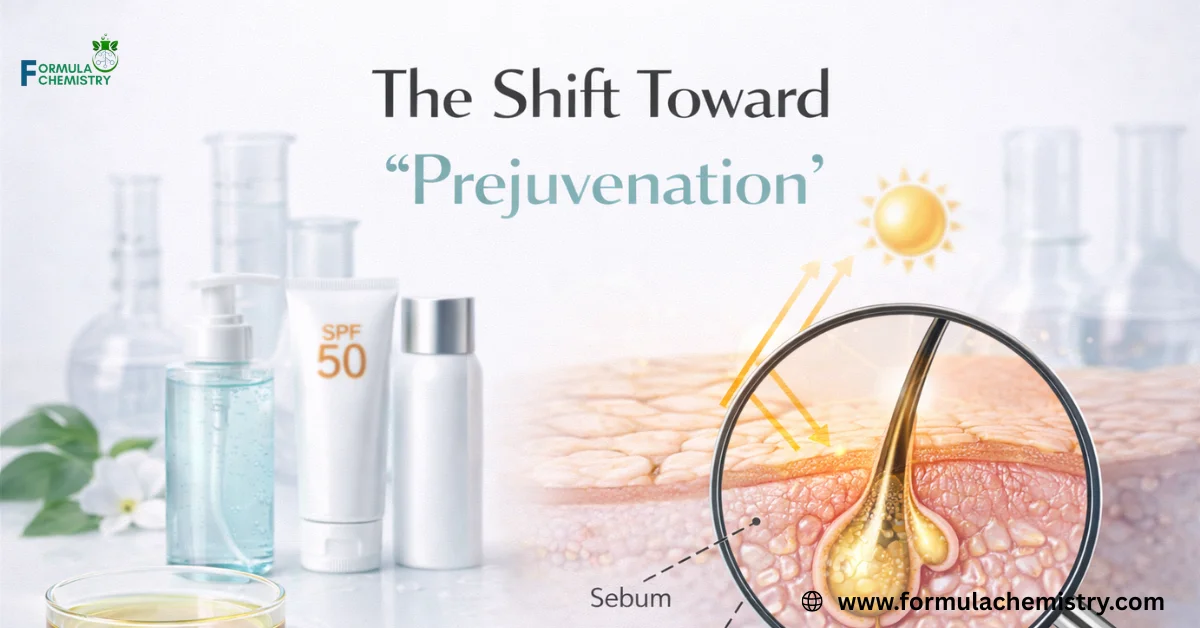
The Shift Toward “Prejuvenation”
Modern skincare interest is no longer reactive. Younger consumers are adopting “prejuvenation” strategies, using professional-grade ingredients earlier to delay the visible signs of photoaging.
FormulaChemistry provides practical formulation education and safety-forward guidance to help these enthusiasts traverse complex ingredient lists without damaging their skin barrier.
What Age Group Spends the Most on Skincare?
The financial scene of the beauty industry highlights a distinction between “interest” and “investment.” While younger consumers generate the most social media engagement, the 35–55 age group typically accounts for the highest total spend per transaction.
This is largely due to the higher price points associated with sophisticated delivery systems and “prestige” anti-aging formulations.
Millennials and the 25–40 Demographic
Millennials are currently the most influential force in the cosmetics market. This group bridges the divide between traditional brand loyalty and the modern “skintellectual” movement.
They are highly educated on ingredients like Niacinamide (2%–5%) and Hyaluronic Acid, often researching the science behind a product before purchasing.
- Priority: Prevention of fine lines and treatment of adult acne.
- Spend Profile: Moderate to high; they prefer “masstige” brands that offer clinical transparency.
- Common problems and fixes:
- Problem: Over-exfoliation from using multiple acid-based serums.
- Fix: Implement a “skin cycling” routine to allow the barrier to recover.
- Problem: Sensitivity to fragrance.
- Fix: Switch to basic oil-free and synthetic fragrance-free formulations.
- Problem: Clogged pores from heavy creams.
- Fix: Utilize lightweight, non-comedogenic gel-creams.
Gen X and the Focus on Performance
Consumers aged 45–60 represent a stable and lucrative segment for the industry. Their interest is piqued by high-performance ingredients that address structural skin changes, such as loss of elasticity and hyperpigmentation.
| Age Group | Key Ingredient Interest | Primary Goal | Frequency of Use |
| 13-19 | Salicylic Acid, SPF | Acne Control | Daily (Basic) |
| 20-34 | Vitamin C, Hyaluronic Acid | Glow & Prevention | Twice Daily |
| 35-50 | Retinol, Peptides | Collagen Support | Twice Daily |
| 55+ | Ceramides, Growth Factors | Barrier Support | Twice Daily |
How Interest Levels Vary by Generation
Interest in skincare is often dictated by the specific physiological needs of the skin at different life stages. For instance, the 13–24 demographic (Gen Z) views skincare as a type of self-care and identity. Conversely, older demographics view it through the lens of maintenance and health.
Gen Z and the Rise of “Skintellectualism”
Gen Z is remarkably interested in the chemistry of their products. They are less likely to be swayed by celebrity endorsements and more likely to follow cosmetic chemists or dermatologists online.
This age group has a high interest in honesty and sustainability, often checking the pH of cleansers (ideally 4.5–5.5) to make sure they match the skin’s natural acid mantle.
Key Warnings:
- Who should avoid: Teenagers should avoid high-strength Retinol (above 0.3%) unless treating severe acne, as it can cause significant peeling and sensitivity.
- Patch testing advice: Always patch test new actives on the inner forearm for 24 hours before full-face application.
The Baby Boomer Perspective on Skin Health
While interest may seem lower in the 60+ demographic compared to the “viral” nature of Gen Z, their focus is firmly anchored in dermatological health. This group prioritizes lipid-replenishing ingredients.
Their interest is frequently sparked by products containing Ceramides, Cholesterol, and Fatty Acids to combat age-related xerosis (dryness).
Why the 18–34 Demographic Dominates Digital Interest
The dominance of the 18–34 age group in skincare interest is not accidental; it is the result of a digital-first ecosystem.
This group consumes educational content at a higher rate than any other, leading to a deeper, science-based obsession with “glass skin” and preventative care.
The Role of Social Media and Education
Platforms such as TikTok and Instagram have turned skincare into a hobby. This has led to the 18–34 group being the most experimental, frequently trying new “active” ingredients. However, FormulaChemistry notes that this experimentation requires a grounded understanding of formulation to avoid adverse reactions.
- Trend Tracking: This group drives the demand for “clean beauty” and “waterless beauty” concepts.
- Ingredient Literacy: They are the primary searchers for expressions like “Bakuchiol vs. Retinol” or “Squalane benefits.”
- Preservation Reminder: When this group experiments with DIY or niche brands, they must ensure water-based products contain a strong, broad-spectrum preservative system to prevent microbial growth.
Influences on Purchasing Behavior
For the 18–34 group, interest is powered by peer reviews and “before and after” documentation. They are more likely to purchase a product if they understand the concentration of actives, such as a 5% Lactic Acid serum versus a 10% Glycolic Acid treatment.
Key warnings:
- Irritation cautions: Avoid mixing Vitamin C (L-Ascorbic Acid) with Copper Peptides in the same routine, as it may lead to ingredient degradation or skin flushing.
- When not to use: Do not apply chemical exfoliants on compromised, sunburnt, or broken skin.
Essential Safety and Formulation Standards
Regardless of which age group shows the most interest, the principles of safe formulation remain constant. Formula Chemistry emphasizes that the efficacy of a product is not only about the “hero” ingredient but the stability of the entire matrix.
Formulation Integrity for All Ages
A product designed for a 20-year-old’s oily skin will have a vastly different delivery system than one for a 60-year-old’s dry skin.
Formulators must consider pH notes (e.g., Vitamin C requires a pH below 3.5 for penetration) and solubility to ensure the consumer sees results without irritation.
- Stability: Active ingredients must be protected from light and air.
- Compatibility: Making sure that preservatives do not destabilize the emulsion.
- Ethics: FormulaChemistry supports the move toward transparent sourcing and evidence-based claims.
Conclusion on Demographic Trends
While the 18–34 age group is currently the “most interested” in terms of participation and expansion, skincare is a never-ending journey. As consumers age, their interests shift from “new and trendy” to “proven and stable.”
Editorial responsibility at FormulaChemistry makes certain that, regardless of age, users are granted access to the chemical facts required to reach informed decisions for their unique skin biology.
FAQs about Which Age Group Is Most Interested in Skincare?
Which age group uses the most skincare products?
The 18–34 demographic (Gen Z and Millennials) typically uses the highest number of products daily, often following multi-step routines.
At what age should you start a skincare routine?
A basic routine of cleanser, moisturizer, and SPF should start in childhood. Specialized actives like antioxidants are usually introduced in the late teens or early 20s.
Do older adults lose interest in skincare?
No, interest remains high but shifts toward medical-grade efficacy, barrier repair, and treatments for thinning skin and hyperpigmentation.
Why is Gen Z so obsessed with skincare?
Increased exposure to high-definition video, social media “skinfluencers,” and an early focus on preventative health have driven this obsession.
Which age group buys the most expensive skincare?
Consumers aged 45–60 (Gen X) tend to purchase higher-priced luxury and dermatological brands focused on anti-aging.
Is it safe for children to use “viral” skincare products?
Most “viral” products contain high concentrations of acids or retinoids that are too harsh for children’s thin skin; they should stick to basic hydration.
Does skin type change with age?
Yes, skin generally produces less sebum as it ages, moving from oily or combination in youth to dry or sensitive in later years.
What is the most searched skincare ingredient by age?
Younger groups search for Salicylic Acid and Niacinamide, while older groups search for Retinol, Ceramides, and Peptides.
- Salicyclic Acid Solubility in Glycerin, BG, and PEG-400: Formulator’s Comparison Guide
- Salicylic Acid Solubility in Propylene Glycol vs Ethanol: Formulator’s Comparison Guide
- Salicylic Acid Solubility in Water: Complete Formulator’s Guide
- How to Use Salicylic Acid on Face: A Beginner’s Guide
- Salicylic Acid vs Benzoyl Peroxide Face Wash