
Introduction
Negotiating the global marketplace to find authentic Korean skincare can be a daunting task for both consumers and cosmetic formulators.
The surge in popularity of K-beauty, driven by innovative ingredients like fermented galactomyces, snail mucin, and centella asiatica, has unfortunately led to a rise in counterfeit products and unauthorized resellers.
Understanding where to buy Korean skincare requires a good eye for distributor legitimacy and an awareness of how these delicate formulas are handled during shipping and storage.
At Formula Chemistry, we provide practical formulation education and safety-forward guidance to help you understand the “why” behind your favorite products.
Whether you are looking for a gentle pH-balanced cleanser or a high-performance PDRN serum, sourcing from verified channels makes certain that the active concentrations and preservative systems remain intact.
This guide breaks down the most reliable retailers and the red flags to watch for when building your routine.
Quick Facts
- Primary Retailers: Top-tier authentic global sites include Olive Young Global, YesStyle, and StyleKorean.
- Who It’s For: Korean skincare is designed for all skin types, with a heavy emphasis on barrier repair and gentle hydration.
- Safety Note: Always perform a patch test on the inner forearm for 24–48 hours before applying new formulas to the face.
- Typical pH Range: Most K-beauty cleansers and toners are formulated between pH 4.5 and 5.5 to support the acid mantle.
- Common Mistake: Buying from unverified third-party sellers on marketplaces (like certain eBay or Amazon vendors) increases the risk of receiving fakes.
- Formulation Note: Many Korean products use natural extracts; ensure the product is within its “Period After Opening” (PAO) symbol timeframe to guarantee efficacy.
- Compatibility: Most K-beauty humectants are compatible with Western actives like Retinol or Vitamin C, but watch for overlapping exfoliants.
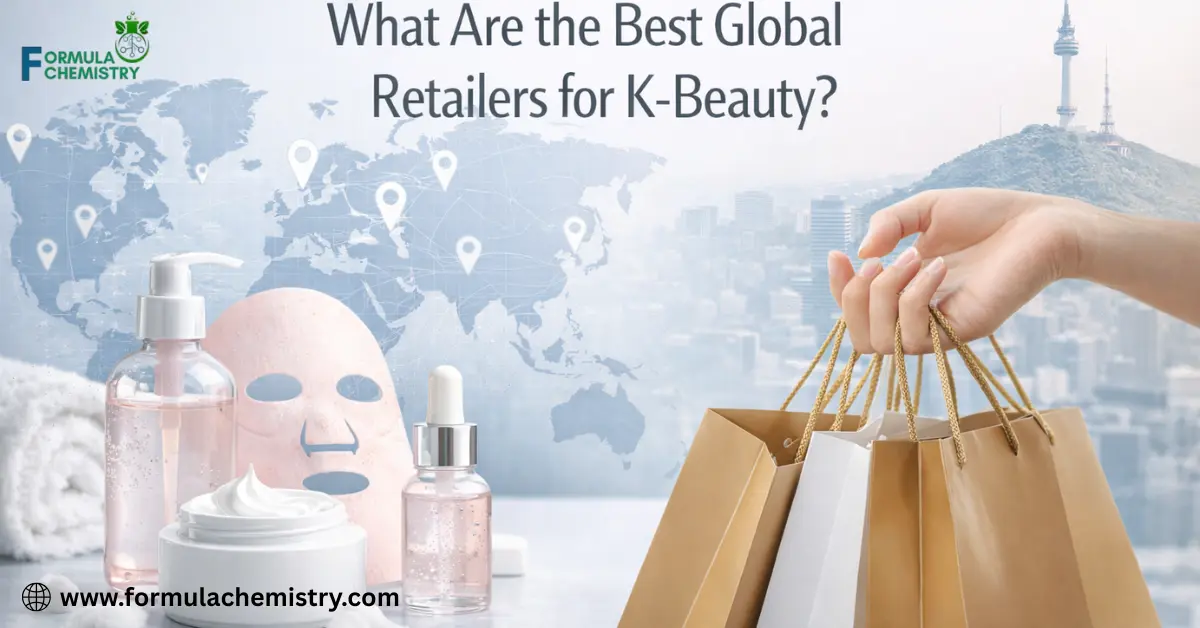
What Are the Best Global Retailers for K-Beauty?
Selecting a retailer is the first line of defense against expired or counterfeit skincare. For international shoppers, the most reliable sources are those based directly in South Korea or those with official distribution contracts.
These retailers often have the highest turnover, meaning you receive the freshest batches of products with the longest shelf lives.
Top-Rated E-Commerce Platforms
Olive Young Global is widely considered the “Sephora of Korea” and is the gold standard for authenticity. They ship directly from their Korean warehouses, making sure you get the same formulations sold in Seoul.
YesStyle and Stylevana are also popular for their massive inventories and competitive pricing, though shipping times can vary from 2 to 4 weeks.
For those looking for a curated experience, Soko Glam and Peach & Lily offer hand-selected products that have been vetted for Western safety standards and efficacy.
Regional and Specialized Distributors
If you are located in the US, Amazon can serve as a viable option, but only if you purchase from the brand’s official flagship store (e.g., “COSRX Official”). Avoid “Fulfilled by Amazon” listings from unknown third parties, as inventory commingling may occasionally result in genuineness issues.
In Europe, retailers like MiiN Cosmetics specialize in CPNP-registered products, guaranteeing they meet strict EU safety and labeling regulations.
Common Problems and Fixes in Sourcing
Even when shopping at reputable stores, buyers may encounter logistical or product-specific hurdles. Knowing these common issues allows you to troubleshoot without damaging your skin’s health.
Spotting Counterfeits and Shipping Issues
A common problem is receiving a product that looks or smells different than a previous bottle. While brands occasionally reformulate, major deviations in texture, scent, or packaging print quality are red flags.
Fix: Use the HiddenTag app or look for QR codes on the packaging. Many K-beauty brands like Medicube or 3CE use these to verify authenticity.
Additionally, if a product arrives separated or with a rancid smell due to extreme heat during shipping, contact the retailer immediately for a replacement, as the emulsion stability has been compromised.
Dealing with Long Lead Times and Customs
International shipping can lead to “package anxiety” and possible customs fees.
Fix: Consolidate your orders to meet free shipping thresholds and choose “Express Shipping” (usually via DHL or FedEx) when available, as these packages are handled more carefully and spend less time in unregulated temperature environments.
If you are a formulator looking for bulk samples, contact the wholesale departments of StyleKorean or Jolse to ensure you receive proper documentation for the ingredients.
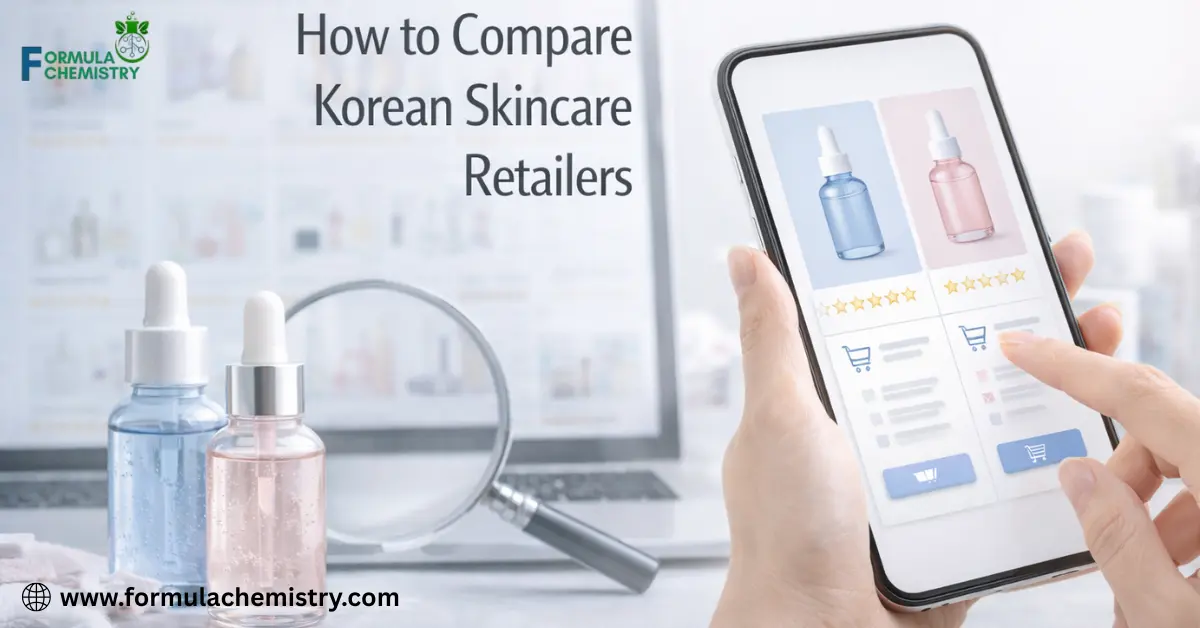
How to Compare Korean Skincare Retailers
| Retailer | Shipping Origin | Authenticity Guarantee | Typical Shipping Time | Best For |
| Olive Young | South Korea | 100% (Direct) | 5–10 Days | Trending & New Releases |
| YesStyle | Hong Kong/Korea | High | 14–21 Days | Huge Selection & Clothing |
| Stylevana | Hong Kong | High | 15–30 Days | Lowest Prices/Bulk Buying |
| Soko Glam | USA | 100% (Curated) | 3–7 Days | Curated “Best of” Lists |
| Jolse | South Korea | 100% | 10–15 Days | Samples & K-Beauty Classics |
Evaluating Pricing and Value
While it is appealing to choose the lowest price, remember that shipping costs can offset the savings.
Some sites offer lower base prices but charge $20+ for shipping.
Formula Chemistry Tip: Look for sites that offer reward programs or free samples, as these allow you to test new ingredients like bifida ferment or mugwort before committing to a full-sized bottle.
Understanding Packaging and Expiration Dates
Korean products use a different dating system than Western products. You will often see the word “제조” (Manufactured) or “까지” (Expiry).
Fix: Always ensure you are looking at the expiry date, not the manufacturing date.
Most unopened Korean skincare has a shelf life of 30–36 months, but once opened, the PAO (6M or 12M) takes precedence.
Start your path to clearer, calmer skin with Discovering Anua Skincare: A Journey to Calm, Balanced, and Healthy Skin.
Formulation Safety and Ingredient Considerations
When buying K-beauty, you are often dealing with high concentrations of botanicals and unique preservatives.
Formulators must pay attention to how these products interact with their existing routine, especially regarding pH levels and active ingredient synergy.
Patch Testing and Sensitivity
Because Korean skincare frequently utilizes fermented ingredients (like Rice Ferment Filtrate), those with fungal acne or extreme sensitivities should be cautious. Fermentation breaks down molecules for better absorption, but it can also trigger reactions in certain skin types. Warning: If you are using prescription Tretinoin or high-strength AHAs, add new K-beauty products one at a time to monitor for irritation.
Storage and Preservation
Many “Clean Beauty” Korean brands use “natural” preservative boosters like Caprylyl Glycol or Ethylhexylglycerin.
Even though effective, these formulas can be more sensitive to light and heat than those using traditional parabens.
Storage Advice: Keep your serums in a cool, dark place avoiding the bathroom if it gets excessively steamy to prevent the oxidation of antioxidants like Vitamin C or Ginseng.
FAQs about Where to Buy Korean Skincare?
How can I tell if my Korean skincare is fake?
Check the batch code on the bottom of the bottle against online databases like CheckExp. Look for misspellings on the box and verify that the brand logo corresponds to the official website exactly.
Is it safe to buy Korean skincare from Amazon?
It is safe only if the seller is the Authorized Brand Store. Look for “Sold by [Brand Name]” to ensure you are not buying from a third-party reseller who may be stocking old or counterfeit inventory.
Why is my Korean product’s date in reverse?
In Korea, dates are typically written in YYYY/MM/DD format. If you see 2026/05/12, the product expires on May 12, 2026.
Which site has the fastest shipping to the USA?
Soko Glam and Olive Young Global (via DHL) are usually the fastest, often delivering within 3 to 7 business days.
Are there any ingredients I ought to avoid mixing?
Avoid using high-percentage Vitamin C (L-Ascorbic Acid) simultaneously with high-strength Niacinamide if you have sensitive skin, as it can cause temporary flushing, though they are generally compatible for most.
Does Korean skincare contain parabens?
Many modern K-beauty brands are “Paraben-Free,” opting instead for 1,2-Hexanediol or Pentylene Glycol as humectant-preservative hybrids. Check the INCI list for particular concerns.
How do I know if a product is fungal acne safe?
Avoid products with ferments (Galactomyces, Saccharomyces) and certain oils/fatty acids (Polysorbates) if you are prone to Malassezia folliculitis.
Can I use Korean skincare while pregnant?
Most K-beauty is safe, but always look for Retinoids or high levels of Salicylic Acid. Consult your physician with the specific ingredient list before use.
- Salicyclic Acid Solubility in Glycerin, BG, and PEG-400
- Salicylic Acid Solubility in Propylene Glycol vs Ethanol
- Salicylic Acid Solubility in Water
- How to Use Salicylic Acid on Face: A Beginner’s Guide
- Salicylic Acid vs Benzoyl Peroxide Face Wash