
Introduction
For those with oily skin, finding a Oil-free toner that removes residue without stripping essential moisture is a constant battle. The “squeaky clean” feeling often leads to a rebound effect, where the skin produces even more oil to compensate for dehydration.
The solution lies in precise formula chemistry that maintains equilibrium between astringency and hydration. An ultra facial oil-free toner uses humectants and mild surfactants to refresh the skin, sustaining the subtle equilibrium of the acid mantle.
This guide examines the science behind creating and selecting the perfect oil-free toner. We take a closer look at the ingredients and molecular mechanisms that help you balance shine while keeping your skin healthy and hydrated.
What Defines an Effective Oil-Free Toner?
A high-performance toner must do more than just wet the skin; it must actively regulate the skin’s skin surface condition without adding lipids.
The Balance of Astringency and Hydration
Traditionally, toners for oily skin relied on high concentrations of denatured alcohol. While this removes oil instantly, it disrupts the skin barrier’s chemical composition.
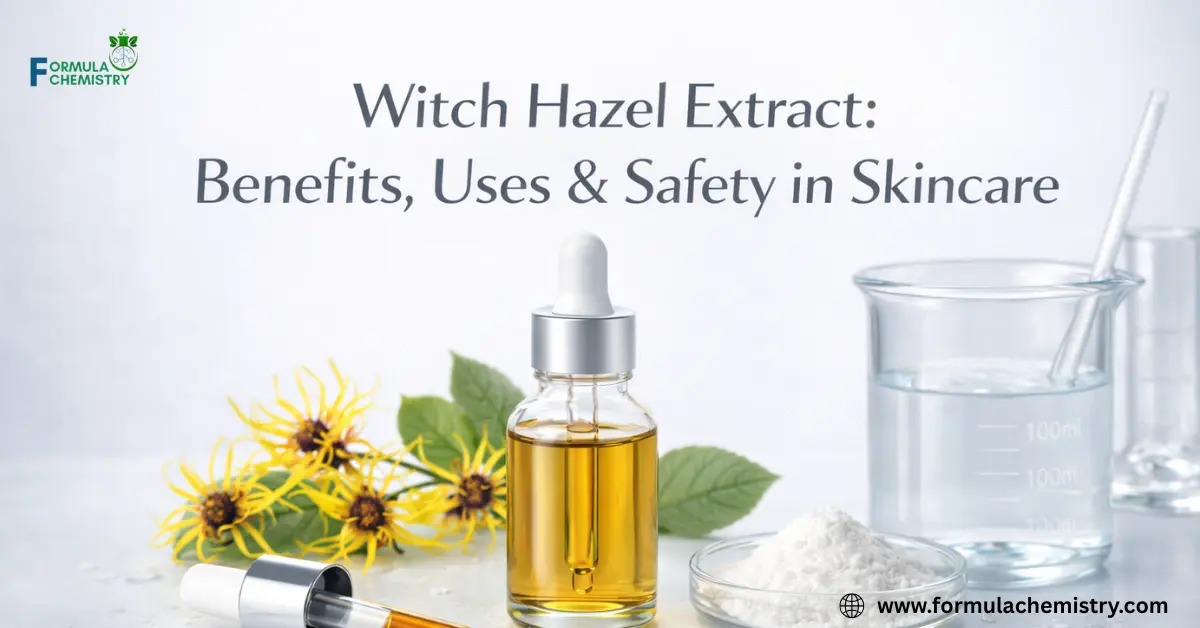
Modern Formula Chemistry skincare focuses on non-drying astringents like Witch Hazel or Cucumber Extract. These ingredients tighten the appearance of pores and remove excess sebum via mild chemical interactions rather than harsh solvent stripping.
Water-Based Delivery Systems
An oil-free toner is chemically classified as an aqueous solution.
This means that water is the solvent that carries the active ingredients. Because there are no oils to block penetration, the humectants and botanical extracts can reach the epidermis rapidly, providing an instant “refresh” sensation that cools and calms.
The Formula Chemistry of Sebum Control
Controlling shine is about regulating the sebaceous glands and absorbing excess surface lipids without clogging pores.
Pseudoalteromonas Ferment Extract
Often found in high-end “ultra facial” formulations, this glycoprotein from Antarctic sea mud protects the skin and reduces oiliness.
Its unique chemical formula helps reduce sebum accumulation. Inhibiting fibroblast adhesion prevents the shiny, greasy look that plagues oily skin types throughout the day.
Zinc PCA
Zinc is a potent inhibitor of 5-alpha reductase, the enzyme involved in oil production.
When paired with PCA (Pyrrolidone Carboxylic Acid), a natural moisturizing factor, it becomes bioavailable. This combination hydrates the skin while chemically instructing the pores to produce less oil, tackling the source cause of the shine.
Hydration Without Heavy Lipids
Oily skin is often dehydrated, lacking water despite having an abundance of oil; the right toner fixes this paradox.
The Role of Humectants
Ingredients like Glycerin and Propanediol are essential in oil-free toners.
They possess a hydrophilic (water-loving) chemical formula. They draw moisture from the air and lock it into the top layer of the skin. This plumps the cells, reducing the appearance of pores and fine lines without adding a single drop of grease.
Imperata Cylindrica Root Extract
This botanical is famous for its ability to survive in desert saline environments.
In Formula Chemistry formulations, it acts as an osmoprotectant. It helps skin cells retain water even in dry conditions, ensuring your oil-free routine doesn’t leave your face feeling tight or parched.
Key Ingredients Breakdown: The Chemical Formula
To truly understand how this toner works, we must analyze the specific function of its core components.
Allantoin
Extracted from the comfrey plant, Allantoin is a keratolytic agent.
It softens the keratin in the skin, helping dead skin cells shed naturally. This prevents pore blockages that lead to acne, maintaining a clear, smooth surface texture.
Cucumber Fruit Extract
Beyond its spa reputation, cucumber is chemically complex.
It contains polysaccharides that create a light, breathable gel layer on the skin. This layer binds moisture and cools the skin temperature, physically reducing the inflammation that often triggers excess oil production.
Balancing the pH for Oily Skin Types
The acidity of your toner dictates whether bacteria will thrive or perish on your face.
The Acid Mantle Defense
Oily skin often has a higher pH, which can promote the growth of acne bacteria (C. acnes).
A good oil-free toner is formulated to a pH of 4.5 to 5.5. This acidity restores the formula chemistry of the acid mantle immediately after cleansing, inhibiting bacterial growth and keeping the microbiome healthy.
Enhancing Serum Absorption
Active ingredients penetrate better when the skin is pH-balanced and damp.
By neutralizing the alkalinity of tap water and cleansers, the toner prepares the skin to accept subsequent treatments. This makes your entire routine more effective and economical.
Formula Chemistry DIY: Making Your Own Oil-Free Toner
For the home formulator, creating a refreshing toner is an excellent project that requires minimal equipment but precise measurements.
The Base Solution
Start with 90% Distilled Water. Water quality is paramount in Formula Chemistry DIY to prevent contamination.
Add 3-5% Witch Hazel distillate (alcohol-free). This provides the astringent properties needed to tighten pores and remove residual oil left behind by the cleansing step.
Adding the Actives
Dissolve 2% Niacinamide and 3% Glycerin into the water phase.
Niacinamide regulates oil and brightens tone, while Glycerin hydrates. You must add a broad-spectrum preservative, such as Liquid Germall Plus (0.5%), to protect the water-based chemical formula from mold and bacteria.
Who Should Use This Toner?
While marketed as “oil-free,” this product profile suits a specific range of skin conditions beyond just the “oily” label.
Normal-to-Oily Skin
If you have an oily T-zone but normal cheeks, this toner provides balance.
It removes the shine from the forehead and nose while hydrating the drier areas. It acts as an equalizer, ensuring the entire face feels comfortable and uniform.
Sensitive Skin
Many toners for oily skin contain menthol or alcohol, which burn sensitive types.
An “Ultra Facial” style formulation usually avoids these irritants. It relies on the gentle chemistry of botanicals to refresh, making it safe for those prone to redness who still struggle with oil.
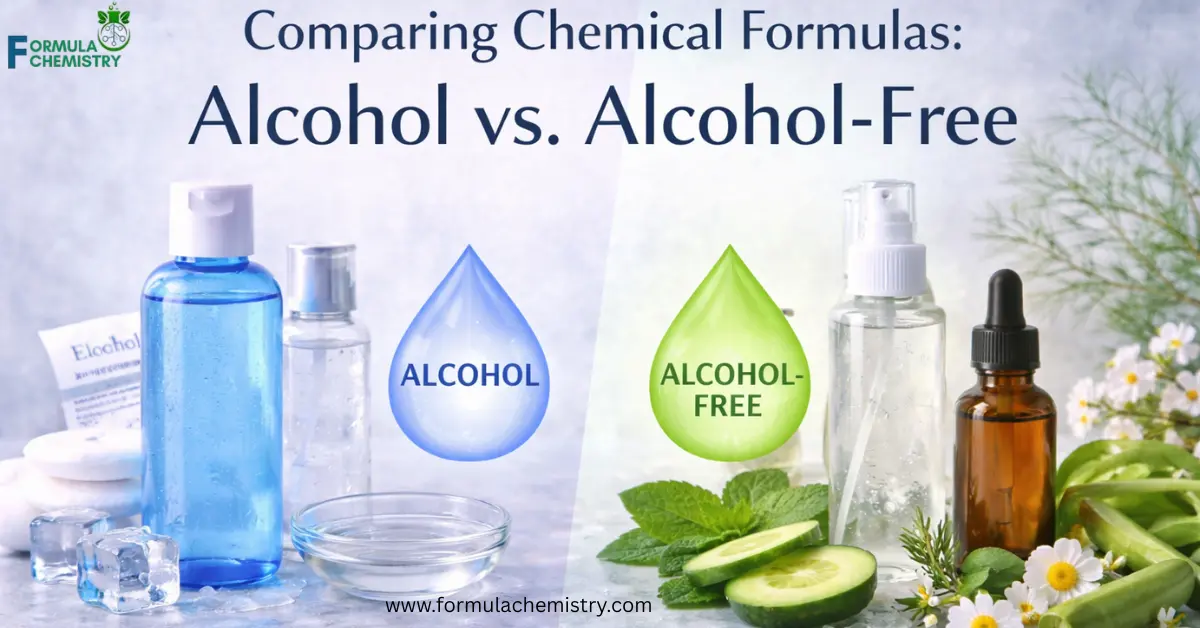
Comparing Chemical Formulas: Alcohol vs. Alcohol-Free
The debate over alcohol in toners is significant, and understanding the chemistry helps you make a safe choice.
The Danger of Simple Alcohols
Ingredients like SD Alcohol 40 or Denatured Alcohol act as solvents.
They strip away all lipids, destroying the barrier. While they provide an instant matte finish, they disrupt the cell membrane’s chemical composition, leading to prolonged sensitivity and increased oil production.
The Benefit of Alcohol-Free Systems
Oil-free does not have to mean drying.
Using solubilizers like Polysorbate 20 allows formulators to incorporate oil-soluble scents or actives into water without using ethanol. This upholds the integrity of the emulsion and the health of the skin.
Application Techniques for Maximum Absorption
How you apply the product changes how it interacts with your skin’s surface tension and absorption rates.
The Cotton Pad Swipe
Using a cotton pad provides mild physical exfoliation.
It helps remove any lingering traces of dirt or makeup cleanser. This is ideal for the evening routine, ensuring the skin is perfectly clean before bed.
The Patting Method
Pouring the toner into the hands and pressing it into the skin minimizes friction.
This technique forces the hydration deeper into the epidermis. It is the preferred method in Formula Chemistry skincare for the morning routine, creating a plump, hydrated canvas for makeup.
Safety and Preservation in Water-Based Formulas
Toning lotions are essentially water, making them the most susceptible cosmetic product to microbial contamination.
Preservative Necessity
You cannot make a shelf-stable toner without preservatives.
Bacteria thrive in neutral, watery environments. Ingredients like Phenoxyethanol or Potassium Sorbate disrupt the cellular chemical formula of microorganisms, keeping your product safe for 6-12 months.
Chelating Agents
Adding Disodium EDTA helps bind metal ions found in water.
These ions can destabilize the preservative system. By sequestering them, you ensure the toner remains clear, effective, and safe throughout its lifespan.
Conclusion
The Ultra Facial Oil-Free Toner represents the ideal marriage of nature and science, providing a solution for those who need hydration without the heaviness of oil.
By understanding the formula chemistry behind ingredients like Antarcticine and the importance of pH balance, you can control shine while supporting your skin’s health.
Whether you purchase a trusted clinical brand or explore Formula Chemistry DIY to create your own, this step is the refreshing bridge between cleansing and moisturizing that your oily skin craves.
FAQ’s about Ultra Facial Oil-Free Toner, Refresh
What does “oil-free” really mean in chemistry?
In cosmetic chemistry, “oil-free” typically means the formula excludes traditional vegetable oils, mineral oils, and animal fats. However, it may still contain “oil-like” synthetic esters or silicones that provide slip and emollience without the heavy, pore-clogging properties of traditional lipids.
Can I use this toner if I have dry skin?
While formulated for normal-to-oily types, an alcohol-free version containing glycerin and cucumber is generally safe for dry skin. However, dry skin types might prefer a milky toner containing lipids to repair the barrier rather than a clear, watery one designed to remove sebum.
Will this toner shrink my pores?
Physically shrinking pores is impossible, as their size is genetic. However, this toner can minimize their appearance. By removing excess oil and plumping the surrounding skin with hydration, the chemical formula makes the pore openings look smaller and more refined.
Is it necessary to use a cotton pad?
No, using your hands is actually more eco-friendly and wastes less product. Pressing the toner into your skin additionally supports absorption. Use a cotton pad only if you feel you need an extra cleansing step to remove residual makeup or dirt.
Can I add salicylic acid to my DIY toner?
Yes, Salicylic Acid (BHA) is a great addition for oily skin. However, it is not water-soluble. You must dissolve it in a solvent like Propanediol or use a solubilizer before adding it to your water phase; otherwise, it will crystallize and float on top.
How often should I use an oil-free toner?
You can use it twice daily, morning and night. Because it is free from drying alcohols and heavy oils, it balances the skin without causing irritation or congestion. It is the perfect prep step for both your AM sunscreen and PM night cream.
Why does my toner foam when I shake it?
Foaming in a toner is usually caused by the solubilizer (like Polysorbate 20) or a mild surfactant used to help ingredients mix. This is normal in Formula Chemistry skincare and does not mean the product is a cleanser or that it needs to be rinsed off.
Does this toner replace moisturizer?
No. While it adds hydration (water), it does not contain occlusives to lock that moisture in. You must follow with a lightweight, oil-free moisturizer or gel cream to seal the barrier and prevent the water from evaporating.