
Introduction
Tocopherol, commonly known as Vitamin E, functions as a cornerstone ingredient in modern dermatological science and cosmetic chemistry.
As a fat-soluble antioxidant, it plays a vital role in protecting cellular membranes from oxidative stress.
At FormulaChemistry, we recognize tocopherol not simply as a nutrient but as a multifunctional formulation tool that improves product stability and skin barrier resilience.
Practical formulation education at FormulaChemistry focuses on the relationship between antioxidants and lipids. Understanding how to integrate this ingredient ensures that topical applications remain effective against ecological aggressors like UV radiation and pollution.
Quick Facts
- What it is: A fat-soluble antioxidant vitamin available in several isomers, primarily Alpha-Tocopherol, in skincare.
- Who it’s for: Ideal for dry, aging, and photodamaged skin types; helpful for barrier repair.
- How to use: Apply via oil-based serums, creams, or emulsions; often paired with Vitamin C for regenerated activity.
- Typical usage range: 0.1% to 1.0% for antioxidant skin benefits; 0.05% to 0.2% for formula stabilization.
- Solubility/Compatibility: Oil-soluble; compatible with most lipids, retinoids, and Vitamin C derivatives.
- pH notes: Stable across a wide range, typically pH 3.0 to 8.0, though the ingredient itself is non-acidic.
- Common mistakes: Using high concentrations (over 2%), which can cause tackiness or breakout activity in oily skin.
- Safety note: Perform a patch test if using high-potency concentrates, as pure tocopherol can be sensitizing for some.
The Mechanism of Lipid Peroxidation Defense
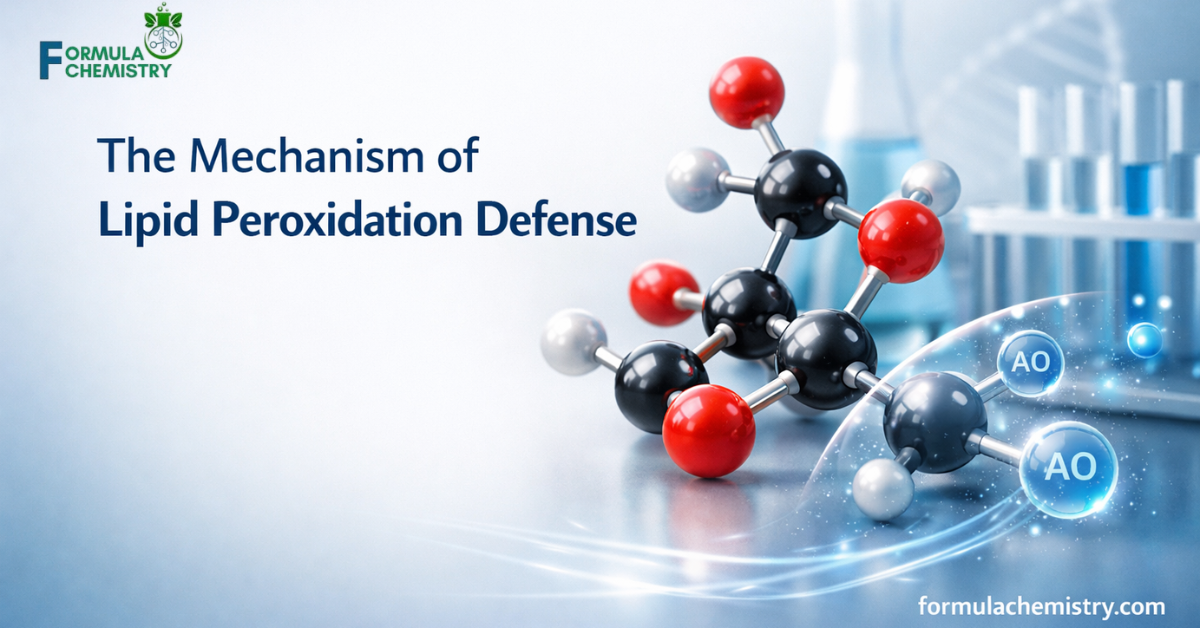
Tocopherol acts as a “chain-breaking” antioxidant. When the skin is exposed to UV light, reactive oxygen species (ROS) are generated, which attack the polyunsaturated fatty acids in cell membranes.
Tocopherol intercepts these free radicals, sacrificing its own hydrogen atom to neutralize them before they can damage the skin’s physical integrity.
This process is most efficient when tocopherol is used in conjunction with Vitamin C (Ascorbic Acid). Vitamin C recycles the tocopheroxyl radical back into its active antioxidant form, creating an unbroken cycle of protection.
What are the Main Benefits of Tocopherol in Skincare?
The application of tocopherol provides a double advantage: it protects the biological tissue of the user and preserves the integrity of the cosmetic formulation itself.
Because it is naturally occurring in human sebum, it is exceptionally bioavailable and well-tolerated by the skin’s acid mantle.
Photoprotection and Barrier Support
While tocopherol is not a replacement for sunscreen, it considerably increases the efficacy of UV filters.
It absorbs energy from UV rays and prevents the subsequent inflammatory response termed erythema. By reducing the presence of “sunburn cells,” it helps reduce long-term photoaging, such as fine lines and hyperpigmentation.
Beyond protection, tocopherol is a powerful humectant and emollient. It strengthens the skin barrier function by sealing in moisture and closing gaps between skin cells. This makes it a necessary inclusion for formulations targeting eczema-prone or chronically dry skin.
Stability and Formulation Synergy
In the context of cosmetic chemistry, tocopherol is frequently used as a secondary antioxidant to prevent the oxidation of fragile carrier oils. This prevents rancidity in anhydrous balms and oil-in-water emulsions.
FormulaChemistry recommends using a mixture of mixed tocopherols (alpha, beta, gamma, and delta) for superior formula stabilization compared to isolated alpha-tocopherol.
| Form of Vitamin E | Primary Function | Typical Usage Rate |
| d-alpha-Tocopherol | High biological activity for skin | 0.5% – 1.0% |
| Tocopheryl Acetate | Stable ester, longer shelf life | 0.5% – 5.0% |
| Mixed Tocopherols | Best for preventing oil rancidity | 0.05% – 0.1% |
| DL-alpha-Tocopherol | Synthetic, cost-effective | 0.1% – 1.0% |
[Internal link: choosing the right antioxidant for oils → (include appropriate FormulaChemistry URL)]
Selection and Application Criteria for Cosmetic Chemists
Selecting the correct form of tocopherol depends on whether the goal is biological activity or product shelf-life.
Pure tocopherol is very active but susceptible to air and light, whereas tocopheryl acetate is an ester that remains stable in the bottle but requires enzymatic conversion within the skin to become active.
Comparison of Natural vs. Synthetic Isomers
Natural tocopherol (distinguished by the “d-” prefix, such as d-alpha-tocopherol) has higher bioavailability than synthetic versions (the “dl-” prefix).
Research suggests that the skin’s receptors recognize the natural isomer more effectively, leading to better retention in the dermis.
Formula Chemistry regularly highlights the importance of sourcing high-purity lipids to ensure these antioxidants aren’t depleted by pre-existing oxidation in the raw materials.
- Common problems and fixes:
- Problem: The formulation turns brown or develops a metallic odor over time.
- Fix: Ensure tocopherol levels are at least 0.1% and check if the container is airless or opaque.
- Problem: The serum feels heavy or “tacky” on the skin.
- Fix: Reduce tocopherol to 0.5% or switch a portion of the load to Tocopheryl Acetate.
- Problem: Visible separation in an emulsion containing high Vitamin E levels.
- Fix: Increase the HLB (Hydrophilic-Lipophilic Balance) of your emulsifier system to accommodate the extra oil phase.
Integration in Water-Based Systems
Since tocopherol is hydrophobic, it cannot be stirred directly into water. It must be pre-mixed with an ethoxylated surfactant or a solubilizer if it is being added to a toner or aqueous gel.
In standard emulsions, it should be added during the cooling phase (usually below 40°C) to prevent thermal degradation, although it is more heat-stable than many other vitamins.

Safety Guidelines and Usage Considerations
While tocopherol is generally recognized as safe (GRAS), its concentration and the specific skin profile of the user are critical factors. Over-concentration can lead to skin lethargy or localized reactions.
Safety-forward guidance is a hallmark of the FormulaChemistry editorial standard, making sure that DIY and professional formulators alike prioritize skin health over “high-percentage” marketing.
Potential Sensitization and Contraindications
High concentrations of pure tocopherol (specifically exceeding 2% to 5%) have been linked to contact dermatitis in a small percentage of the population. This is often referred to as “Vitamin E induced dermatitis.”
For those with highly reactive skin, using the acetate ester version is often a safer alternative as it is less prone to immediate oxidation on the skin’s surface.
Who should avoid:
Individuals with active cystic acne or extremely oily skin should use high-tocopherol oils with caution, as they can be mildly comedogenic when delivered in certain carrier oils like cocoa butter or wheat germ oil.
Key warnings :
Include avoiding application on open wounds or fresh surgical scars unless directed by a medical professional, despite popular myths regarding its healing properties.
Proper Storage and Preservation
Tocopherol is not a preservative. A common misconception in the skincare community is that adding Vitamin E will prevent microbial growth. While it prevents the “oxidation” of oils, it does nothing to stop the growth of bacteria, mold, or yeast.
Preservation reminder:
Any formulation containing water, hydrosols, or aloe vera must include a dedicated broad-spectrum preservative (such as Phenoxyethanol or Ethylhexylglycerin) regardless of how much tocopherol is present.]
FormulaChemistry emphasizes that tocopherol should be stored in a cool, dark environment. Exposure to oxygen will rapidly deplete its antioxidant capacity, turning the liquid from a pale yellow to a deep amber or reddish-brown color, at which point it should no longer be used in formulations.
FAQ about Tocopherol Advantages for Skin: The Essential Antioxidant
Is tocopherol the same as Vitamin E?
Yes, tocopherol is the chemical name for one of the primary forms of Vitamin E. In skincare, it usually refers to alpha-tocopherol, which is the form most easily used by human skin cells.
Can I use tocopherol every day?
Yes, it is safe for daily use. In fact, daily application helps build a reservoir of antioxidants in the skin, providing better protection against natural pollutants and UV rays.
Does tocopherol help with acne?
It can help reduce the inflammation associated with acne, but because it is an oil, those with very oily skin should look for lightweight “non-comedogenic” formulations to avoid clogged pores.
Is tocopherol safe during pregnancy?
Tocopherol is considered safe for topical use during pregnancy. It is frequently found in stretch mark creams due to its ability to improve skin elasticity and hydration.
What is the ideal pH for tocopherol?
Tocopherol is quite robust and stays stable in a wide range, typically between pH 3.0 and 8.0, making it easy to include in both acidic Vitamin C serums and neutral creams.
Can tocopherol replace my sunscreen?
No. While it provides photoprotection through neutralizing free radicals, it does not block UV rays. It should be used as a supplement to, not a replacement for, an SPF 30+ sunscreen.
Why is my Vitamin E oil turning dark?
Darkening indicates oxidation. This happens when the oil is exposed to light or air. Once it turns dark orange or brown, its antioxidant benefits are lost, and it may irritate the skin.
Does tocopherol help fade dark spots?
On its own, its effect is mild. However, when combined with Vitamin C or Niacinamide, it helps accelerate the brightening of hyperpigmentation by protecting the skin from further UV-induced melanin production.