
Introduction
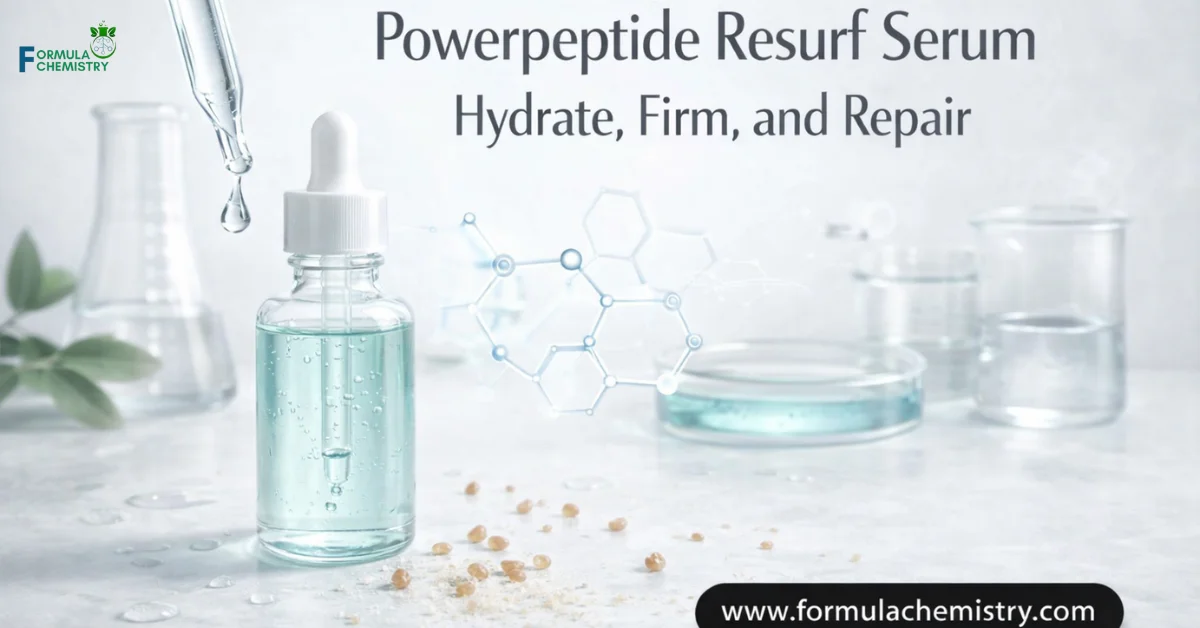
The Powerpeptide Resurf Serum embodies a sophisticated approach to biomimetic skincare, focusing on the intersection of hydration and structural protein support. In modern cosmetic science, peptides serve as cellular messengers that signal the skin to perform specific repair functions.
This formulation is designed to address the degradation of the extracellular matrix while sustaining the integrity of the moisture barrier through multi-molecular-weight humectants.
At FormulaChemistry, we focus on the chemical stability and biological availability of active ingredients to ensure that home formulators and brand owners develop products that are both efficacious and safe.
This serum avoids the aggressive peeling associated with high-percentage alpha-hydroxy acids, choosing rather a “resurfacing” effect achieved through optimized cell renewal and deep rehydration.
Quick Facts
- What it is: A concentrated aqueous serum utilizing signal peptides and humectants to improve skin texture and elasticity.
- Who it’s for: Ideal for aging, dehydrated, or depleted skin types seeking non-acidic resurfacing.
- How to use: Apply 2–3 drops to cleansed, damp skin before heavier creams or oils.
- Typical Usage Range: Peptides are generally used at 1% to 10%, depending on the specific manufacturer’s clinical data.
- pH/Solubility: Formulated at a pH of 5.0 to 5.5; water-soluble.
- Compatibility: Highly compatible with Niacinamide and Hyaluronic Acid; avoid mixing directly with strong L-Ascorbic Acid solutions.
- Common Mistakes: Applying to bone-dry skin or skipping a broad-spectrum preservative in the water phase.
- Safety Note: Always perform a patch test on the inner forearm for 24 hours to monitor for peptide sensitivities.
Mechanisms of Peptide-Led Resurfacing
Peptides are short chains of amino acids linked by peptide bonds. In the Powerpeptide Resurf Serum, these chains are engineered to mimic fragments of collagen or elastin.
When applied topically, the skin perceives these fragments as signs of protein breakdown, triggering a “repair” response that stimulates the synthesis of new collagen. This process refines the skin surface without the inflammation often caused by chemical exfoliants.
The resurfacing element is further supported by intense hydration. When the stratum corneum is fully saturated with moisture, natural desquamation enzymes (cathepsin L and chymotrypsin) function more efficiently.
This allows dead skin cells to shed naturally, disclosing a smoother, firmer complexion. Utilizing high-quality raw materials from reliable suppliers ensures these messengers remain stable throughout the product’s shelf life.
What are the Core Actives in Powerpeptide Resurf Serum?
The performance of this serum relies on a synergistic mixture of signaling peptides and moisture-binding molecules. Unlike simple hydrating toners, a resurfacing serum must penetrate the upper layers of the epidermis to interact with the cutaneous environment.
The selection of actives is governed by their molecular weight and their ability to remain stable within a specific pH window.
Signaling Peptides and Copper Complexes
Signal peptides, such as Palmitoyl Tripeptide-1 and Palmitoyl Tetrapeptide-7, are the basic components of this formula. These molecules target the skin’s basement membrane, encouraging the production of Type I Collagen, fibronectin, and hyaluronic acid.
By strengthening the structural framework of the skin, the serum reduces the appearance of fine lines and “crepiness” often found on the neck and periocular areas.
Copper peptides are also frequently included for their unique wound-healing properties.
They assist in “cleaning up” damaged collagen fibers, a process known as proteolysis, which is essential for true skin resurfacing. However, these actives entail careful handling, as they can be deactivated by high concentrations of antioxidants or acidic environments below pH 4.5.

Multi-Weight Hyaluronic Acid and Osmolytes
To provide immediate “firming” through turgor pressure, the serum utilizes a spectrum of Hyaluronic Acid (HA) molecular weights. High molecular weight HA forms a non-occlusive film on the surface to prevent transepidermal water loss (TEWL), while ultra-low molecular weight fragments penetrate deeper to hydrate the underlying layers.
This creates a “plumping” effect that physically stretches fine lines, making the skin appear smoother instantly.
Osmolytes like Betaine or Propanediol 1,3 are added to manage the water balance within the cells. These ingredients protect the skin against osmotic stress and dehydration. In professional formulation settings, guaranteeing the correct ratio of humectants to film-formers is critical for preventing the “tacky” feel common in DIY peptide serums.
Formulating for Stability and Skin Compatibility
Creating a high-performance serum like the Powerpeptide Resurf requires more than just mixing actives; it demands a thorough knowledge of aqueous chemistry. Because peptides are sensitive to heat and pH fluctuations, the manufacturing process must be tightly controlled. FormulaChemistry provides practical formulation education to help creators deal with these technical hurdles while continuing a safety-forward approach to cosmetic science.
pH Optimization and Buffer Systems
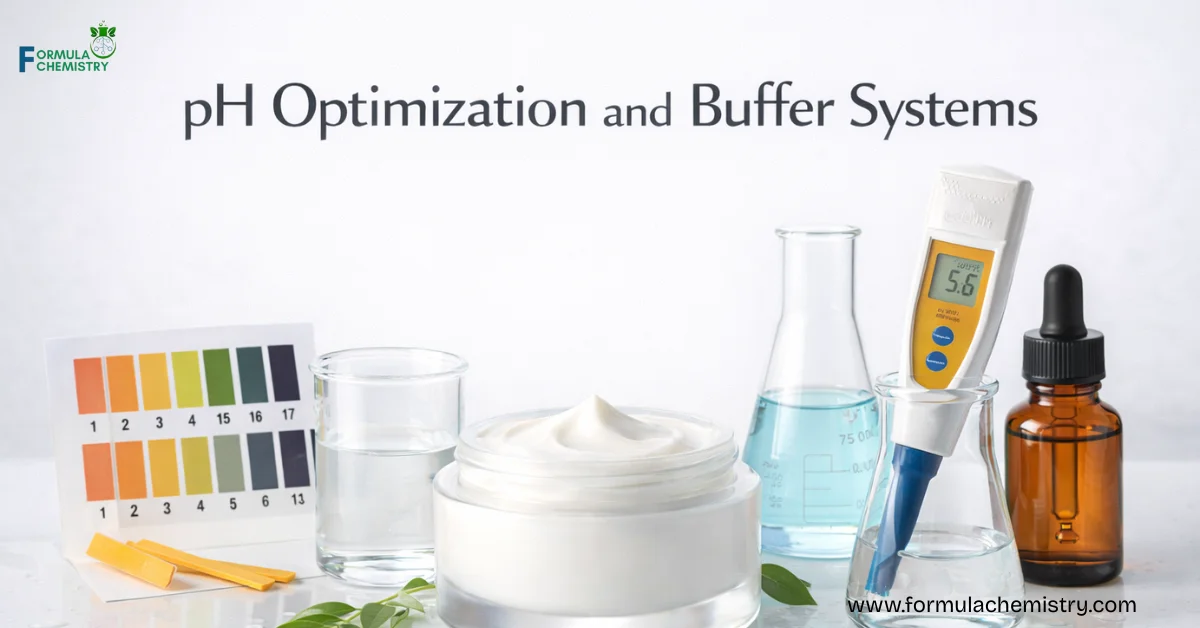
Peptides are most stable and effective within a specific pH range, typically between pH 5.0 and 6.0. If the environment becomes too acidic, the peptide chains may denature, losing their biological activity.
To prevent this, the use of a buffer system such as Citric Acid and Sodium Citrate is recommended to maintain a steady environment even when the serum is exposed to different skin conditions or air.
Monitoring the pH is also vital for the preservative system. Most broad-spectrum preservatives used in “clean” or “natural” formulations, such as Potassium Sorbate or Sodium Benzoate, are pH-dependent. If the pH rises too high, the preservative becomes ineffective, leading to microbial proliferation in the water-based formula.
Key warning: Never skip a broad-spectrum preservative in a water-based peptide serum.
| Component | Recommended Usage | Function | Compatibility Notes |
| Palmitoyl Peptides | 3% – 5% | Collagen synthesis | Avoid strong acids |
| Sodium Hyaluronate | 0.5% – 1.5% | Deep hydration | High MW can pill |
| Propanediol 1,3 | 2% – 10% | Solvent/Humectant | Enhances penetration |
| Leucidal Liquid | 2% – 4% | Preservation | Check total microbial load |
| Allantoin | 0.1% – 0.5% | Anti-irritant | Do not exceed solubility |
Tackling Common Formulation Hurdles
When working with complex actives like those in the Powerpeptide Resurf Serum, several issues can arise during the mixing or storage phases. Knowing these problems allows for preventive adjustments to the formula.
- Common problems and fixes:
- Problem: Serum feels sticky or tacky on the skin.
- Fix: Reduce the percentage of high molecular weight Hyaluronic Acid or increase the amount of Propanediol to improve “slip.”
- Problem: Peptides precipitating out of solution.
- Fix: Ensure the water phase is at room temperature before adding peptides, as some are heat-sensitive (thermally labile).
- Problem: Cloudy appearance in a clear serum.
- Fix: Look for ingredient incompatibility or ensure that any oil-soluble components are properly solubilized with a surfactant like Polysorbate 20.
- Problem: pH drifting over time.
- Fix: Implement a 0.1M citrate buffer to lock the pH within the 5.3 to 5.5 range.
Safety Procedures and Application Guidelines
While peptides are generally considered non-irritating compared to retinoids or hydroxy acids, their high biological activity requires a guarded approach.
Ensuring skin safety involves both the integrity of the formulation and the education of the end-user. FormulaChemistry emphasizes that expert-level results come from a foundation of safety and methodical testing.
Who Should Avoid and When to Use
Not every skin type reacts the same to concentrated peptide treatments. While the Powerpeptide Resurf Serum has been designed for general compatibility, certain conditions require caution.
Who should avoid:
Individuals with active cystic acne or known protein allergies should consult a professional before use. Additionally, those with highly sensitized skin barriers should focus on barrier repair before introducing active signaling peptides.
The serum is best used in the evening when the skin’s natural repair cycle is most active. However, it is safe for morning use provided it is followed by a broad-spectrum sunscreen. Because this serum encourages “resurfacing,” the new skin cells may be more susceptible to UV damage if left unprotected.
Patch Testing and Long-Term Storage
Before integrating the Powerpeptide Resurf Serum into a daily routine, a patch test is mandatory. Apply a small amount to the inner wrist or behind the ear for 24 to 48 hours. If redness, itching, or swelling occurs, discontinue use immediately.
Key warning: Do not apply to broken, irritated, or compromised skin.
For storage, the serum should be kept in a cool, dark place, ideally in an amber or opaque glass bottle.
Exposure to direct sunlight and extreme heat can accelerate the degradation of the peptide bonds and the preservative system. If the serum changes color significantly or develops an unusual odor, it should be discarded.
As an editorial responsibility, FormulaChemistry reminds users that homemade formulations typically have a shorter shelf life than commercial products and should be monitored closely for stability.
FAQ about Powerpeptide Resurf Serum Hydrate, Firm, and Repair
Can I use this serum with Retinol?
Yes, peptides and Retinol work well together. Peptides may help reduce some of the irritation associated with Retinol by supporting the skin’s physical integrity.
How long does it take to see results?
While hydration is immediate, the “firming” and “resurfacing” effects of peptides typically require 4 to 8 weeks of regular daily use to correspond to the skin’s natural turnover cycle.
Is this serum safe for pregnant or breastfeeding individuals?
Peptides are widely regarded as safe for topical use during pregnancy, but we always recommend showing the full ingredient list to your healthcare provider.
Can I mix this serum directly into my moisturizer?
It is better to layer the serum. Mixing it directly can alter the preservative system and pH of both products, which may reduce efficacy or safety.
What is the ideal pH for this serum?
The serum should be maintained at a pH of 5.0 to 5.5 to ensure peptide stability and skin barrier compatibility.
Does this serum replace Vitamin C?
No, they serve different functions. Vitamin C is a potent antioxidant, while this serum focuses on structural repair. Use Vitamin C in the morning and Powerpeptide Resurf at night.
Why does my serum look cloudy?
Cloudiness usually indicates that an ingredient has not fully dissolved or there is an incompatibility between a botanical extract and the peptide complex.
Can this be used around the eyes?
Yes, as long as it does not contain added fragrances or essential oils that might irritate the delicate ocular area. Avoid direct contact with the eyes.