
Introduction
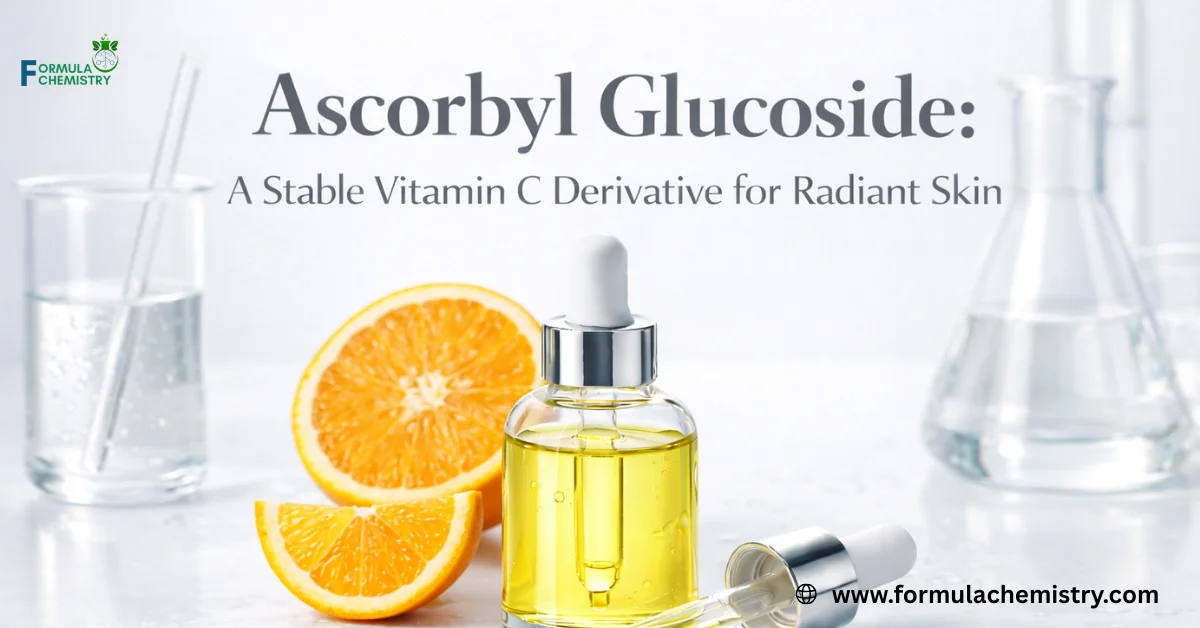
Vitamin C is a gold standard in skincare for brightening and anti-aging, but its pure form, L-Ascorbic Acid, is notoriously unstable. It oxidizes rapidly in water, turning brown and losing efficacy, which creates a major challenge for cosmetic formulators.
Ascorbyl Glucoside offers an elegant solution to this problem. This water-soluble derivative binds ascorbic acid to a glucose molecule, protecting it from oxidation while in the bottle.
Once applied to the skin, natural enzymes break the bond, releasing pure Vitamin C exactly where it is needed. Formula Chemistry provides practical formulation education and safety-forward guidance to help you master sophisticated ingredients like Ascorbyl Glucoside.
Quick Facts
- INCI Name: Ascorbyl Glucoside
- Function: Antioxidant, Skin Brightening Agent, Collagen Promoter
- Typical Usage Rate: 2.0% – 5.0% (up to 2.0% is standard for general brightening).
- Solubility: Highly water-soluble; easy to incorporate into serums and toners.
- Optimal pH Range: Stable between pH 5.0 – 8.0 (unlike L-Ascorbic Acid, which needs pH <3.5).
- Compatibility: Excellent with Niacinamide, Hyaluronic Acid, and other antioxidants.
- Appearance: White to pale yellow crystalline powder.
- Safety Note: Typically well-tolerated, but always patch test; formulation requires a broad-spectrum preservative.
- Key Benefit: Resists discoloration and degradation better than pure Vitamin C.
What Sets Ascorbyl Glucoside Apart from L-Ascorbic Acid?
The primary distinction is in molecular stability. L-Ascorbic Acid has a reactive enediol structure that makes it highly susceptible to oxidation when exposed to light, air, or water. Ascorbyl Glucoside stabilizes this reactive group by attaching a glucose molecule (sugar) to the hydroxyl group of the ascorbic acid.
This glucose “shield” prevents the molecule from reacting prematurely in the formula. It allows the ingredient to remain stable in water-based solutions for significantly longer periods. For consumers, this means the product remains effective from the first drop to the last, without the rapid browning associated with traditional Vitamin C serums.
The Mechanism of Enzymatic Conversion
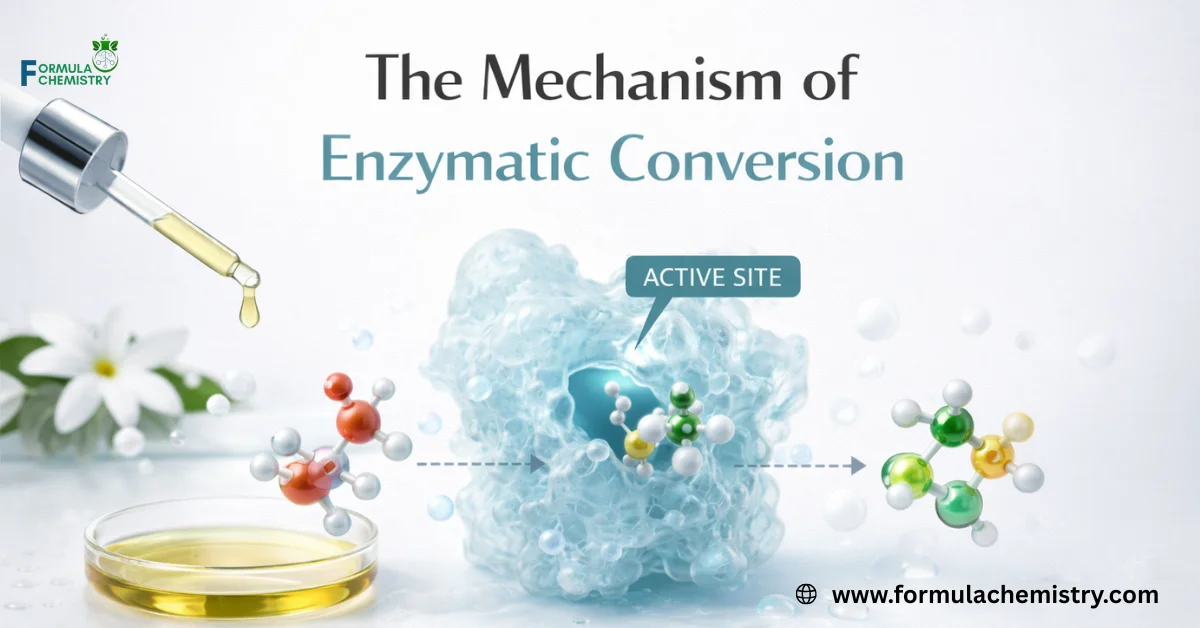
The magic of Ascorbyl Glucoside happens upon application. Human skin contains an enzyme called alpha-glucosidase. When a serum containing Ascorbyl Glucoside penetrates the stratum corneum, this enzyme attacks the glucose bond.
By cleaving the sugar molecule, the enzyme releases pure L-Ascorbic Acid directly into the skin. This gradual release mechanism not only guarantees stability but also reduces the irritation often caused by the rapid acid spike of pure Vitamin C. It provides a sustained delivery of antioxidants to neutralize free radicals and inhibit melanin production over time.
Comparative Performance in Formulation
From a chemist’s perspective, Ascorbyl Glucoside is far easier to work with than its acidic counterpart. L-Ascorbic Acid requires a very low pH (below 3.5) to penetrate the skin, which is able to disrupt the skin barrier and cause stinging.
Ascorbyl Glucoside, however, is stable at a neutral pH of 5.0 to 7.0. This allows it to be paired with sensitive-skin-friendly ingredients that would otherwise degrade in acidic environments.
It also simplifies the preservation strategy, as you do not need to rely on extreme acidity to keep the molecule intact.
Table: Vitamin C Derivatives Comparison
| Feature | L-Ascorbic Acid | Ascorbyl Glucoside | Sodium Ascorbyl Phosphate |
| Stability | Low (Oxidizes quickly) | High (Glucose bond) | High (Salt form) |
| Water Solubility | High | High | High |
| Optimal pH | < 3.5 (Acidic) | 5.0 – 8.0 (Neutral) | 6.0 – 7.0 (Neutral) |
| Potency | Very High | High (Post-conversion) | Moderate (Acne focus) |
| Irritation Potential | High | Low | Low |
For a deeper look at how antioxidants boosts glow and fights signs of aging, check out our complete guide on Ferulic Acid for youthful-looking skin.
Formulating with Ascorbyl Glucoside: Best Practices
To maximize the efficacy of Ascorbyl Glucoside, it should be added to the water phase of your formulation. It dissolves readily in water, but heating can accelerate the process.
Most suppliers recommend adding it at temperatures below 50°C to avoid any possible heat-induced degradation, although it is heat-stable compared to L-AA. A chelating agent is mandatory when working with any Vitamin C derivative.
Trace metal ions in water can catalyze oxidation, leading to discoloration even in stable forms. Adding 0.1% – 0.2% Disodium EDTA or Sodium Phytate will inactivate these ions and preserve the clarity of your serum.
Optimizing pH for Stability and Activity
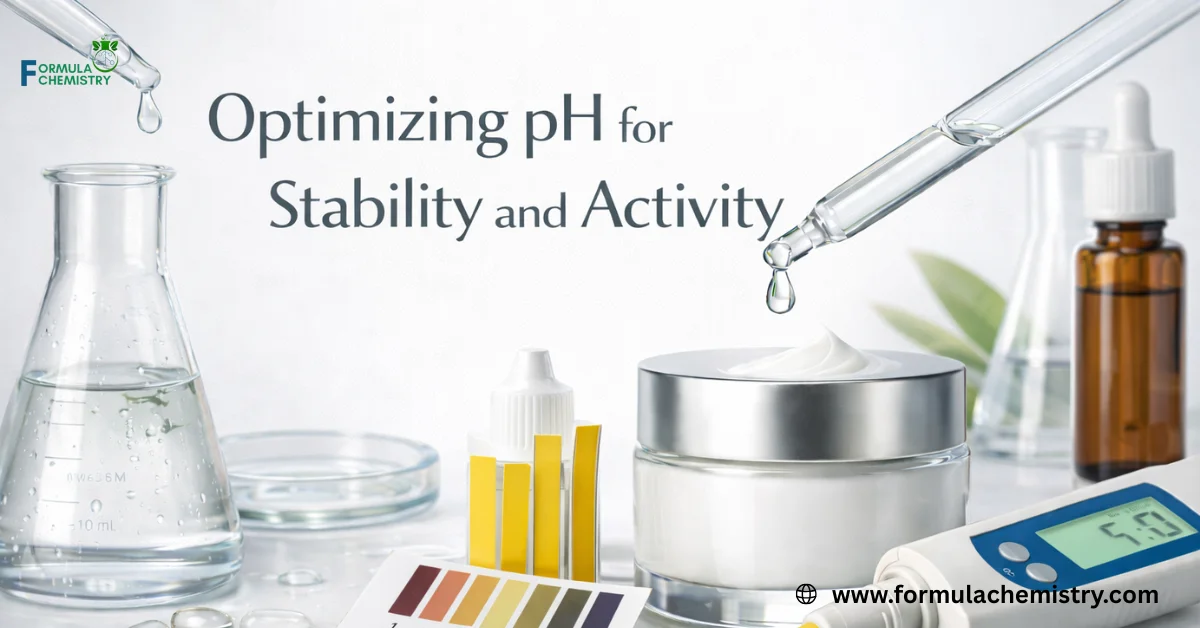
While Ascorbyl Glucoside is stable across a broad pH range, keeping the pH between 6.0 and 7.0 is ideal for extended stability. If the pH drops too low (below 5.0), the glucoside bond may hydrolyze prematurely in the bottle.
If it rises too high (above 8.0), the molecule can degrade via different pathways. To adjust the pH, use a standard neutralizing agent like Sodium Hydroxide or Triethanolamine solution.
Because Ascorbyl Glucoside is essentially a neutral salt in solution, it will not drastically lower the pH of your formula as L-Ascorbic Acid does. Always check the final pH after all ingredients are added to ensure it falls within the safe zone.
Synergistic Ingredients for Augmented Brightening
Ascorbyl Glucoside pairs exceptionally well with Niacinamide (Vitamin B3). Unlike L-Ascorbic Acid, which can form a complex with Niacinamide at low pH, causing flushing, Ascorbyl Glucoside works at the neutral pH where Niacinamide is most stable.
This combination targets hyperpigmentation through two different pathways: inhibiting tyrosinase and blocking melanosome transfer. It also works well with Hyaluronic Acid for hydration and Tocopherol (Vitamin E) for antioxidant synergy.
When designing a “glow” serum, consider adding dipotassium glycyrrhizate (Licorice Root) to further soothe the skin and boost the brightening effect without adding irritation.
Troubleshooting Common Formulation Issues
Despite its stability, Ascorbyl Glucoside is not immune to formulation challenges. A common issue is a gradual yellowing of the product over time. While this is less severe than the browning of L-Ascorbic Acid, it indicates that some level of oxidation or hydrolysis is occurring.
This discoloration is often caused by exposure to light or heat. Packaging plays a key role here; opaque or UV-coated airless pumps are superior to clear dropper bottles. Ensure your manufacturing process limits air entrapment (aeration) during mixing, as dissolved oxygen promotes degradation.
Common Problems and Fixes
- Problem: The serum turns yellow within weeks.
- Fix: Check your pH; ensure it is between 6.0 and 7.0. Add a chelating agent (Disodium EDTA) and an antioxidant buffer like Sodium Citrate.
- Problem: The powder won’t dissolve completely.
- Fix: Ensure you are using deionized water. Warm the water slightly to 40°C and use moderate agitation. Do not exceed saturation points (usually >50% is soluble, but thickeners interfere).
- Problem: The final product feels sticky or tacky.
- Fix: Ascorbyl Glucoside can be tacky at high percentages. Reduce usage to 2% – 3% or add a slip agent like Propanediol or a lightweight silicone alternative.
- Problem: pH drifts downward over time.
- Fix: Use a buffer system (Citric Acid/Sodium Citrate) to lock the pH in place. Ascorbyl Glucoside can release trace acid as it degrades, lowering pH.
Texture and Sensory Modifications
High concentrations of Ascorbyl Glucoside can impact the viscosity of carbomer-based gels. Being an electrolyte, it can break the gel structure of traditional carbomers, turning a thick serum into a runny liquid.
To avoid this, use rheology modifiers that are electrolyte-tolerant. Xanthan Gum, Sclerotium Gum, or acrylate copolymers specifically designed for high-salt systems are excellent choices.
Alternatively, using a polymeric emulsifier like Sodium Acrylates Copolymer can create a luxurious, stable viscosity without sensitivity to ions.
FAQ’s about Ascorbyl Glucoside: A Stable Vitamin C Derivative for Radiant Skin
Is Ascorbyl Glucoside as effective as L-Ascorbic Acid?
It is considered slightly less potent immediately, but offers comparable long-term results with consistent use. Because it must be converted by skin enzymes, the delivery is slower, but this ensures better tolerance and sustained activity, making it highly effective for brightening.
Can I use Ascorbyl Glucoside with Retinol?
Yes, generally you can. Because Ascorbyl Glucoside functions at a neutral pH (unlike acidic Vitamin C), it is less likely to cause irritation when used in the same routine as Retinol. However, alternating them (AM/PM) is often the safest approach for sensitive skin.
Does Ascorbyl Glucoside cause sun sensitivity?
No, it actually protects against sun damage by eliminating free radicals caused by UV exposure. However, it is not a sunscreen substitute. It should always be followed by a wide-spectrum SPF product in your morning routine.
Is Ascorbyl Glucoside vegan?
Yes, Ascorbyl Glucoside is typically vegan. It is synthesized by combining L-Ascorbic Acid (usually from corn or fermentation) with Glucose (from starch/vegetable sources) using an enzymatic process. Always check the source with your specific supplier.
What is the best pH for Ascorbyl Glucoside?
The most stable range is pH 6.0 to 7.0. While it can tolerate pH 5.0 to 8.0, sticking to the neutral range prevents hydrolysis of the glucoside bond and guarantees compatibility with other neutral ingredients like Niacinamide.
How much Ascorbyl Glucoside should I use?
For general antioxidant protection and maintenance, 2% is sufficient. For targeting active hyperpigmentation and age spots, usage rates can go up to 5%. Higher percentages increase the risk of tackiness without necessarily doubling the conversion rate.
Is Ascorbyl Glucoside safe for pregnancy?
Yes, Vitamin C derivatives like Ascorbyl Glucoside are widely regarded as safe for use during pregnancy. It does not enter the bloodstream in significant quantities and is non-toxic. However, always consult a medical practitioner before starting new activities.
Why is my Ascorbyl Glucoside powder yellow?
The raw powder should be white to pale yellow. If it is dark yellow or orange, it has likely oxidized due to improper storage (heat/moisture) and should be discarded. Store the raw material in a cool, dry place away from light.