
Introduction
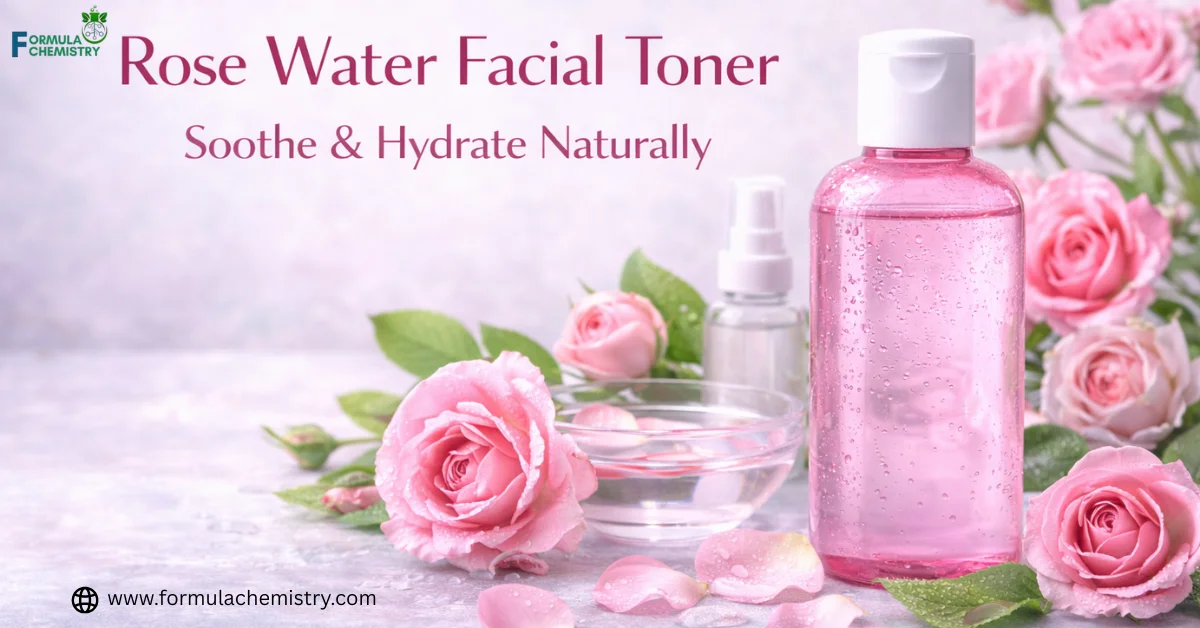
Rose water facial toner has been a beauty secret for centuries, esteemed not just for its intoxicating scent but for its profound ability to calm irritation and restore moisture. Unlike harsh astringents that strip the skin, this floral distillate works in harmony with your natural biology to refine pores and soften texture.
However, the efficacy of rose water goes far beyond ancient tradition; it is rooted in complex plant biology and thermodynamics. By understanding the formula chemistry of how this hydrosol is created, we can unlock its full potential as a high-performance skincare ingredient.
In this guide, we explore the science behind rose water, detailing how to distinguish high-quality distillates from scented water and providing a professional Formula Chemistry DIY recipe to improve your daily routine.
What Defines True Rose Water in Cosmetic Science?
Real rose water is not simply essential oil mixed with water; it is a specific byproduct of the steam distillation process known as a hydrosol.
The Distillation Process
True rose water is created when fresh rose petals are subjected to steam. This heat breaks down the cellular structure of the plant, emitting volatile compounds.
As the steam condenses back into liquid, it carries both minute traces of essential oil and hydrophilic (water-loving) plant acids. This unique chemical formula creates a colloidal suspension that is far gentler and more hydrating than essential oils alone.
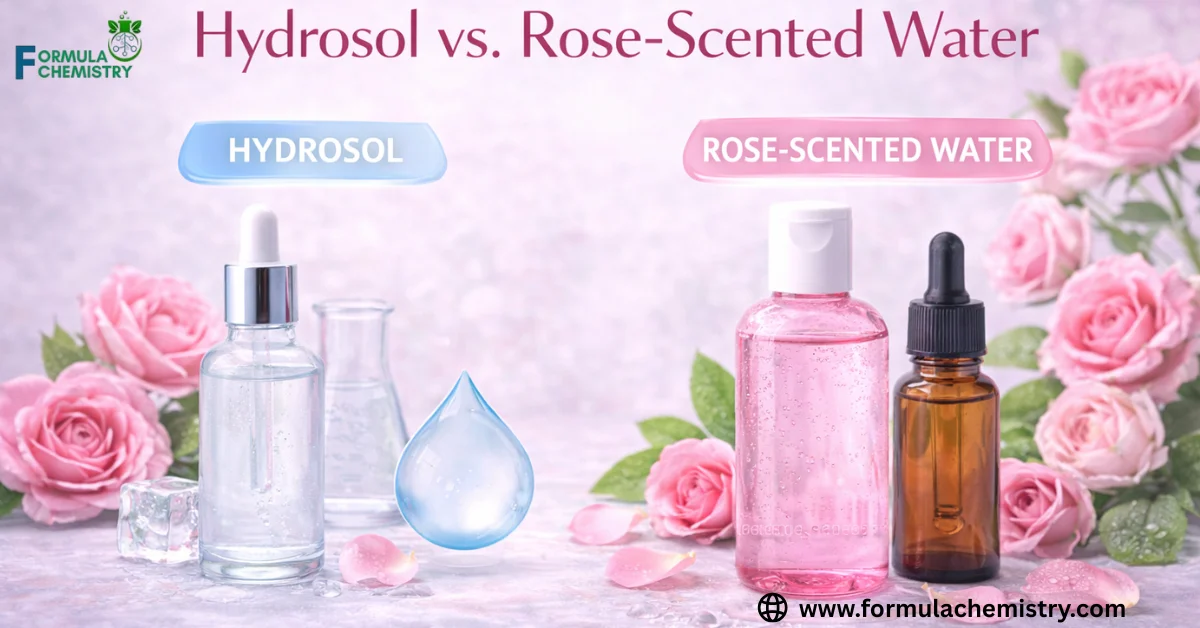
Hydrosol vs. Rose-Scented Water
Many commercial products are chemically synthesized impostors.
They typically consist of tap water, a solubilizer, and synthetic rose fragrance (Phenylethanol). In Formula Chemistry skincare, we distinguish these “floral waters” from true hydrosols because they lack the therapeutic phytochemicals found in the authentic distillate.
The Chemistry Formula of Rose Petals
To understand why rose water works, we must analyze the molecular composition of the Rosa Damascena or Rosa Centifolia petals used in production.
Phenolic Compounds and Antioxidants
Rose petals are rich in flavonoids, anthocyanins, and terpenes.
These compounds act as free radical scavengers. When applied topically, they interrupt the oxidative stress caused by UV radiation and pollution, preserving the structural integrity of your collagen and elastin.
The Role of Terpenes
Key terpenes like Geraniol and Citronellol give rose water its scent and its antimicrobial properties.
These molecules disrupt the cell membranes of bacteria. This makes rose water an excellent, gentle antiseptic for acne-prone skin, effectively reducing breakouts without the stinging sensation of alcohol.
pH Balancing and Formula Chemistry Skincare
Your skin’s acid mantle is a delicate barrier that requires a specific pH to function correctly, and rose water is nature’s perfect toner.
Restoring Acidity
Tap water often has a pH of 7.0 or higher (alkaline), which can disrupt the skin’s natural pH of 4.5–5.5.
Rose water naturally falls within a pH range of 5.0–6.0. Using it immediately after cleansing resets the skin’s environment. This is consistent with the principles of Formula Chemistry skincare, ensuring that the barrier remains intact and functional.
Preparing for Absorption
A balanced pH is important for the absorption of subsequent products.
When the skin is hydrated and pH-balanced, the permeability of the stratum corneum increases. This allows your expensive serums and moisturizers to penetrate deeper, maximizing their efficacy.
Formula Chemistry DIY: The Ice Distillation Method
You don’t need a lab to make authentic hydrosol; you can replicate the steam distillation process in your kitchen using simple thermodynamics.
The Setup
Place a heat-safe bowl in the center of a large pot. Surround the bowl with fresh, organic rose petals and just enough distilled water to cover them.
Place the pot lid upside down on top of the pot and fill the inverted lid with ice cubes. This setup creates a condenser, which is the core equipment for this Formula Chemistry DIY project.
The Distillation Mechanism
Simmer the water gently. The steam carries the rose phytochemicals upward.
When the hot steam hits the cold, inverted lid, it condenses immediately and drips into the central bowl. The liquid collected in the bowl is pure, distilled rose water—a potent hydrosol free from impurities and minerals.
Formulating a Professional Rose Toner
While pure rose water is wonderful, enhancing it with humectants turns it into a high-performance facial toner suitable for modern needs.
Adding Humectants
To boost the hydration capacity, add Glycerin or Sodium Lactate to your rose water.
We recommend a concentration of 3% to 5%. These ingredients bind water to the skin, preventing the toner from evaporating too quickly and leaving the skin feeling tight.
Solubilizing Extracts
If you wish to add extra essential oils or oil-soluble extracts, you need a solubilizer like Polysorbate 20.
Oil and water do not mix. Without a solubilizer, the oil will float on top, potentially causing irritation. A simple 1:1 ratio of solubilizer to oil ensures a stable, clear chemistry formula.
Preservation: The Critical Safety Step
Water is the source of life, and that includes microbial life; unpreserved rose water is a health risk.
Shelf Life of Hydrosols
Fresh, unpreserved rose water made at home has a shelf life of only 3–5 days in the refrigerator.
Bacteria and mold can grow invisibly long before the product smells bad. For any batch intended to last longer than a week, a broad-spectrum preservative is mandatory.
Choosing a Preservative
For a natural toner, water-soluble preservatives like Leucidal Liquid (Radish Root Ferment) or Geogard ECT are ideal.
Add the preservative once the rose water has cooled to below 40°C. This ensures the preservative’s chemical formula remains active and effectively protects your toner for 3 to 6 months.
Enhancing the Formula with Synergistic Ingredients
Rose water pairs beautifully with other botanicals and actives to target specific skin concerns effectively.
Aloe Vera for Soothing
Mixing Rose Water with Aloe Vera juice creates a powerhouse for sunburns and sensitivity.
Both ingredients contain polysaccharides that form a protective, breathable film over the skin. This combination reduces redness instantly and speeds up the healing of micro-tears.
Witch Hazel for Oil Control
For oily skin, blending Rose Water with alcohol-free Witch Hazel adds astringency.
Witch Hazel contains tannins that tighten proteins in the skin. This constricts pores temporarily and reduces oil flow, while the rose water ensures the formulation remains hydrating and balanced.
Identifying Quality Commercial Rose Water
If you prefer to buy rather than make, you must learn to decipher the label to avoid synthetic impostors.
The INCI Name
Look for Rosa Damascena Flower Water or Rosa Centifolia Flower Water as the first ingredient.
If the list reads “Water, Fragrance, Red 40,” put it back. You are paying for perfumed tap water that offers zero Formula Chemistry skincare benefits and may cause irritation.
Transparency in Sourcing
High-quality brands will often state the origin of their roses (e.g., Bulgarian or Turkish).
They will also specify that it is a steam distillate. The transparency regarding the production method is often a good indicator of the integrity of the chemical formula.
How to Incorporate Rose Toner into Your Routine
Rose water is incredibly versatile and can be used at various stages of your regimen for different benefits.
The 7-Skin Method
This Korean technique involves patting seven thin layers of toner onto the skin.
Rose water is perfect for this because it is lightweight and non-sticky. The repeated application forces hydration deep into the epidermis, plumping fine lines and creating a glass-like glow.
Setting Makeup
Decant your toner into a fine mist spray bottle.
Mist your face after applying powder. The water merges the powder with your foundation, removing the “cakey” look and leaving a natural, dewy finish that lasts all day.
Troubleshooting Common Issues
Even natural ingredients can cause reactions or behave unexpectedly if not handled correctly.
Cloudiness in DIY Toner
If your DIY toner turns cloudy, it usually means your essential oils or preservatives were not properly solubilized.
While often just an aesthetic issue, it can lead to separation. Ensure you mix your oils with the solubilizer thoroughly before adding them to the water phase of your formula chemistry.
Allergic Reactions
Rose contains natural allergens like Citronellol and Eugenol.
Always patch test on your inner arm before applying it to your face. Just because a product is natural does not mean it is hypoallergenic, especially for those with a compromised barrier.
Conclusion
Rose water facial toner is more than a romantic beauty step; it is a scientifically valid method for hydrating, soothing, and balancing the skin.
By understanding the formula chemistry of distillation and the biological activity of rose phenolics, you can ensure your skin receives the best nature has to offer.
Whether you craft a fresh batch using Formula Chemistry DIY techniques or select a premium hydrosol, rose water is a timeless essential for a healthy, hydrated complexion.
| Ingredient | Function | Weight % | Amount (ml/g) |
|---|
⚠ Professional Lab Verification Required
- Water Percentage (q.s.): Distilled water is listed as a starting estimate. In a real laboratory batch, water is added q.s. (quantity sufficient) after all other ingredients are accurately weighed to bring the total to exactly 100%.
- pH Adjustment: Citric acid percentage is a formulation starting point only. Every real batch must be verified and corrected using a calibrated pH meter to hit the target pH range precisely.
- Preservation Efficacy: Preservative performance must be validated through Challenge Testing (PET) as per ISO 11930 before any commercial or consumer use of this formulation.
- Stability Testing: This formula requires accelerated stability testing at 4°C, 25°C, and 40°C over a minimum of 12 weeks to confirm physical, chemical, and microbiological stability before market release.
FAQ’s about Rose Water Facial Toner Soothe
Can I use culinary rose water for my face?
Yes, culinary rose water is generally safe for the face as it is a pure distillate meant for consumption. However, ensure it does not contain added sugars, preservatives like potassium sorbate (which can sometimes irritate sensitive skin), or artificial flavorings.
Does rose water help with acne?
Yes, rose water has mild antiseptic and anti-inflammatory properties due to its terpene content. It helps cleanse the pores of bacteria and reduces the redness associated with acne lesions without the drying effects of harsh acne treatments.
How do I know if my rose water has gone bad?
Fresh rose water has a sweet, floral scent. If it starts to smell sour, musty, or like vinegar, it has been contaminated by bacteria. Additionally, if you see any floating strands or sediment (that wasn’t there originally), discard it immediately.
Is rose water good for rosacea?
Rose water is excellent for rosacea because of its anti-inflammatory properties and its ability to strengthen the capillaries. It cools the skin upon contact, reducing the flushing and heat sensation typically associated with rosacea flare-ups.
Can I mix Vitamin C powder with rose water?
Yes, you can dissolve L-Ascorbic Acid powder in rose water to make a fresh Vitamin C serum. However, because Vitamin C oxidizes quickly, you must make a fresh batch every few days and store it in the fridge to maintain the efficacy of the chemical formula.
Why does my rose water sting?
Pure rose water should not sting. If it does, your skin barrier might be severely compromised, or the product contains hidden alcohol or synthetic fragrances. Stop use immediately and switch to plain water or saline until your barrier heals.
What is the difference between red and white rose water?
The difference lies in the rose species used. Rosa Damascena (usually pink/red) is more fragrant and rich in essential oils. White rose water is often lighter and more subtle. Both offer similar hydration benefits in Formula Chemistry skincare, but the red variety is more potent in antioxidants.
Can I use rose water as a hair mist?
Absolutely. Rose water has a slightly acidic pH, which helps close the hair cuticle, reducing frizz and adding shine. It also hydrates the scalp and leaves a pleasant, natural fragrance in the hair without weighing it down.