
Introduction
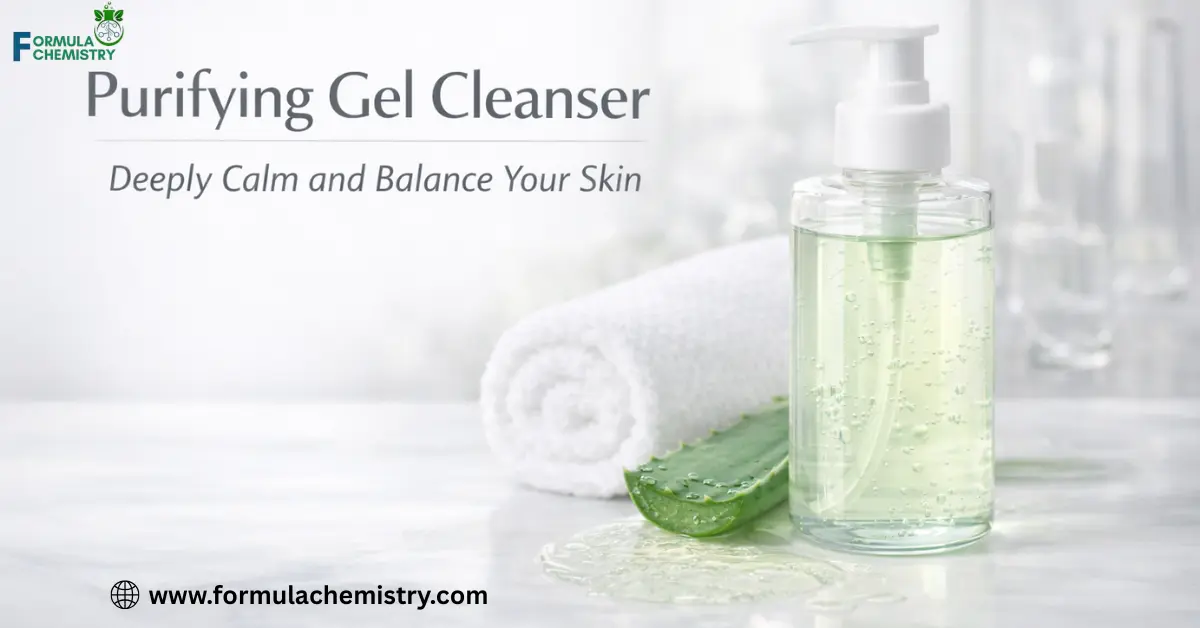
A great skincare routine begins with a clean slate, but achieving a deep clean shouldn’t come at the cost of your skin barrier. A purifying gel cleanser offers the perfect equilibrium between removing impurities and maintaining hydration levels.
Understanding the science behind cleansing ensures you select or create a product that complies with your skin’s biology. By making use of the principles of formula chemistry, we can formulate gels that rinse away debris while depositing soothing actives.
This guide examines the formulation secrets behind high-performance gel cleansers. We will decode the ingredients that purify, calm, and balance, helping you achieve a complexion that feels fresh, never tight.
Refresh dull skin with Skin Resurfacing Cleanser Anti-Aging Cleanser Recipe.
What Defines a Scientifically Balanced Gel Cleanser?
To create a cleanser that purifies without stripping, we must look at the molecular structure of the cleaning agents and how they interact with the skin surface.
The Role of Micellar Structures
Gel cleansers rely on surfactants that form micelles, spherical structures that trap oil and dirt.The efficiency of a cleanser depends on the specific chemical formula of these micelles. Ideally, they should entrap sebum and makeup particles efficiently yet rinse away freely without binding to the skin’s essential proteins.
Viscosity and Application
The “gel” texture is not just for aesthetics; it provides a cushion that reduces friction during application. In Formula Chemistry skincare, we utilize rheology modifiers to create this suspension. This thickness ensures the cleanser stays on the targeted area long enough to solubilize dirt before being washed off.
The Chemistry Formula of Gentle Surfactants
The basis of any cleanser is the surfactant system, and choosing the right combination is important for a purifying yet calming effect.
Avoiding Harsh Sulfates
Traditional sulfates like SLS have a small molecular weight that can penetrate and irritate the skin. Instead, we look for a milder chemistry formula utilizing ingredients like Coco-Glucoside or Sodium Cocoyl Isethionate. These large-molecule surfactants clean the surface effectively without disrupting the lipid bilayer.
The Power of Amphoteric Surfactants
Amphoteric surfactants, such as Cocamidopropyl Betaine, can change their charge based on pH. They are essential in Formula Chemistry formulations because they reduce the irritation potential of other surfactants. They act as a buffer, guaranteeing the foam is rich and stable but exceptionally gentle on sensitive skin.
Formula Chemistry Skincare: Calming Botanicals
A purifying cleanser goes beyond soap; it incorporates botanical extracts chemically proven to soothe inflammation and reduce redness.
Cucumber and Aloe Synergy
Aloe Vera and Cucumber extract are rich in polysaccharides and vitamins. These ingredients have a distinctive chemical formula that holds water onto the skin. They provide an immediate cooling sensation, counteracting the heat and inflammation often associated with acne-prone or congested skin.
Chamomile and Bisabolol
Chamomile contains Bisabolol, a terpene alcohol known for its anti-irritant properties.
Incorporating Bisabolol into a gel cleanser helps downregulate inflammatory cytokines. This makes certain that the act of cleansing does not trigger a redness response in reactive skin types.
Balancing the pH for Microbiome Health
Your skin’s acid mantle is its first line of defense; a balanced cleanser must respect this acidic environment to keep the skin healthy.
The Ideal pH Range
The skin naturally sits at a pH of 4.5 to 5.5. A purifying gel cleanser must be formulated within this range. If the formula chemistry is too alkaline (like bar soap), it destroys the acid mantle, allowing acne-causing bacteria to proliferate.
Protecting the Microbiome:
A balanced pH supports the beneficial bacteria living on your skin. By maintaining this acidity, you create an unfriendly environment for pathogens. This biological balance is the key to preventing breakouts and preserving a calm, clear complexion long-term.
Formula Chemistry DIY: Making Your Own Gel Cleanser
For those who want complete control over their ingredients, creating a custom gel cleanser is a rewarding entry point into cosmetic science.
Selecting the Gel Maker:
To create the gel texture, you need a thickening agent compatible with surfactants. Xanthan Gum (specifically cosmetic grade) or Hydroxyethylcellulose are popular choices in Formula Chemistry DIY. They create a crystal-clear network that suspends the cleansing agents evenly throughout the bottle.
The Cold Process Method:
Most gel cleansers can be made without heating, preserving the potency of botanical extracts.
- Phase A: Mix water, glycerin, and your gum thickener.
- Phase B: Gently stir in your surfactants (like Decyl Glucoside).
- Phase C: Add preservatives and pH adjusters.
- Result: A custom, professional-grade cleanser made in minutes.
Key Ingredients Breakdown: The Chemical Formula
Understanding the ingredient list allows you to evaluate the quality and function of any purifying cleanser on the market.
Glycerin:
The Humectant Glycerin is the gold standard for hydration in rinse-off products. Its chemicalformula allows it to bind water to the skin even during the washing process. This prevents the “squeaky clean” feeling that actually indicates barrier damage and dehydration.
Salicylic Acid (BHA)
For deep purification, Beta Hydroxy Acid is unmatched. It is oil-soluble, meaning it penetrates sebum-filled pores. Including a low percentage (0.5% – 2%) in a gel cleanser provides daily exfoliation that prevents blackheads without physical scrubbing.
How to Use a Gel Cleanser for Maximum Benefit
Even the best formula can fail if applied incorrectly; technique plays a massive role in efficacy.
The 60-Second Rule:
Surfactants need time to interact with the dirt on your face. Massage the cleanser into damp skin for at least 60 seconds. This allows the chemical formula of the actives like Salicylic Acid or soothing botanicals to penetrate the pores and perform their function before being washed away.
Emulsification and Rinsing
Don’t just splash and go. Add a little water to your hands to create a lather, then rinse thoroughly with lukewarm water. Hot water can melt natural lipids, while cold water can fail to effectively dissolve the surfactant-dirt complex.
Who Should Use a Purifying Gel Cleanser?
Gel cleansers are versatile, but their “purifying” nature makes them specifically beneficial for certain skin profiles.
Oily and Acne-Prone Skin
The purifying action targets excess sebum effectively. Because the formula chemistry is typically water-based and oil-free, it cleanses without leaving a heavy residue that could clog pores, making it the ideal texture for oily types.
Combination and Normal Skin
Those with an oily T-zone and dry cheeks benefit from the balance. A well-formulated gel removes oil from the T-zone while the added humectants protect the drier areas. It provides a “just right” cleanse that addresses duality in the complexion.
Safety and Preservation in Gel Formulations
Water-based products are breeding grounds for bacteria; a strong preservative system is absolutely essential for safety.
Broad-Spectrum Preservatives
In Formula Chemistry we place safety first above all. Ingredients, for example, Liquid Germall Plus or Geogard ECT, are essential. They disrupt the cell walls of bacteria and mold, guaranteeing the chemical formula remains sterile and safe to use for months.
Chelating Agents
Water often contains metal ions that are capable of destabilizing a formula or feeding bacteria. Adding a chelating agent like Disodium EDTA or Sodium Phytate binds these metals. This boosts the efficacy of the preservative and ensures the cleanser maintains its clearness and foam quality.
Troubleshooting Common Cleanser Issues
Whether buying or making, you may face problems like separation or lack of foam; here is the science behind the fix.
Cloudiness or Haze:
If a clear gel turns cloudy, it usually indicates an incompatibility between ingredients. This often happens when fragrance oils are not properly solubilized. In formula chemistry, using a solubilizer like Polysorbate 20 is essential to marry the oil-based scent with the water-based gel base.
Loss of Viscosity
If your thick gel turns to water over time, it may be a pH issue or bacterial contamination. Certain thickeners lose structure in acidic environments. Always check that your specific gum or polymer is stable at the final pH (usually 5.0-5.5) of your formulation.
Conclusion
A purifying gel cleanser is more than just soap; it is a sophisticated balance of surfactants, hydrators, and pH regulators. Through comprehending the formula chemistry involved from the structure of micelles to the stability of thickeners,you can ensure your daily cleanse supports, rather than compromises, your skin health.
Whether you choose a high-end clinical product or embrace Formula Chemistry DIY, the aim stays the same: calm, balanced, and deeply purified skin.
| Ingredient | Function | Weight % | Amount (ml/g) |
|---|
⚠ Professional Lab Verification Required
- Water Percentage (q.s.): Distilled water is listed as a starting estimate. In a real laboratory batch, water is added q.s. (quantity sufficient) after all other ingredients are accurately weighed to bring the total to exactly 100%.
- pH Adjustment: Sodium hydroxide and citric acid percentages are formulation starting points only. Every real batch must be verified and corrected using a calibrated pH meter to hit the target pH range precisely.
- Preservation Efficacy: Preservative performance must be validated through Challenge Testing (PET) as per ISO 11930 before any commercial or consumer use of this formulation.
- Stability Testing: This formula requires accelerated stability testing at 4°C, 25°C, and 40°C over a minimum of 12 weeks to confirm physical, chemical, and microbiological stability before market release.
FAQ’s about Purifying Gel Cleanser
Is a gel cleanser better than a cream cleanser?
It depends on your skin type. Gel cleansers are generally water-based and excellent for deep cleaning and removing oil, rendering them perfect for oily or acne-prone skin. Cream cleansers are rich in emollients and better suited for dry or sensitive skin that needs extra moisture retention.
Can I use a purifying gel cleanser twice a day?
Yes, provided it is free from harsh sulfates like SLS. A gentle, pH-balanced gel cleanser is safe for morning and night use. However, if it contains exfoliating acids like Salicylic Acid, you may want to limit it to once a day if you experience dryness.
Will a gel cleanser dry out my skin?
Not if formulated correctly. While gels are effective at removing oil, modern Formula Chemistry skincare utilizes humectants like glycerin and aloe vera to offset potential dryness. If your skin feels tight after washing, the product likely includes surfactants that are too aggressive for your barrier.
How do I thicken my DIY gel cleanser?
The most common way to thicken a Formula Chemistry DIY cleanser is using a gum like Xanthan Gum or a cellulose derivative like Hydroxyethylcellulose. Alternatively, some surfactant blends (like salt-thickening systems) increase viscosity when you add a small amount of salt (Sodium Chloride).
Do I need to use a toner after a gel cleanser?
While not strictly necessary if your cleanser is pH-balanced, a toner can add a layer of hydration and ensure that all residue is removed. It prepares the skin to absorb serums more effectively by dampening the surface.
Why is my DIY cleanser separating?
Separation usually occurs due to an imbalance between the oil and water phases or incompatible ingredients (like mixing cationic and anionic charges). Ensure you are using a solubilizer for any oils/fragrances and that your thickener is fully hydrated before mixing.
Can I add essential oils to my gel cleanser?
Yes, but use caution. Essential oils are potent and can cause irritation, especially around the eyes. In formula chemistry, we recommend keeping essential oil usage below 0.5% for facial products and always pre-mixing them with a solubilizer to prevent them from floating on top.
What is the best pH for a gel cleanser?
The ideal pH for a facial cleanser is between 4.5 and 5.5. This range mimics the skin’s natural acid mantle. Maintaining this acidity prevents bacterial overgrowth (acne) and keeps the skin barrier intact and functioning correctly.