

Introduction
Achieving resilient, gorgeous hair requires understanding both the science and proper technique. The right methods can turn lackluster hair into healthy, vibrant strands.
Great hair starts with knowing the chemistry behind your products. This guide examines proven methods to build an effective routine for your unique hair.
Here, we break down the ultimate practices for keeping hair healthy and gorgeous through the lens of cosmetic science and proper formulation.
What Defines Scientifically Healthy Hair?
Before fixing your hair, you must understand the biological and chemical structure that makes up a healthy strand.
The Structural Strength of the Cuticle
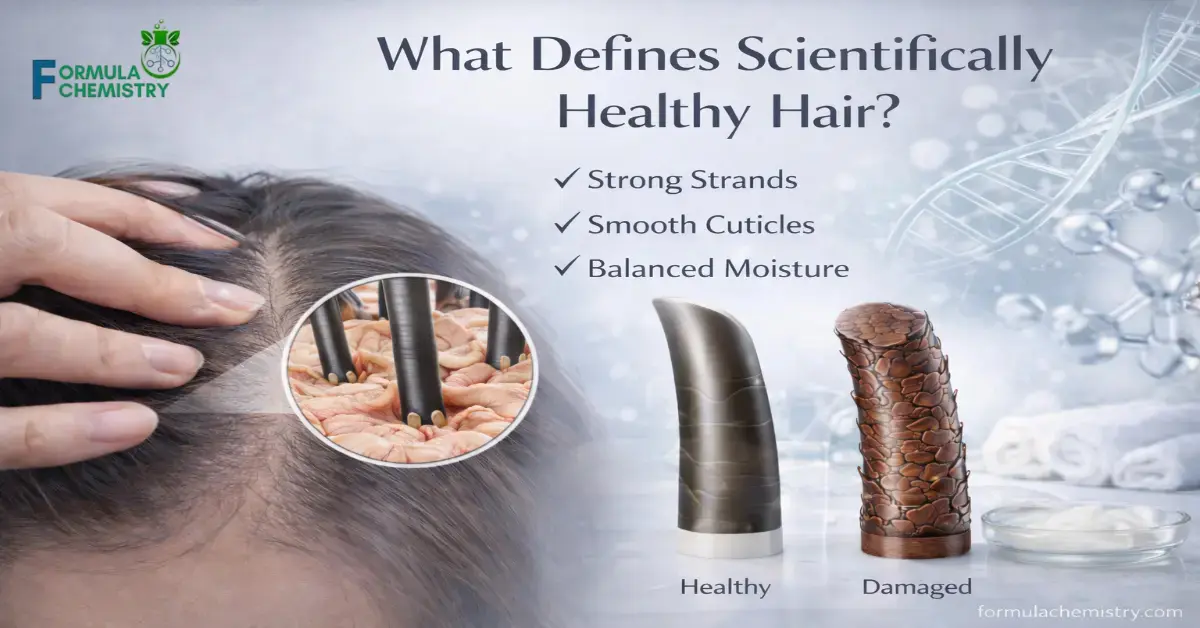
Healthy hair is defined by a smooth, closed cuticle layer. When the overlapping scales of the hair shaft lie flat, they reflect light, creating shine.
The chemical formula of human hair is primarily keratin, a tough protein. Damage occurs when this protein structure is compromised by heat or harsh chemicals, leading to the cuticle lifting and breaking.
The Importance of pH Balance
Hair naturally sits at a pH of around 4.5 to 5.5. This acidity keeps the cuticle closed and protects the inner cortex.
Many commercial products disturb this equilibrium. A key part of Formula Chemistry is making sure that anything you apply to your head respects this natural acidity to prevent frizz and friction.
The Science of Cleansing: Choosing the Right Surfactants
Washing your hair is a chemical reaction in which surfactants bind to oil and dirt, rinsing them away without stripping the fiber.
Understanding Anionic Surfactants
Shampoos rely on a specific chemical formula involving surfactants. Sulfates like Sodium Lauryl Sulfate (SLS) are effective but can be too aggressive for dry types.
For a gentler approach, look for ingredients like Cocamidopropyl Betaine or Sodium Cocoyl Isethionate. These cleanse effectively while protecting the scalp’s lipid barrier.
Frequency and Technique
Over-washing disturbs the scalp’s microbiome. Most hair types only require cleansing 2 to 3 times a week.
Focus the product solely on the scalp. As the water rinses the foam down, it gently cleans the lengths without the need for harsh scrubbing, which can cause mechanical damage.
Formula Chemistry Skincare for Your Scalp
We often treat our face with great care but neglect the skin on our heads; this is where the concept of Formula Chemistry skincare comes into play.
Exfoliation and Cell Turnover
Just like your face, the scalp accumulates dead skin cells and product residue. This can block follicles and impede growth.
Using a chemical exfoliant containing Salicylic Acid or Glycolic Acid helps dissolve these bonds. This method secures a clean environment for hair follicles to thrive.
Hydration for the Scalp
A dry scalp leads to brittle hair. Hydration is not just for the hair strands but for the skin beneath them.
Compounds such as Hyaluronic Acid or Aloe Vera can be found in scalp serums. These provide moisture without making the roots greasy, in line with the principles of effective Formula Chemistry skincare.
The Art of Conditioning: Restoring the Lipid Barrier
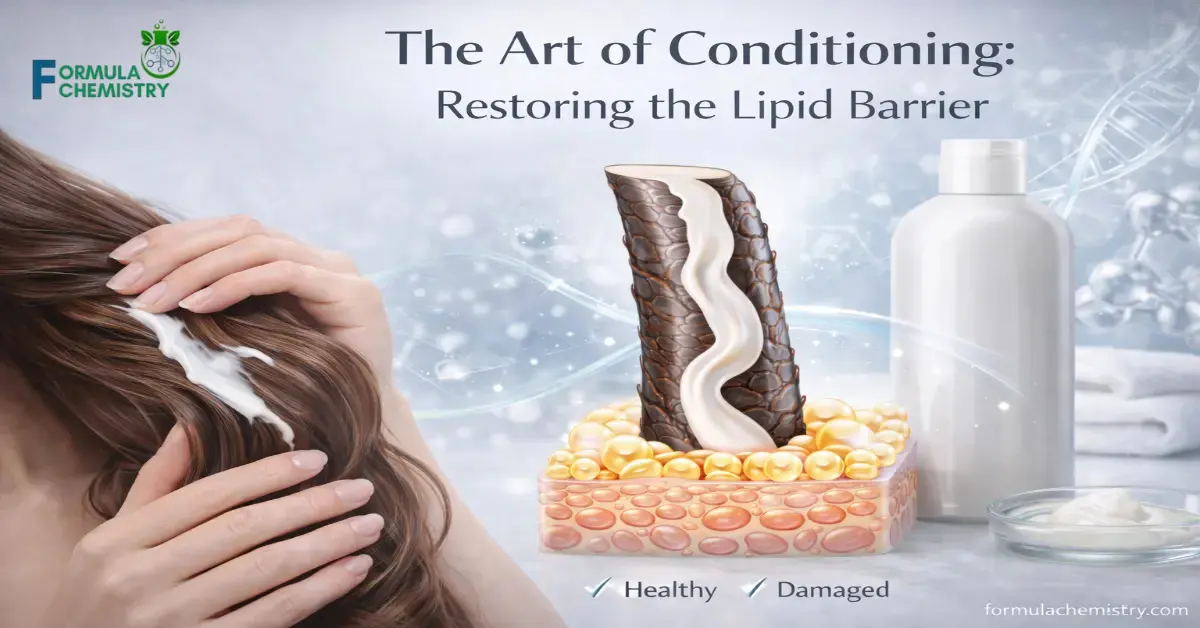
Conditioners are emulsions designed to deposit cationic (positive) charges onto the hair to neutralize the negative charge of damage.
Selecting the Right Emollients
A good conditioner mimics the hair’s natural oils (sebum). Look for fatty alcohols like Cetyl Alcohol or Stearyl Alcohol in the ingredient list.
These ingredients provide slip and softness. Unlike drying alcohols, fatty alcohols are essential for detangling and decreasing friction between strands.
Deep Conditioning Treatments
Once a week, swap your regular conditioner for a mask with a richer chemistry formula.
Deep conditioners usually contain lower-molecular-weight proteins that can penetrate the hair shaft. This reinforces the hair’s structural strength from the inside out.
Formula Chemistry DIY: Safe Homemade Treatments
For those who love to create, Formula Chemistry DIY offers a way to make fresh, preservative-free treatments at home using raw ingredients.
Rice Water Rinses
Fermented rice water is a classic DIY remedy backed by science. It contains inositol, a carbohydrate that repairs damaged hair.
When making this, ensure you let the rice ferment for 24 hours. This lowers the pH, making it compatible with your hair’s natural acidity.
Oil Blends and Macerations
Creating your own hair oil is the simplest way to get started with Formula Chemistry DIY.
You can infuse carrier oils, such as Jojoba or Coconut, with herbs like Rosemary or Hibiscus. Rosemary, in particular, has been shown to support circulation and growth comparable to pharmaceutical options.
Protecting the Hair Shaft: Heat and Environmental Defense
Protection is the most critical step in preserving the complex chemical formula of your hair proteins against denaturation.
The Mechanism of Heat Protectants
Heat styling boils the water content inside the hair shaft, causing it to expand (bubble hair).
A heat-shielding spray adds a polymer barrier, typically using silicones or hydrolyzed proteins. This barrier distributes heat evenly, preventing “hot spots” that burn the keratin.
UV and Environmental Stress
Sunlight oxidizes the hair, breaking down pigments and proteins. This is why hair lightens in the summer.
Wear a hat or use leave-in products containing UV filters. Pollution particles can also cling to hair, so regular, gentle cleansing is vital for city dwellers.
Hydration vs. Moisture: Knowing the Difference
In the world of formula chemistry, hydration refers to water content, while moisture refers to oil content.
Humectants for Hydration
If your hair seems dry and straw-like, it lacks water. You need humectants like Glycerin, Honey, or Panthenol.
These ingredients draw water from the air into the hair shaft. They are essential for elasticity and bounce.
Occlusives for Moisture
If your hair appears rough but not necessarily dry, it needs oil to seal the cuticle.
Butters, such as Shea Butter, and oils, such as Argan Oil, act as occlusives. They create a seal over the hair to lock in hydration, preventing it from evaporating.
Mechanical Care: Brushing and Sleeping
Physical handling is often the silent killer of healthy and gorgeous hair, causing breakage that no product can fix.
Detangling with Slip
Never brush wet hair with a tight-tooth comb. Wet hair is elastic and snaps easily.
Use a wide-tooth comb and start from the ends, working your way up. Consistently use a leave-in conditioner first to provide “slip” and reduce friction.
Nighttime Protection
Cotton pillowcases are absorbent and rough. They suck moisture out of your hair and cause tangles.
Switch to a silk or satin pillowcase. Alternatively, wrap your hair in a silk bonnet. This reduces friction and preserves your style overnight.
Diet and Internal Chemistry
External products can only do so much; the internal chemical formula of your body dictates the quality of the hair growing out of your head.
Protein and Amino Acids
Hair is made of protein. A diet lacking protein forces the body to shut down non-essential functions, such as hair growth.
Ensure you are consuming adequate amino acids. Cystine is the primary amino acid in keratin and is important for hair strength.
Vitamins and Minerals
Iron deficiency is a significant cause of hair loss, especially in women.
Biotin, Vitamin D, and Zinc are also critical. However, supplements should only be taken if you have a deficiency, as excess intake can sometimes cause adverse effects.
Solving Typical Hair Issues
Even with the best practices, issues arise. Here is how to tackle them using a logical approach.
Dealing with Frizz
Frizz is essentially hair seeking moisture in the atmosphere.
To combat this, ensure your hair is well-hydrated with humectants, then seal it with an anti-humidity oil or serum.
Managing Greasy Roots
If you have an oily scalp, do not stop washing your hair. This can lead to seborrheic dermatitis.
Use a clarifying shampoo with a stronger chemistry formula once a week to remove excess sebum and product residue, then balance it with a light hydrator.
Conclusion
The journey to healthy, gorgeous hair is not about buying the most expensive product; it’s primarily about understanding the formula chemistry of what you use.
By adopting a routine that aligns with the scalp’s pH balance, follows Formula Chemistry skincare principles for the scalp, and protects its protein structure, you can achieve salon-worthy results at home.
Whether you rely on store-bought science or venture into Formula Chemistry DIY, consistency and knowledge are your best tools for beautiful hair.
FAQ’s about Healthy Hairs
What is the best pH level for hair products?
The ideal pH range for shampoos and conditioners is 4.5-5.5. This range corresponds to the natural acidity of your hair and scalp, helping keep the cuticle flat, smooth, and shiny while preventing bacterial growth.
Can I use skincare products on my scalp?
Yes, utilizing Formula Chemistry skincare principles on your scalp is highly beneficial. Ingredients like salicylic acid for exfoliation, hyaluronic acid for hydration, and peptides for anti-aging are excellent for caring for a healthy environment for hair growth.
How does a heat protectant work scientifically?
A heat protectant forms a thin film over the hair shaft using polymers or silicones. This barrier conducts heat slowly and evenly, preventing the accelerated evaporation of internal moisture that can denature and break the chemical structure of hair protein.
Is silicone bad for my hair health?
No, silicones are safe and effective conditioning agents. They provide slip, shine, and heat protection. The key is to wash them out regularly with a proper cleanser to prevent buildup, which can block moisture from entering the strand.
How often should I perform a DIY protein treatment?
You should use a Formula Chemistry DIY protein treatment, such as an egg or gelatin mask, only once or twice a month. Overusing protein can make the hair rigid and brittle, leading to breakage rather than strengthening it.
Why is my hair dry even after conditioning?
If your hair remains dry, your product might lack humectants, or you may have high-porosity hair that loses moisture quickly. Look for a formula containing glycerin or aloe vera, and always seal it with an oil to lock in hydration.
Does cutting hair actually make it grow faster?
No, cutting the ends does not affect the follicles at the root where growth happens. However, regular trims prevent split ends from traveling up the hair shaft and breaking it off, which gives the appearance of healthier, longer hair over time.
What ingredients should I avoid in shampoos?
Avoid shampoos with high concentrations of harsh sulfates, such as SLS, if you have dry or colored hair. Also, avoid products with a high pH (alkaline), as they disrupt the cuticle’s formula chemistry, leading to friction, tangles, and dullness.
- DIY Barrier Repair Cream Formula: Ceramide-Based Recipe
- DIY Skincare for Acne-Prone Skin That Won’t Overdry It
- Skincare Formulation for Sensitive Skin: The pH Mistake
- Ayurvedic Skincare Formulation: Stabilizing Ancient Herbs
- Cruelty-Free Cosmetic Formulation: Not the Same as Vegan