
Introduction
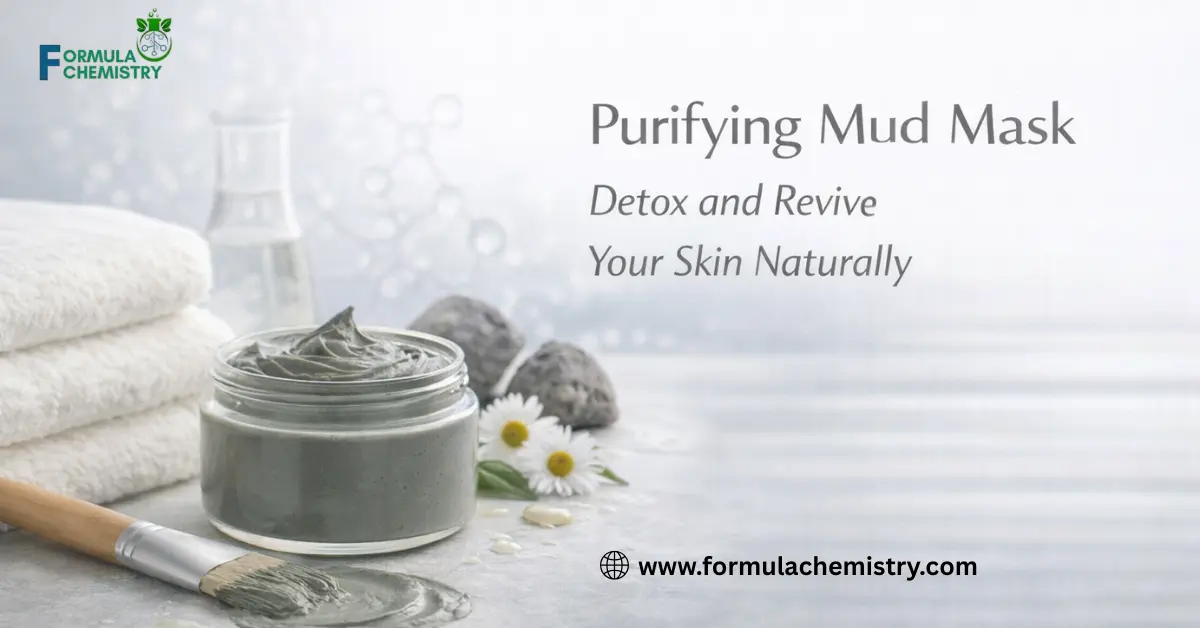
Every day, your skin acts as a defense against microscopic pollutants, exhaust fumes, and excess sebum that accumulate within your pores. Over time, this debris hardens, leading to a dull complexion, rough texture, and inevitable breakouts. Mud mask is the right solution
A purifying mud mask is not simply a spa indulgence; it is a scientifically driven treatment that utilizes the laws of physics and chemistry to extract these impurities. Through understanding the ionic charges of earth-based minerals, we can reset the skin’s biological environment.
This guide examines the formula chemistry behind mud masking. We will decode how different clays interact with your skin, how to balance detoxification with hydration, and how to create the ultimate revival treatment at home.
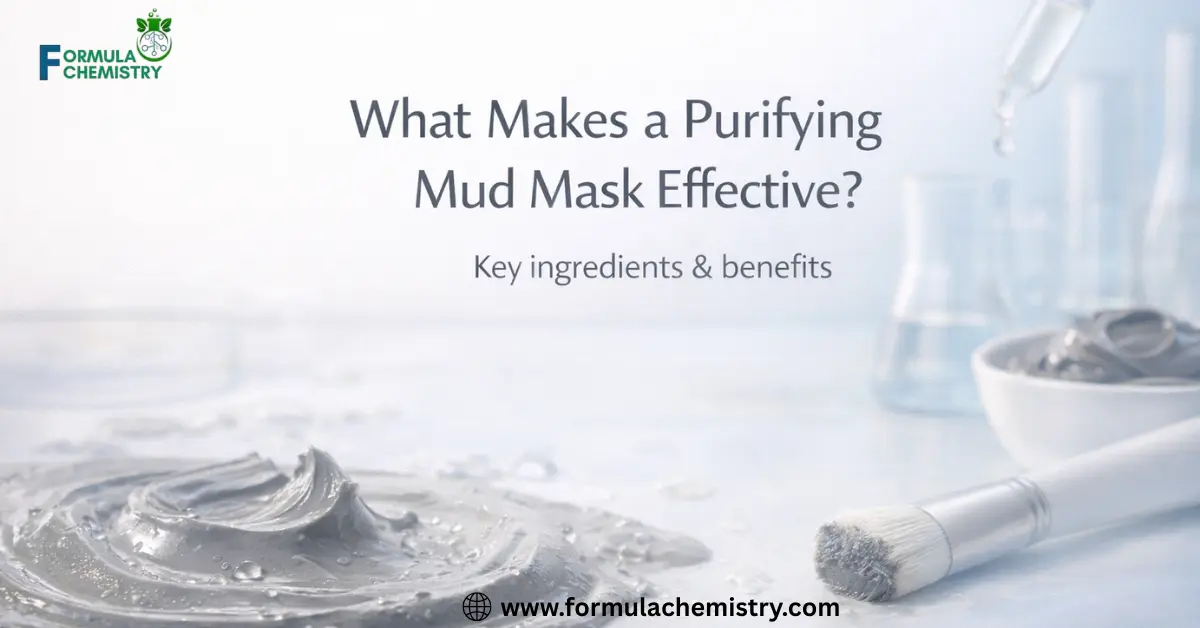
What Makes a Purifying Mud Mask Effective?
To understand the power of a mud mask, we must look beyond the texture and examine the electrical interactions occurring on the skin’s surface.
The Physics of Adsorption
The main mechanism of a mud mask is adsorption (not to be confused with absorption).
Most toxins, heavy metals, and free radicals carry a positive ionic charge. Therapeutic clays, specifically those used in Formula Chemistry skincare, carry a strong negative electrical charge. Like a magnet, the mask binds to these positively charged impurities, lifting them away from the skin surface when you rinse.
Cation Exchange Capacity (CEC)
The effectiveness of a clay is measured by its Cation Exchange Capacity.
This determines how many toxins the clay can hold. A high CEC means the chemical formula of the clay is highly reactive and powerful (like Bentonite), while a low CEC indicates a gentler, less stripping clay (like Kaolin).
Treat tired skin to a reset with Multi-Vitamin Power Recovery Mask: Ultimate Skin Rescue.
The Formula Chemistry of Different Clays
Not all muds are created equal; the mineral composition dictates the intensity of the detox and the suitability for your skin type.
Kaolin: The Mild Giant
Kaolin (China Clay) has the chemical formula Al2Si2O5(OH)4.
It has a low shrink-swell capacity and a low CEC. This makes it chemically inert and non-drying. It gently absorbs excess oil on the surface without pulling water from the deeper interstitial fluids, making it perfect for sensitive or dry skin.
Bentonite: The Swelling Clay
Derived from volcanic ash, Bentonite is made mostly of Montmorillonite.
Its chemical formula allows it to swell when mixed with water, creating a porous sponge-like structure. It creates a strong electrical charge that pulls debris from deep within the follicle, making it the top choice for acne-prone and oily complexions.
Rhassoul and French Green Clay
Rhassoul (from Morocco) is rich in magnesium and silica.
French Green Clay contains decomposed plant matter (phytonutrients). These clays not only detoxify but also exchange minerals with the skin, revitalizing the complexion through a unique nutritional transfer.
Discover gentle hydration for all over care in 1,3-Propanediol: The Versatile Hydrator for Skin & Hair.
Detox vs. Dehydration: The Moisture Balance
A common mistake in formulating mud masks is creating a product that strips the skin entirely, damaging the moisture barrier.
The Drying Effect
As water evaporates from the clay, the mask contracts.
This physical tightening stimulates blood flow (a pulsing sensation). However, if left to dry completely, the capillary action reverses, and the clay begins to draw essential hydration out of the living skin cells, disrupting the formula chemistry of the lipid barrier.
Incorporating Humectants
To prevent this damage, a well-formulated mask includes humectants like Glycerin or Honey.
These ingredients hold onto water molecules. They slow down the drying time of the mask and ensure that while the oil is being removed, the skin’s hydration levels remain stable.
Formula Chemistry DIY: The Ultimate Detox Recipe
You can create a professional-grade purifying mask in your kitchen by combining high-CEC clays with pH-balancing liquids.
The Ingredients
- Active: 1 tbsp Bentonite Clay (Deep pore cleansing).
- Detox Agent: 1 tsp Activated Charcoal powder (High surface area for adsorption).
- Liquid Phase: 1 tbsp Raw Apple Cider Vinegar (with the “Mother”).
- Soothing Agent: 1 tsp Aloe Vera Gel or Honey.
The Reaction
When you mix Bentonite with Apple Cider Vinegar, you will see a fizzing reaction.
This helps to aerate the mask and pre-hydrate the clay. The acidity of the vinegar neutralizes the high alkalinity of the clay, bringing the final pH of your Formula Chemistry DIY mixture closer to the skin’s natural level (pH 5.5).
Application Method
Mix the ingredients in a non-metal bowl (metal can deactivate the clay’s charge).
Apply a thick layer to clean skin. Leave it on for 10-15 minutes. The key is to rinse it off before it cracks and crumbles.
Improving the Formula: Botanical Additives
To upgrade a simple mud mask into a reviving treatment, we introduce botanical extracts that target inflammation and bacteria.
Tea Tree Oil and Sulphur
For acneic skin, adding a drop of Tea Tree Oil or a pinch of cosmetic-grade Sulphur powder boosts efficacy.
Tea Tree is antimicrobial, while Sulphur acts as a keratolytic agent. This combination modifies the chemical formula of the mask to actively fight P. acnes bacteria while the clay clears the physical blockage.
Turmeric and Vitamin C
To revive tired, dull skin, incorporate Turmeric or fruit powders.
Turmeric contains Curcumin, a potent anti-inflammatory that reduces redness. Vitamin C sources (like crushed freeze-dried strawberries) provide antioxidant protection, leaving the skin brighter immediately after removal.
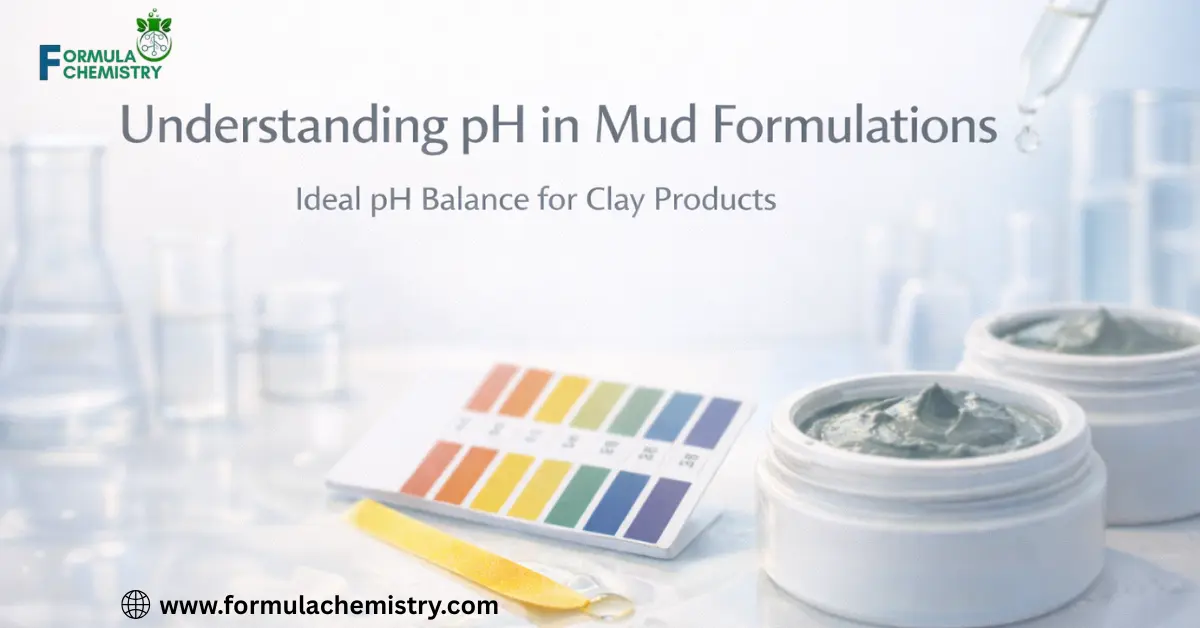
Understanding pH in Mud Formulations
The pH level of your mask determines how your skin barrier reacts post-treatment; ignoring this can lead to alkali burns or extreme dryness.
The Alkaline Nature of Clay
Most natural clays have a pH between 8 and 10.
This is significantly higher than the skin’s pH of 4.5-5.5. Applying a high-pH paste can strip the acid mantle. In Formula Chemistry skincare, guaranteeing the final product is pH-balanced is important for maintaining a healthy microbiome.
Why Water Isn’t Enough
Mixing clay with tap water (pH 7) keeps the mixture alkaline.
This is why Apple Cider Vinegar (pH 3) or Rose Water (pH 5) are superior liquid vehicles. They lower the overall alkalinity, creating a mask that purifies without shocking the skin’s protective acid layer.
The Role of Activated Charcoal
Activated charcoal is often paired with mud, but it functions via a different mechanism than the clay.
Surface Area Science
Activated charcoal is carbon that has been treated with oxygen to open up millions of tiny pores between the carbon atoms.
This creates a massive surface area. One gram of activated charcoal has a surface area in excess of 500 m². In a mask, this acts as a net, trapping surface pollutants and oils that the clay might miss.
Adsorbing Environmental Toxins
Charcoal is excellent at binding to organic compounds found in pollution.
Adding it to your formula chemistry creates a “city skin” defense system, removing the particulate matter from exhaust and smog that accelerates cellular aging.
Who Should Use a Mud Mask?
While purifying masks are synonymous with oily skin, adjusting the ingredients makes them appropriate for almost everyone.
Oily and Acne-Prone
Use high-CEC clays like Bentonite or French Green Clay.
Use them 2-3 times a week. The strong negative charge helps pull stubborn blackheads and regulate severe oil production, changing the chemicalformula of the skin environment to be less conducive to breakouts.
Dry and Sensitive
Stick to white Kaolin or Pink Clay (a mix of red and white Kaolin).
Limit use to once a week. Always mix with honey or a few drops of facial oil (like Jojoba) instead of just water. This buffers the drying effect while still permitting gentle surface purification.
Preventing the “Rebound” Oil Effect
Over-stripping the skin with harsh mud masks can backfire, causing the skin to produce even more oil to compensate.
The Feedback Loop
When the skin is completely degreased, the sebaceous glands receive a signal to go into overdrive.
This is called reactive seborrhea. To prevent this, never let the mask dry fully. Use a mist to keep it damp or rinse it while it is still slightly tacky.
Post-Mask hydration
The step immediately following the mask is important.
Apply a hydrating toner and a lightweight moisturizer immediately. This signals to the skin that its hydration levels are safe, preventing the panic-production of oil and keeping your Formula Chemistry skincare routine balanced.
Storage and Preservation of Mud Masks
Whether buying or making, understanding how to keep your mask fresh is vital for safety and potency.
Powder vs. Paste
In Hydrating Cream Cleanser for Nourished Bright Skin, it is always safer to store your mask as a dry powder mix.
Bacteria thrive in water. A pre-mixed wet mask requires a strong, broad-spectrum preservative system to prevent mold growth. Dry powders have an indefinite shelf life as long as they are kept dry.
Handling Precautions
Use a clean, dry scoop to remove powder from the jar.
If storing a pre-made wet mask, keep it in the refrigerator. This not merely inhibits bacterial growth but adds a cooling, de-puffing element to the application, reviving tired skin through thermal therapy.
Conclusion
A Purifying Mud Mask is a strong tool in your skincare arsenal, capable of resetting your skin’s health through the principles of ionic exchange and adsorption.
By picking the right formula chemistry balancing the strength of the clay with the pH of the liquid you can detoxify your pores without damaging your barrier.
Whether you rely on the mild touch of Kaolin or the deep draw of Bentonite, this natural revival treatment ensures your skin is clear, smooth, and vibrant.
FAQ’s about Purifying Mud Mask: Detox and Revive Your Skin Naturally
How often should I use a mud mask?
For oily or congested skin, using a mud mask 2-3 times a week is beneficial. For dry or sensitive skin, limit use to once a week or once every two weeks. Always monitor your skin; if it feels tight or sensitized, reduce the frequency immediately.
Why does my face pulse when the mask dries?
The pulsing sensation is caused by the mask shrinking as the water evaporates. This creates a physical tightening effect that compresses the skin and stimulates blood circulation. While it feels active, you should rinse the mask off before this sensation becomes intense to prevent dehydration.
Can I mix my clay mask with metal spoons?
It is generally advised to avoid metal utensils when mixing highly reactive clays like Bentonite. The metal can ostensibly interfere with the clay’s negative electrical charge, reducing its efficacy. Use a wooden, glass, or plastic bowl and spoon for your Formula Chemistry DIY mixes.
Should I cleanse my face before or after the mask?
Cleanse your face before applying the mask. You want the clay to work on your pores, not on a layer of makeup or sunscreen. After the mask, simply rinse with warm water; you usually do not need to wash with cleanser again unless there is heavy residue.
Does a mud mask remove pimples?
Mud masks do not “erase” pimples instantly, but they speed up the healing process. They dry out the active infection and pull out the bacteria and fluid causing the inflammation. Regular use prevents the pore blockages that lead to new pimples forming.
What is the difference between mud and clay?
Technically, clay is a specific mineral substance, while mud is a mixture of water, soil, silt, and clay. In skincare, the terms are often used interchangeably. “Mud” masks usually imply a hydrating, mineral-rich product (like Dead Sea Mud), while “Clay” masks focus more on oil absorption.
Can I use apple cider vinegar on sensitive skin?
If you have sensitive skin, be very careful with Apple Cider Vinegar. It is acidic. Dilute it with water (1 part vinegar to 3 parts water) before mixing it into your clay. If it stings, stick to plain water, rose water, or cooled chamomile tea as your liquid.
Why did I break out after using a mud mask?
This is likely a “purge.” The mask pulls deep-seated congestion to the surface, accelerating the lifecycle of a pimple that was already forming. This purging phase typically settles within a week or two, revealing clearer skin afterward.
- Salicyclic Acid Solubility in Glycerin, BG, and PEG-400
- Salicylic Acid Solubility in Propylene Glycol vs Ethanol
- Salicylic Acid Solubility in Water
- How to Use Salicylic Acid on Face: A Beginner’s Guide
- Salicylic Acid vs Benzoyl Peroxide Face Wash