

Introduction
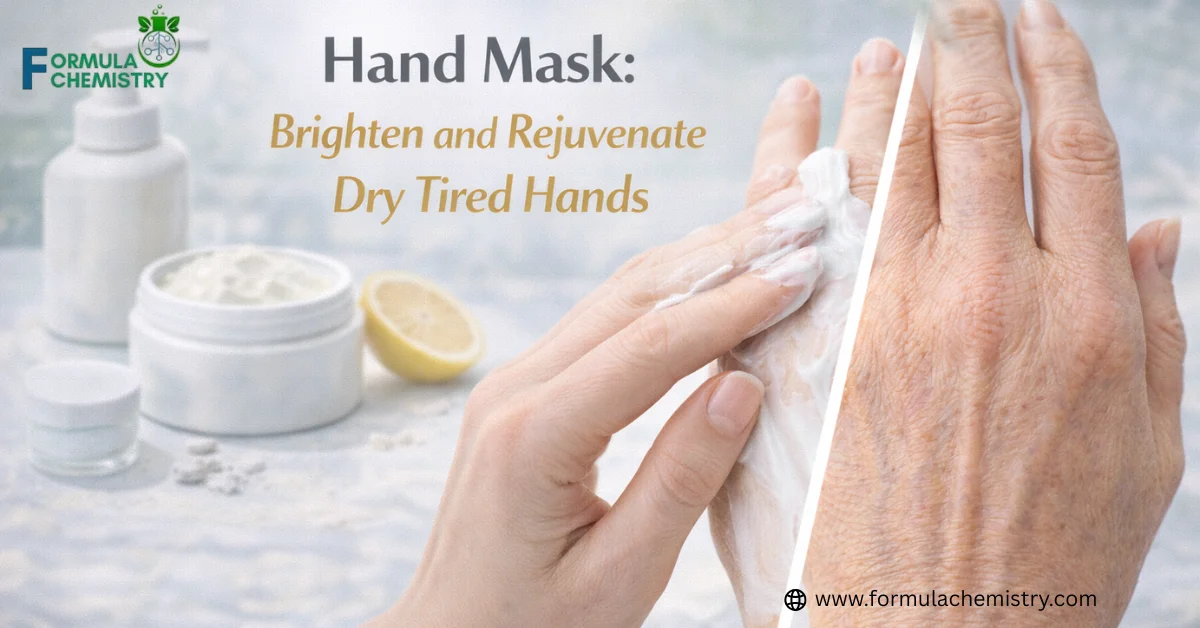
Our hand mask are the workhorses of our daily lives, yet they often show the first signs of ageing due to constant exposure and neglect. Dryness, dark spots, and crepiness are not just cosmetic issues; they are signs that the skin’s biological barrier is compromised.
A hand mask is more than a luxury; it is a concentrated delivery system designed to flood the epidermis with reparative nutrients. Unlike a standard lotion, a mask utilises occlusion to force active ingredients deeper into the tissue.
In this guide, we explore the formula chemistry behind effective hand treatments. We will examine the ingredients that brighten pigmentation, repair cracks, and restore the youthful density of your skin.
What Causes Dryness and Premature Aging in Hands?
To effectively treat the hands, we must first understand the biological variations that make this skin so vulnerable.
The Lack of Sebaceous Glands
The skin on the back of the hands has significantly fewer oil glands than the face. This means it cannot produce enough sebum to maintain its own chemical formula for protection. Without this natural lipid shield, moisture evaporates rapidly (Transepidermal Water Loss), leading to the “crepey” texture associated with aging.
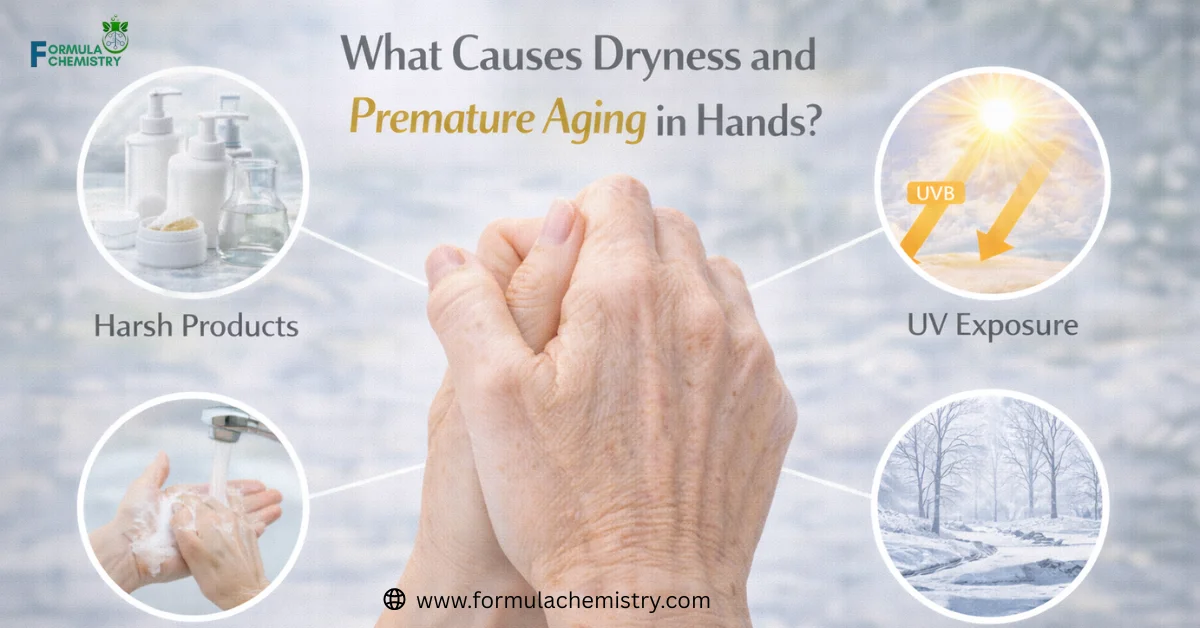
Environmental Stressors
Hands are constantly exposed to UV radiation, harsh soaps, and temperature changes.
- UV Damage: Causes collagen breakdown and melanin overproduction (age spots).
- Surfactants: High-pH soaps strip the acid mantle, leaving the barrier ragged and dry.
- Sanitizers: Alcohol-based gels dehydrate the keratin protein, making nails and skin brittle.
Reveal softer skin with Foot Peeling Cream for Smooth Hydrated Feet.
The Formula Chemistry of Brightening Agents
Fading hyperpigmentation on the hands requires ingredients that interrupt the production of melanin without causing irritation to the thin skin.
Niacinamide (Vitamin B3)
Niacinamide is a powerhouse for hand care. It prevents the transfer of pigment from melanocytes to the visible skin cells.
Additionally, it stimulates the synthesis of ceramides. In Formula Chemistry skincare, we value Niacinamide because it strengthens the barrier while brightening, tackling the two biggest hand concerns simultaneously.
Liquorice Root Extract
Liquorice contains Glabridin, a compound that inhibits tyrosinase (the enzyme that creates pigment).
Its chemical formula also includes anti-inflammatory properties. This plays a key role in the hands, as inflammation from dryness often triggers more pigmentation. It provides a gentle, brightening effect suitable for daily use.
Vitamin C Derivatives
While pure Ascorbic Acid can be irritating on cracked hands, derivatives like Tetrahexyldecyl Ascorbate are oil-soluble and gentle.
They penetrate the lipid barrier to neutralize free radicals and fade existing spots, restoring a uniform tone to the skin.
Rejuvenating Dry Skin with Lipids as well as Occlusives
Hydration adds water, but moisturization adds oil. For dry hands, you need heavy occlusives to mimic the missing natural oils.
The Power of Urea
Urea is a unique ingredient found in the skin’s Natural Moisturising Factor (NMF).
It acts as a humectant (holds water) and a mild keratolytic (softens hard skin). A hand mask containing 5-10% Urea can dissolve rough calluses on knuckles while deeply hydrating the tissue.
Shea Butter and Ceramides
Shea butter is rich in stearic and oleic acids, which provide a heavy, protective seal.
When combined with Ceramides, it repairs the “mortar” between skin cells. This restores the integrity of the formula chemistry within the barrier, stopping the cycle of cracking and bleeding.
Exfoliating Hands: The Chemistry Formula of Renewal
Dead skin cells accumulate heavily on the hands, creating a rough texture that blocks creams from absorbing.
Lactic Acid: The Hydrating Acid
Alpha Hydroxy Acids (AHAs) like Lactic Acid dissolve the bond holding dead cells together.
Lactic acid is notably effective for hands because it is a large molecule that hydrates as it exfoliates. It smooths the surface without the stinging associated with smaller acids like Glycolic Acid.
Enzymatic Exfoliation
For sensitive or eczema-prone hands, fruit enzymes (Papain or Bromelain) digest the dead protein on the surface.
This biological action smooths the skin without disrupting the pH balance, making it a safer option for a high-performance Formula Chemistry DIY treatment.
Formula Chemistry DIY: Creating a Brightening Hand Mask
You can formulate a potent hand treatment in your kitchen using bioactive ingredients that rival spa products.
The Turmeric and Yoghurt Gloved Mask
This recipe combines lactic acid for exfoliation with turmeric for brightening.
- Base: 2 tablespoons of full-fat Greek Yogurt (Source of Lactic Acid and Zinc).
- Active: 1/2 teaspoon of Turmeric Powder (Curcumin helps inhibit pigmentation).
- Humectant: 1 teaspoon of Raw Honey (Antibacterial and moisture-binding).
- Method: Mix ingredients thoroughly. Apply a thick layer to your hands.
- Occlusion: Put on disposable plastic gloves (or sandwich bags) and wrap hands in a warm towel. Leave for 20 minutes, then rinse.
Understanding Humectants vs. Emollients for Hands
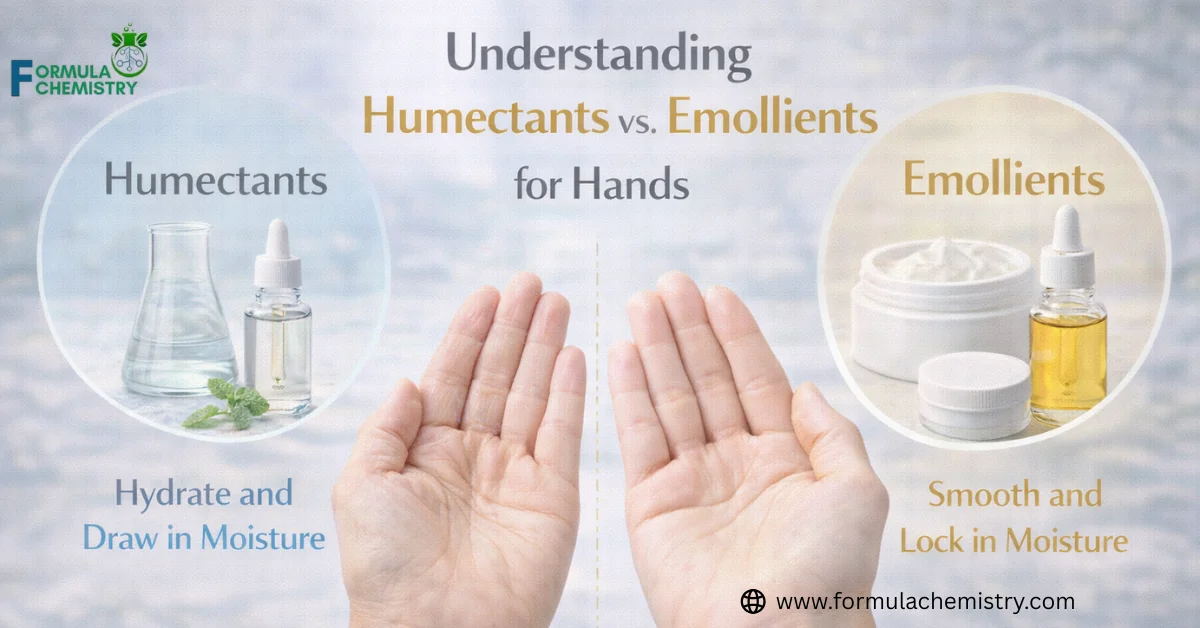
A successful hand mask must balance water-attracting ingredients with oil-providing ones.
Humectants: The Water Magnets
Ingredients like Glycerin and Hyaluronic Acid draw moisture from the environment into the skin.
However, on the hands, humectants can feel sticky. In formula chemistry, we ensure they are paired with emollients to reduce tackiness and seal the water in.
Emollients: The Softeners
Emollients like Jojoba Oil or Caprylic/Capric Triglyceride fill the micro-cracks in the skin surface.
They provide the “slip” and softness. A mask lacking emollients will leave the hands feeling dry the moment the water evaporates.
The Role of Gloves and Heat in Formula Chemistry
The efficacy of a hand mask is multiplied by the “sauna effect” created by wearing gloves.
Thermodynamics of Absorption
Heat increases the kinetic energy of the molecules in your mask, helping them move faster.
It also causes the pores to relax and the blood vessels to dilate. This bodily change allows the chemical formula of your mask to penetrate deeper than it would at room temperature.
Occlusion Effect
Wearing non-breathable gloves prevents the water content of the mask from evaporating.
This forces the hydration into the stratum corneum, swelling the cells and instantly plumping the skin to smooth out fine lines and wrinkles.
Sun Protection: The Forgotten Step in Hand Care
Brightening masks are useless if you re-expose your hands to the UV rays that caused the damage in the first place.
The Driving Factor
UV rays penetrate car windows, bombarding your hands on the steering wheel.
This cumulative exposure is the #1 cause of hand aging. You must apply broad-spectrum SPF to the backs of your hands daily.
Physical Barriers
For ultimate protection, keep a pair of UPF-rated gloves in your car.
Physical blocking is more effective than sunscreen for hands because it doesn’t wash off or rub off on clothes.
Choosing Commercial Hand Masks: What to Look For
If you prefer buying over making, understanding the ingredient list ensures you don’t buy a glorified, expensive lotion.
Foil-Lined Gloves
Premium hand masks use foil-lined gloves rather than simple plastic.
The foil reflects the body’s natural heat back onto the skin, intensifying the treatment. This is a smart application of physics to enhance Formula Chemistry skincare.
Avoid High Alcohol Content
Many cheap hand masks contain high levels of Alcohol Denat to make the serum dry quickly.
This ultimately dries out the skin and weakens the nails. Look for formulas where alcohol is absent or very low on the list.
Frequency and Maintenance of Hand Treatments
Consistency is vital; treating your hands once a month will not yield permanent results.
Weekly Intensive Treatment
Apply a mask (DIY or commercial) once or twice a week.
This regular infusion of actives supports the lipid barrier and keeps the texture smooth.
Daily Micro-Habits
Keep a pump of hand cream at every sink.
Apply it immediately after washing while the skin is damp. This locks in the water before it evaporates, preserving the chemical formula of your skin’s hydration levels.
Conclusion
Reviving dry, tired hands is a matter of grasping the distinct biology of this hardworking skin.
By utilising the principles of formula chemistry merging chemical exfoliation, brightening actives, and heavy occlusion you can reverse the signs of ageing and neglect.
Whether you mix a turmeric mask at home or invest in foil-lined gloves, the secret lies in treating your hands with the same respect and scientific care as your face.
FAQ’s about Hand Mask: Brighten and Rejuvenate Dry Tired Hands
How often should I use a hand mask?
For dry, tired hands, using a mask 2-3 times a week is ideal to restore hydration levels. Once the skin condition improves, a weekly maintenance treatment is usually sufficient to keep it soft and bright.
Can I use my face mask on my hands?
Yes, absolutely. The ingredients that benefit your face (like Hyaluronic Acid, Vitamin C, and Peptides) are equally beneficial for your hands. If you have extra serum left in a sheet mask packet, squeeze it out and apply it to the backs of your hands.
Will lemon juice brighten my hands?
While lemon juice contains Citric Acid (an AHA) and Vitamin C, it is highly acidic and can cause chemical burns or phytophotodermatitis (blistering when exposed to the sun). It is safer to use formulated products containing stable Vitamin C or Licorice Root for brightening.
Why do my hands look older than my face?
The skin on the hands is much thinner and has fewer oil glands than the face, making it prone to dryness. Additionally, hands are washed frequently and exposed to the sun constantly (often without SPF), leading to accelerated collagen breakdown and pigmentation.
Is paraffin wax safe for sensitive skin?
Generally, yes. Paraffin is an inert, petrochemical wax that is excellent for trapping moisture and heat. However, if you are sensitive to heat or have open cuts/wounds on your hands, you should avoid hot paraffin treatments.
Can I leave a hand mask on overnight?
Yes, leaving a moisturising mask on overnight (wearing cotton gloves to protect sheets) acts as an intensive treatment. This prolonged occlusion allows the formula chemistry of the lipids to fully integrate into the skin barrier.
Does sanitizing ruin my hand care routine?
Yes, frequent use of high-alcohol sanitizers strips the natural oils and dehydrates the keratin in your nails. To counteract this, apply a lipid-rich hand cream immediately after the sanitizer dries to replace the protective barrier.
What is the best ingredient for age spots on hands?
Niacinamide and Vitamin C are top choices. Niacinamide stops the pigment transfer, while Vitamin C breaks down existing pigment. Using a hand cream containing both will yield the best results over time.