

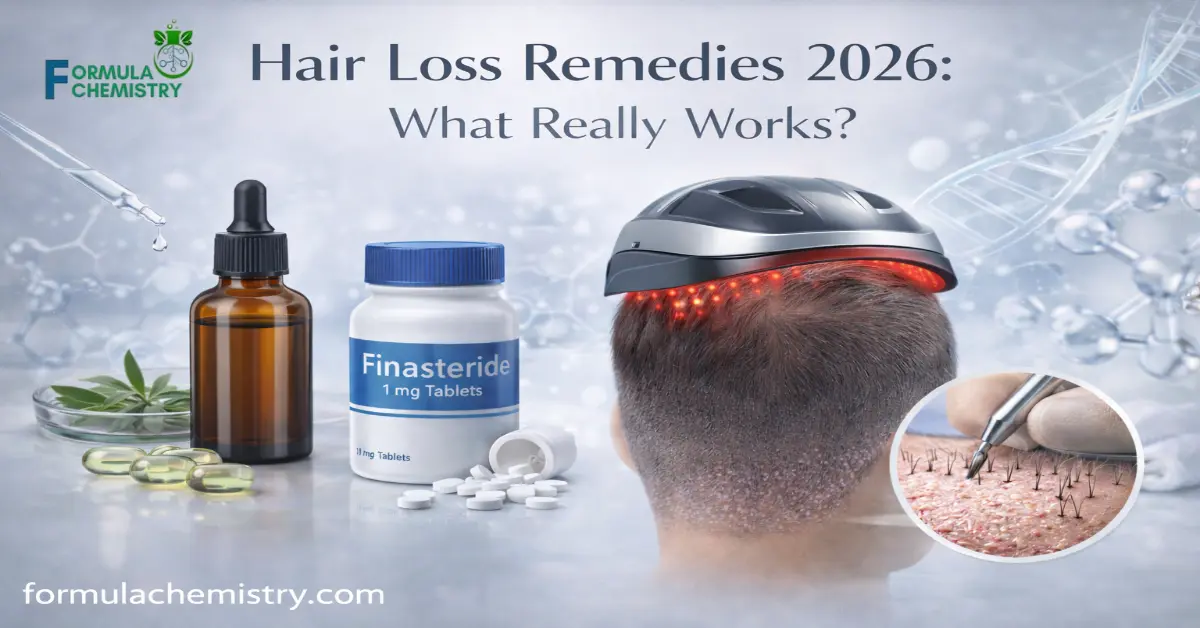
Introduction
Hair loss is a universal concern, but hair loss remedies landscape has evolved significantly, moving away from snake oil toward evidence-based science. In 2026, we have a deeper understanding of the biological mechanisms that govern follicle health and retention.
This guide cuts through the marketing noise to focus on ingredients and methods backed by rigorous formula chemistry.
Whether you are looking for advanced clinical treatments or safe home remedies, we explore the most effective solutions for restoring density and confidence.
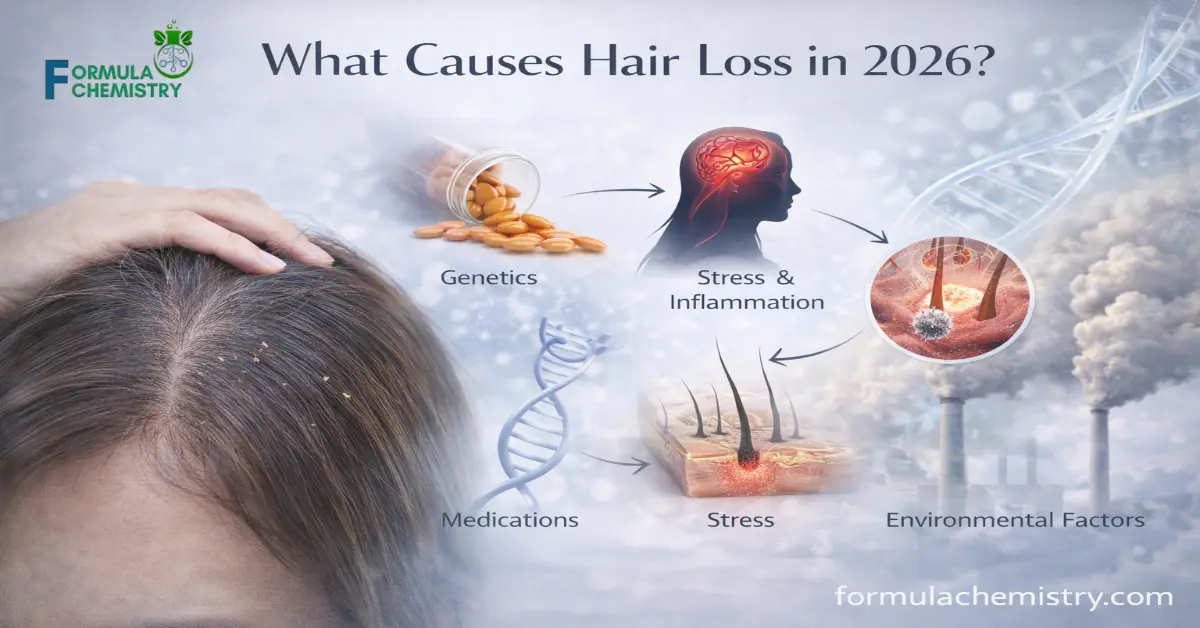
What Causes Hair Loss in 2026?
Understanding the root cause of hair loss is the first step toward effective treatment, as different triggers require different chemical solutions and formulations.
The Role of Genetics and Hormones
Androgenetic Alopecia, or pattern baldness, remains the most common culprit. It is primarily driven by Dihydrotestosterone (DHT), a hormone that miniaturizes follicles.
If you analyze the biological chemical formula of this process, DHT binds to receptors in the scalp, shortening the growth phase until the hair becomes too thin to see.
Stress and Telogen Effluvium
Physical or emotional stress can push hair prematurely into the resting phase. This results in diffuse shedding rather than a specific bald spot.
Managing cortisol levels is essential here, as stress hormones disrupt the natural cycle of hair growth and regeneration.
Nutritional Deficiencies
Hair is a non-essential tissue to the body. If your internal chemistry is off, nutrients are diverted to vital organs first.
A lack of iron, protein, or specific vitamins halts the synthesis of keratin, the protein that makes up the hair shaft.
The Science of Scalp Health: Formula Chemistry Skincare
We must treat the scalp with the same precision as the face, utilizing Formula Chemistry skincare principles to create an optimal environment for growth.
Exfoliation for Follicle Unclogging
A healthy scalp requires the regular shedding of dead skin cells. Sebum and product buildup can physically block hair from emerging.
Using a scalp scrub with Salicylic Acid or Glycolic Acid helps dissolve these bonds. This ensures that topical treatments can penetrate effectively.
Balancing the Microbiome
Your scalp has a unique microbiome that protects it from infection and inflammation.
Harsh detergents disrupt this balance. A gentle, pH-balanced routine is crucial for maintaining the acid mantle and preventing inflammatory hair loss.
Top Clinical Ingredients and Their Chemistry Formula
Let’s analyze the molecular structures and active ingredients that have withstood rigorous clinical trials and remain the gold standard.
Minoxidil
The Vasodilator Minoxidil is one of the few FDA-approved topical treatments. Its exact mechanism involves widening blood vessels around the follicle.
By altering the chemistry formula of the environment around the root, it increases nutrient delivery and oxygen flow, prolonging the anagen (growth) phase.
Nanoxidil
The Modern Alternative. A newer innovation, Nanoxidil, has a lower molecular weight than Minoxidil. This allows for deeper penetration with fewer side effects.
It is often formulated with retinol and azelaic acid to boost absorption and simultaneously block DHT.
Peptides
Capixyl and Redensyl Biomimetic peptides are revolutionizing the industry. These chains of amino acids signal the body to repair and regenerate tissue.
Redensyl, for example, targets stem cells in the hair follicle. It acts as a molecular switch to wake up dormant hair without hormonal side effects.
Natural Extracts: Separating Myth from Formula Chemistry
Nature offers potent compounds, but their efficacy depends entirely on extraction methods, concentration levels, and stability within a product.
Rosemary Oil vs. Minoxidil
Studies have shown that Rosemary Oil can be as effective as 2.5% Minoxidil when used consistently for 6 months.
The active compounds, specifically carnosic acid, improve circulation and nerve health. This makes it a staple in natural formula chemistry formulations.
Saw Palmetto for DHT Blocking
Saw Palmetto is a botanical extract often used to inhibit 5-alpha-reductase, the enzyme that converts testosterone to DHT.
While less potent than prescription drugs like Finasteride, it offers a natural alternative for those worried about systemic side effects.
Caffeine as a Stimulant
Caffeine does more than wake up your brain; it penetrates the hair follicle rapidly.
Topical application counteracts the suppression of hair production induced by testosterone. It is a common addition to energizing shampoos and tonics.
Formula Chemistry DIY: Safe and Effective Home Blends
For those who prefer raw ingredients, here are safe, science-backed formulations you can create in your own kitchen using Formula Chemistry DIY principles.
Rosemary and Mint Scalp Oil
This blend focuses on stimulation and antimicrobial properties.
- Ingredients: 30ml Jojoba Oil (Carrier), 10 drops Rosemary Essential Oil, five drops Peppermint Essential Oil.
- Method: Mix oils in a dark glass dropper bottle.
- Application: Massage into the scalp 30 minutes before washing.
Fermented Rice Water Rinse
Rice water contains inositol, which penetrates damaged hair and repairs it from the inside out.
- Ingredients: 1/2 cup organic rice, 2 cups water.
- Method: Rinse rice, then soak it in water for 24 hours to allow fermentation.
- Chemistry: Fermentation lowers the pH, aligning it with your hair’s natural pH for smoother cuticles.
Aloe Vera and Castor Oil Mask
Castor oil is rich in ricinoleic acid, which fights inflammation, while Aloe Vera provides deep hydration.
- Ingredients: 2 tbsp Aloe Vera gel, 1 tbsp Jamaican Black Castor Oil.
- Method: Whisk until emulsified. Apply to roots and ends.
- Benefit: Reduces breakage and creates a healthy scalp environment.
Physical Therapies: Microneedling and Light
Beyond topical applications, physical stimulation and light energy are revolutionizing how we wake up dormant follicles and enhance product absorption.
Low-Level Laser Therapy (LLLT)
LLLT uses red light energy to stimulate cellular activity within the follicle.
The photons are absorbed by weak cells, which promote hair growth. It is a non-invasive method often used in conjunction with topicals.
Microneedling (Dermarolling)
This involves using tiny needles to create micro-injuries on the scalp.
This triggers the body’s wound-healing response, boosting collagen production. Furthermore, it creates channels that allow your serum’s chemistry formula to penetrate deeper.
Diet and Internal Chemistry: The Building Blocks
Topical treatments cannot completely compensate for internal deficiencies; your body needs specific nutrients to synthesize strong keratin protein.
Protein and Amino Acids
Hair is primarily made of keratin. A low-protein diet forces the body to shed hair to conserve energy.
Ensure you consume adequate Cystine and Methionine. These amino acids provide the sulfur bridges that give hair its structure and strength.
Iron and Ferritin
Iron is required to carry oxygen to your hair follicles. Low ferritin (stored iron) is a leading cause of hair loss in women.
Without oxygen, the chemical formula of the hair growth cycle is interrupted, leading to immediate shedding.
Vitamins D and B12
Vitamin D receptors are found in hair follicles. A deficiency is often linked to alopecia areata.
B12 is crucial for red blood cell formation. Supplementing these (after a blood test) can reverse shedding caused by nutritional gaps.
Daily Habits to Prevent Mechanical Damage
Protecting the structural integrity of existing hair is just as important as growing new strands; breakage often masquerades as hair loss.
Silk Accessories
Cotton absorbs moisture and creates friction. This physically wears down the cuticle layer while you sleep.
Switching to a silk pillowcase or bonnet reduces this stress. It maintains your strands’ hydration balance overnight.
Gentle Detangling
Wet hair is highly elastic and prone to snapping. Never brush aggressively right after getting out of the shower.
Use a wide-tooth comb or a flexible brush. Start from the ends and work your way up to minimize tension on the root.
Heat Styling Protocol
Heat denatures the proteins in your hair. Once the protein structure is melted, it cannot be fixed.
Always use a heat protectant. Keep tools below 350°F (180°C) to prevent immediate vaporization of internal moisture.
Summary of Best Practices
Successfully combating hair loss requires a multi-faceted approach combining science, nutrition, and gentle care.
Consistency is Key
No product works overnight. Hair cycles are slow, often taking 3 to 6 months to show visible changes.
Stick to your chosen haircare routine. Jumping between products disrupts the progress of the active ingredients.
Consulting a Professional
If you are experiencing sudden, patchy, or severe loss, consult a trichologist or dermatologist.
They can perform blood tests and scalp analysis to pinpoint the exact formula chemistry required to treat your specific condition.
FAQ’s about Hair Loss Remedies
What is the most effective ingredient for hair regrowth?
Minoxidil remains the most clinically proven topical ingredient for stimulating regrowth. However, newer peptides like Redensyl and Capixyl are showing promising results in clinical studies with fewer side effects, offering a modern alternative for density.
Can I mix different hair growth serums together?
It is generally not recommended to mix finished products unless you understand their chemical formula. Ingredients can react negatively, neutralizing each other or causing scalp irritation. It is better to layer them or use them at different times of the day.
Does rosemary oil really work for hair loss?
Yes, studies indicate that rosemary oil can be effective for androgenetic alopecia. It works by improving blood circulation and acting as a mild anti-androgen. For it to work, it must be diluted properly in a carrier oil, following safe Formula Chemistry DIY guidelines.
How often should I use a dermaroller?
You should use a dermaroller (0.5mm to 1.5mm) on your scalp no more than once a week. The scalp needs time to heal and produce collagen; rolling too frequently can cause inflammation and scarring, which can worsen hair loss.
Is hair loss due to stress reversible?
Yes, hair loss caused by stress, known as Telogen Effluvium, is usually temporary. Once the stressor is removed and cortisol levels return to normal, the hair growth cycle typically corrects itself within six to nine months.
Why is my hair shedding more after starting treatment?
This is called the “dread shed” and is actually a good sign. Treatments like Minoxidil push out weak, resting hairs to make room for new, stronger growth. This shedding phase is temporary and indicates the product is working.
Can shampoo really stop hair loss?
Shampoos have limited contact time with the scalp, so they are less effective than leave-in serums. However, a shampoo with Ketoconazole or caffeine can support scalp health and reduce inflammation, which is a vital part of Formula Chemistry skincare for hair.
Do supplements help if I am not deficient?
Taking supplements like Biotin when you are not deficient will not make your hair grow faster or thicker. Excess vitamins are simply eliminated by the body. It is best to focus on a balanced diet unless a blood test confirms a specific deficiency.