

Introduction
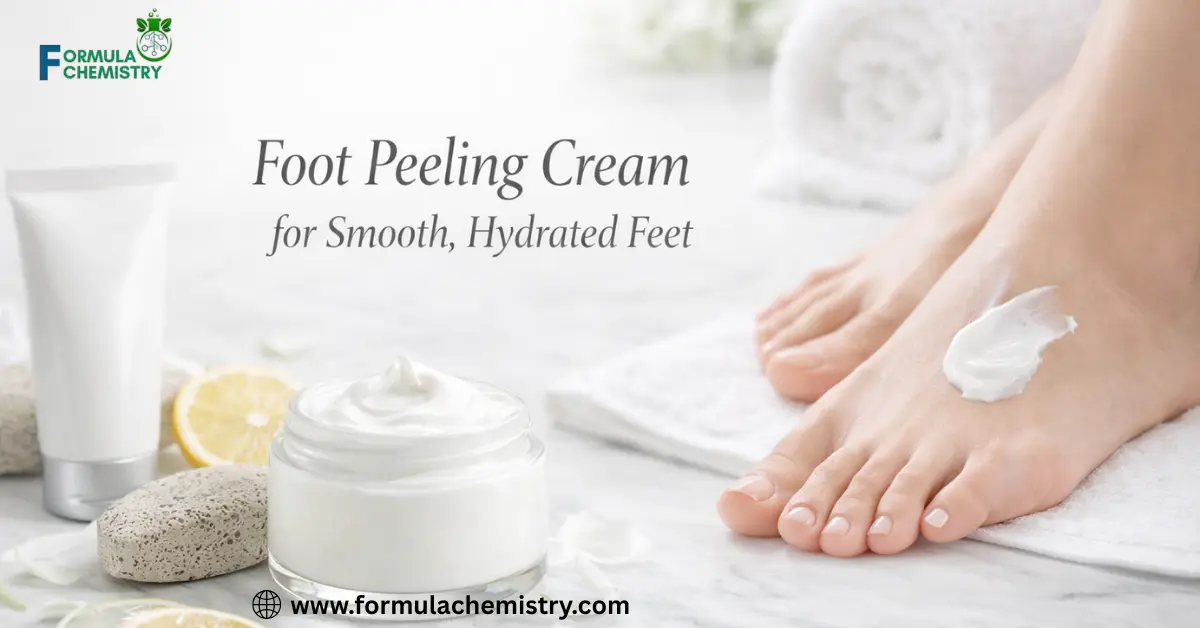
Our feet bear the burden of our entire body, yet they often receive the least amount of care until painful cracks or unsightly calluses appear. A foot peeling cream is a scientifically formulated treatment that goes beyond simple moisturization to actively remove hardened skin layers.
By utilizing high concentrations of keratolytic agents, these creams dissolve the thickened stratum corneum that pumice stones often miss. This chemical process is not about aggressive abrasion but rather a precise biological intervention that reveals the healthy tissue underneath.
This guide examines the formula chemistry behind foot peeling creams. We will decode the molecular power of Urea and Acids, helping you understand how to safely transform rough, dry heels into soft, hydrated skin.

What Causes Hyperkeratosis on the Feet?
To treat the difficulty effectively, we must first understand the biological mechanism that leads to thickened, hard skin on the soles.
The Response to Friction
The skin on the feet creates a condition called hyperkeratosis as a defense mechanism.
When subjected to constant pressure and friction from walking or ill-fitting shoes, the innermost layer of the skin produces excess keratin. This protein hardens to form a protective shield (callus), but without proper exfoliation, it becomes a barrier that blocks hydration.
Lack of Lipid Production
Unlike the face or scalp, the soles of the feet contain no sebaceous glands.
This means they cannot produce their own sebum to maintain the chemical formula of the moisture barrier. They rely entirely on sweat for hydration, which evaporates quickly, leading to the dry, cracked texture that requires a specialized peeling cream.
The Formula Chemistry of Urea: The Hero Ingredient
Urea is the basis of effective foot care, acting as a dual-action molecule that both hydrates and exfoliates depending on the concentration.
Hydration at Low Percentages
At concentrations below 10%, Urea is a humectant naturally found in the skin’s Natural Moisturizing Factor (NMF).
Its chemicalformula allows it to bind water within the skin cells, plumping them up. In Formula Chemistry skincare, we use low-dose urea for daily maintenance to keep the skin flexible and prevent cracks from reforming.
Exfoliation at High Percentages
At concentrations between 20% and 40%, Urea becomes a potent keratolytic.
It breaks down the hydrogen bonds that hold keratin proteins together. This denaturing process dissolves the hard, dead skin of a callus, allowing it to slough off easily without the need for blades or filing.
Smooth and refresh your skin with Thermafoliant Body Scrub: Skin Nourishment.
Alpha Hydroxy Acids: Chemical Exfoliation
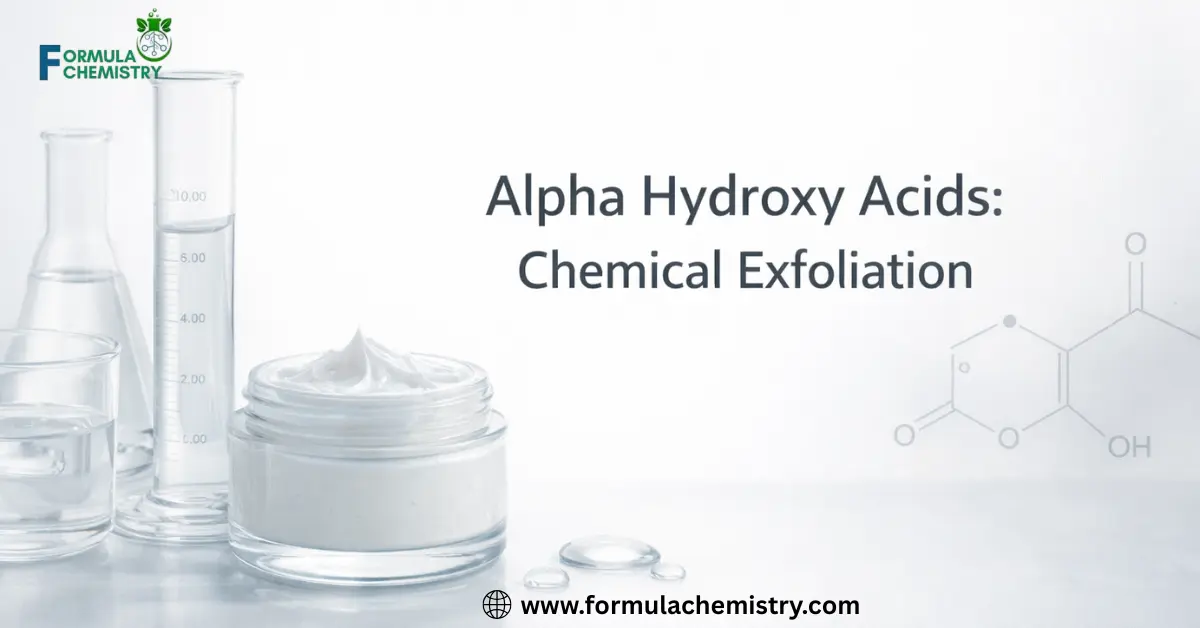
Alongside Urea, foot peeling creams commonly incorporate alpha-hydroxy acids (AHAs) to accelerate the exfoliation of dead surface cells.
Glycolic Acid Penetration
Glycolic Acid has the smallest molecular size of all AHAs, allowing it to penetrate deeply into the thick skin of the heel.
It works by dissolving the desmosomes (cellular glue) between corneocytes. This change in the surface formula chemistry triggers the skin to shed the rough, outer layer, revealing the softer tissue beneath.
Lactic Acid for Moisture
Lactic Acid is frequently preferred in foot formulations because it exfoliates while hydrating.
It stimulates the synthesis of ceramides in the lipid barrier. This guarantees that as the old skin peels away, the new skin is adequately moisturized, reducing the chance of irritation or raw spots.
The Role of Salicylic Acid (BHA)
For especially stubborn calluses or corns, Beta Hydroxy Acid is added for its ability to penetrate oil and harden structures.
Lipophilic Penetration
Unlike AHAs, Salicylic Acid is oil-soluble.
It can penetrate through the natural lipids between skin cells to reach the deeper layers of the callus. In Formula Chemistry DIY, adding Salicylic Acid to a foot cream improves the descaling process, making it effective against thick, yellowed skin.
Anti-Inflammatory Properties
Calluses can sometimes be inflamed or painful due to underlying pressure.
Salicylic Acid retains the anti-inflammatory structure of aspirin. This soothes the foot during the skin peeling process, making sure the treatment feels therapeutic rather than aggressive.
Nourishing Bases: Sealing the Barrier
A peeling cream must also contain a heavy occlusive phase to protect the fresh skin and prevent transepidermal water loss.
Petrolatum and Lanolin
These are the most effective occlusives available in cosmetic science.
They form a hydrophobic seal over the foot. This seal traps the moisture and the active ingredients (Urea/Acids) against the skin, forcing them to work harder. Without this heavy base, the active ingredients would evaporate before softening the callus.
Shea Butter and Plant Oils
For a more natural approach, Shea Butter is high in stearic acid.
It deeply conditions the skin and restores elasticity. Oils like Peppermint or Tea Tree are often added not just for scent, but for their antibacterial properties, which maintain the hygiene of the foot’s chemical formula environment.
Formula Chemistry DIY: High-Potency Urea Cream
Creating a Urea cream at home is a challenging but satisfying project that requires understanding solubility and thermodynamics.
The Cooling Reaction
Dissolving Urea in water is an endothermic reaction, indicating that it absorbs heat and the water becomes freezing cold.
- Phase A: 60% Distilled Water + 20% Urea Beads. (Stir until dissolved; expect the container to get very cold).
- Phase B: 10% Emulsifying Wax + 10% Shea Butter. (Melt separately).
- Process: Heat Phase A to match Phase B, then blend. The temperature management is critical to ensure the emulsion forms correctly.
Stabilizing the pH
Urea can degrade into ammonia over time, raising the pH and causing a bad smell.
You must add a buffer like Lactic Acid or Triethyl Citrate to the formula chemistry. This sustains the pH slightly acidic (around 5.0-6.0), which stabilizes the Urea and improves the exfoliating effect.
Comparing Foot Peel Masks vs. Creams
Understanding the delivery method helps you decide whether you require a one-time shed or a progressive treatment.
Liquid Foot Peel Socks
These are high-strength liquid soaks (often pH 3.0) worn for an hour.
They cause the entire outer layer of the foot to shed in flakes over 7-10 days. Even though effective, they are aggressive and can cause sensitivity. They rely on a shock to the skin’s chemistry formula.
Progressive Peeling Creams
Creams are designed for daily or nightly use.
They cause “micro-exfoliation.” You won’t see sheets of skin falling off, but the calluses will gradually soften and disappear over 2 weeks. This method is safer to sustain Formula Chemistry skincare health without the downtime of unsightly peeling feet.
| Feature | Liquid Peel Mask | Peeling Cream (Urea) |
| Action | Massive shedding sheets | Gradual softening/thinning |
| Active % | Very High Acid | High Urea + Moderate Acid |
| Frequency | Once every 2-3 months | Daily/Nightly |
| Downtime | 1-2 weeks of peeling | None |
Safety and Application Protocols
Acids and high-concentration Urea are potent; using them incorrectly can lead to chemical burns or damaged skin.
Avoid Open Fissures
If your heels are cracked to the point of bleeding, do not use a peeling cream.
The acid will enter the wound and cause intense stinging and potential infection. Heal the cracks with a plain antibiotic ointment or petrolatum first, then introduce the peeling cream to smooth the scar tissue.
Wash Your Hands
After applying a potent foot cream, wash your hands thoroughly.
The skin on your palms is thinner than on your soles. Leaving high-strength keratolytic agents on your hands can cause unwanted peeling and sensitivity on your fingers.
Enhancing Results with Occlusion
To get the most out of your peeling cream, you must manipulate the physical environment of the foot.
The Sock Method
Apply a thick layer of cream and immediately put on cotton socks.
This increases the temperature of the skin. As discussed in formula chemistry, heat increases molecular movement and penetration. The socks also prevent the greasy cream from rubbing off on your bedsheets.
Silicone Heel Socks
For targeted treatment of cracked heels, use silicone gel socks.
Silicone is completely non-porous. It creates a 100% occlusive environment that forces hydration into the toughest skin, significantly speeding up the softening process of the Urea.
Who Should Avoid Peeling Creams?
Even though effective, these potent chemical formulas are not suitable for every individual.
Diabetic Foot Care
Diabetics often suffer from neuropathy (loss of sensation) and poor circulation.
They may not feel a chemical burn developing. Consequently, most experts advise diabetics to avoid strong acids and stick to standard moisturizing lotions to prevent unintentional injury and infection.
Sensitive Skin Conditions
Those with psoriasis or eczema on their feet should proceed with caution.
The exfoliating action can trigger a flare-up. In these cases, a plain barrier cream or a low-dose urea (5%) lotion is a safer Formula Chemistry skincare choice than a high-acid peeling formula.
Conclusion
A Foot Peeling Cream is a triumph of cosmetic science, turning a rough, uncomfortable condition into a smooth, hydrated foundation.
By applying the protein-denaturing power of Urea and the bond-breaking ability of acids, you can restore the health and appearance of your feet.
Whether you rely on a pharmacy brand or a custom Formula Chemistry DIY blend, the key is consistent application and respect for the potency of the ingredients.
FAQ’s about Foot Peeling Cream for Smooth Hydrated Feet
Can I use a foot peeling cream on my face?
Absolutely not. The skin on your feet is roughly 10 times thicker than the skin on your face. Foot creams contain concentrations of Urea (20-40%) and lipids that would severely burn, irritate, or clog the pores of facial skin. Always keep these products below the neck.
How long does it take for a foot peeling cream to work?
Unlike liquid masks that peel in sheets after a week, creams work gradually. You should feel softer skin within one night due to hydration. Significant reduction of calluses typically takes 10 to 14 days of nightly application.
Is Urea a natural ingredient?
Yes, Urea is found naturally in the body as part of the metabolic process. However, the Urea used in Formula Chemistry skincare is synthesized in a lab to ensure purity and stability. It is “nature-identical” and safe for cosmetic use.
Why does my foot cream smell like ammonia?
Urea is unstable in water and can hydrolyze into carbon dioxide and ammonia over time, especially if the pH drifts too high. If your cream smells strongly of ammonia, the chemistry formula has degraded, and the product should be discarded.
Can I use a pumice stone with peeling cream?
Yes, they work well together. Use the peeling cream at night to soften the skin chemically. In the morning shower, gently use a pumice stone. The dead skin will come off much more easily because the cream has already weakened the cellular bonds.
Does foot peeling cream remove corns?
Yes, high-concentration Urea or Salicylic Acid creams are the standard treatment for corns. They soften the hard keratin core of the corn layer by layer until it can be gently buffed away or naturally shed.
Is it safe to walk immediately after applying?
No. Peeling creams are usually lipid-rich and very slippery. Applying them and walking barefoot is a major slip hazard. Always apply them when you are sitting down for the evening, or put on non-slip socks immediately.
Will my calluses come back?
Calluses are a protective response to friction. If you continue to wear the same shoes or walk the same way, the skin will thicken again. Regular use of a maintenance foot cream (10% Urea) can prevent the return of severe buildup.