
Introduction
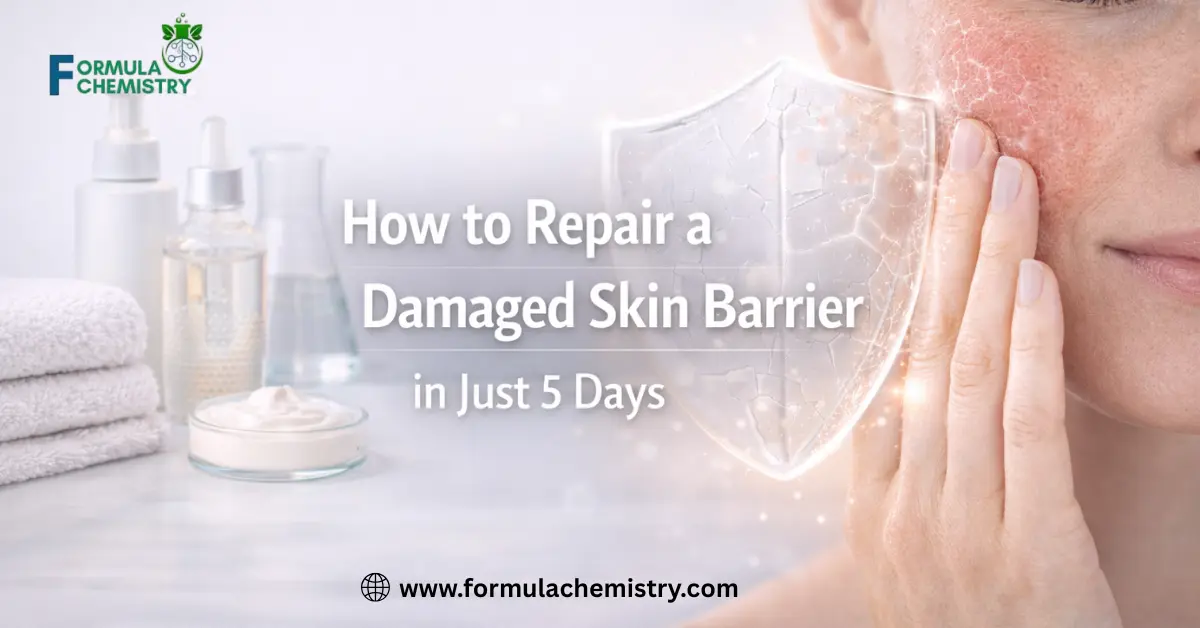
A stinging sensation, chronic redness, and rough texture are not just annoyances for your damaged skin. They are red flags that your skin’s defense system has collapsed. When the lipid shield is breached, bacteria can enter easily, and moisture can escape rapidly. This creates a cycle of inflammation.
Repairing this damage requires more than just a heavy cream. You must strictly follow chemical principles to rebuild the “mortar” between your skin cells.
This guide outlines a scientifically backed 5-day protocol to restore your barrier’s integrity with precise ingredients and gentle techniques.
What Causes a Damaged Skin Barrier?
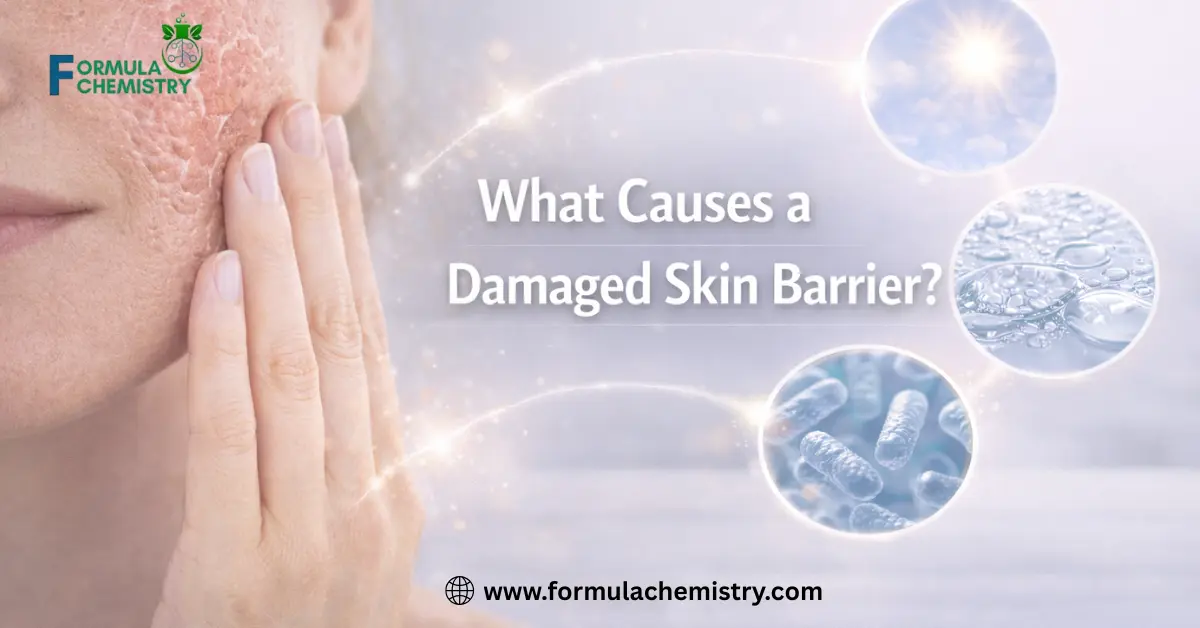
Understanding the biological triggers of damage is the first step toward rapid recovery and future prevention.
The Brick and Mortar Structure
Your skin barrier is often compared to a brick wall. The cells (keratinocytes) are the bricks, and the lipids (fats and oils) are the mortar holding them together.
When you use harsh scrubs or strip the skin with alkaline soaps, you chemically dissolve this mortar. This disruption of the lipid layer’s chemical structure exposes nerve endings, increasing their sensitivity.
pH Imbalance
Healthy skin is acidic, with a pH between 4.5 and 5.5. This acidity is crucial for the enzymes that produce ceramides to function.
Overusing active ingredients like Retinol or Glycolic Acid can shift this pH. Once the acid mantle is disrupted, the skin’s natural repair mechanism halts, leading to a compromised state often seen in Formula Chemistry skincare case studies.
The Formula Chemistry of Lipid Replacement
To fix the wall, you must replace the missing mortar with ingredients that mimic human skin biology.
The Golden Ratio
Scientific studies show that the most effective barrier repair creams use a specific lipid ratio: 50% Ceramides, 25% Cholesterol, and 15% Free Fatty Acids.
This “Golden Ratio” allows the topical product to integrate seamlessly into the skin’s structure. A product lacking cholesterol or fatty acids may just sit on top without repairing the underlying chemical formula.
Physiological Lipids
Not all oils are created equal. You need physiological lipids that the skin recognizes.
Ingredients like Squalane and Jojoba Oil are chemically similar to human sebum (the skin’s natural oil). They act as “biomimetic” agents, meaning they mimic the skin’s natural chemistry, tricking the skin into accepting the repair molecules faster.
Keep your skin calm and soft with Skin Soothing Hydrating Lotion Moisturizer.
Step 1: Eliminate All Active Ingredients
Healing cannot occur if irritation continues; immediate cessation of irritants is essential for repair.
The Zero-Active Rule
For the next 5 days, stop using Retinoids, Vitamin C, AHAs, and BHAs.
These ingredients increase cell turnover or exfoliation. Right now, your skin needs rest, not stimulation. Continuing to use them will only prolong inflammation. It degrades the formula chemistry of your healing process.
Avoid Physical Friction
Put away facial brushes, scrubs, and washcloths.
Even mild friction can tear the fragile new skin cells forming on the surface. Wash only with your hands, using a gentle gliding motion.
Step 2: Cleansing Without Stripping
The goal of cleansing during this phase is simply to remove debris without further disrupting the acid mantle.
Switch to Non-Foaming Formulas
Foam forms from surfactants that are often drying. Use a milk, cream, or oil cleanser instead.
These textures cleanse via emulsification rather than detergency. They leave a thin moisturizing film behind. This is essential for maintaining the chemical formula of a hydrating cleanse.
Limit Cleansing Frequency
If possible, skip your morning cleanse.
Rinsing with lukewarm water is sufficient to remove night sweat. This preserves valuable natural oils your skin produced while you slept. It gives you a head start on hydration.
Step 3: Hyper-Hydration with Humectants
Before sealing the skin, you must flood the cells with water to restore their shape and function.
The Damp Skin Method
Always apply your hydration steps while your skin is still dripping wet.
Humectants like Glycerin and Hyaluronic Acid work by hydrogen bonding. Applying them to dry skin can draw water from your deep tissues. This can worsen the damage.
Select Serums with Soothing Compounds. Choose serums formulated with Panthenol (Vitamin B5) or Allantoin.
These ingredients are known as anti-irritants. They penetrate the epidermis to soothe nerve endings. They can reduce the redness associated with a damaged formula chemistry profile.
Step 4: The Occlusive Seal
Hydration evaporates within minutes if not trapped by a hydrophobic (water-repelling) layer.
The Power of Petrolatum
Though controversial, pharmaceutical-grade Petrolatum (a purified, medical-grade ointment base) is the gold standard for occlusion (preventing water loss by forming a barrier).
It reduces Transepidermal Water Loss (TEWL) by 99%. For a 5-day intensive repair, try “slugging.” Apply a thin layer at night to create a greenhouse effect that forces healing.
Plant-Based Alternatives
If you prefer Formula Chemistry DIY options, Shea Butter is an excellent alternative.
It is high in stearic acid, which reinforces the barrier. Unlike oils, which can be thin, butters form a semi-solid shield that protects against environmental wind and cold.
Step 5: Formula Chemistry DIY Rescue Masks
Accelerate your recovery with simple, preservative-free treatments made fresh in your kitchen.
Colloidal Oatmeal Mask
Oats contain beta-glucans (complex sugars) and avenanthramides (soothing compounds), which are powerful antihistamines.
- Recipe: Blend organic oats into a fine powder. Mix with water to form a paste.
- Application: Apply for 15 minutes. Do not let it dry out (keep it moist with a mist).
- Science: This mixture forms a protective hydrocolloid film that binds to the skin and instantly soothes heat.
Manuka Honey Compress
Raw honey is a natural humectant and antibacterial agent.
- Apply a thin layer of raw honey to damp skin.
- Benefit: It promotes wound healing by providing a moist environment. Its acidic pH also helps restore the acid mantle’s chemical formula.
The 5-Day Recovery Protocol
Follow this strict schedule to ensure maximum recovery without guesswork.
| Time of Day | Step | Product Type | Key Ingredient Focus |
| Morning | 1 | Rinse | Water Only (Lukewarm) |
| 2 | Hydrate | Panthenol or Glycerin Toner | |
| 3 | Moisturize | Ceramide-rich Cream | |
| 4 | Protect | Mineral SPF (Zinc Oxide) | |
| Evening | 1 | Cleanse | Oil or Milk Cleanser |
| 2 | Treat | Formula Chemistry DIY Oat Mask | |
| 3 | Hydrate | Hyaluronic Acid Serum | |
| 4 | Seal | Petrolatum or Shea Butter |
Ingredients to Strictly Avoid
Reading labels is critical during this phase; a single irritant can set your progress back.
Denatured Alcohol
Often listed as Alcohol Denat or SD Alcohol.
This ingredient is volatile and strips lipids instantly. It disrupts the barrier’s chemical structure, causing immediate stinging on damaged skin.
Fragrance and Essential Oils
Even natural scents like Lavender or Peppermint are potential allergens.
When the barrier is broken, these molecules penetrate too deeply. This triggers contact dermatitis. Stick to fragrance-free products until you are fully healed.
Internal Chemistry: Feeding the Barrier
Topical application is only half the battle; your body needs raw materials to build new cells.
Omega-3 Fatty Acids
Consuming flaxseeds, walnuts, or fish oil supplements increases the fatty acid content of your cell membranes.
This keeps the new cells fluid and flexible. It prevents the rigidity that leads to cracking and roughness.
Hydration and Electrolytes
Drink at least 3 liters of water daily, but ensure you include electrolytes.
Water follows salt. A pinch of sea salt in your water helps your cells retain the fluid. This plumps the skin from the inside out and supports the overall formula chemistry of your tissues.
Signs Your Barrier is Healed
Knowing when to reintroduce actives is just as important as the repair process itself.
The Sting Test
Apply your basic moisturizer. If there is zero stinging, your nerve endings are covered.
Texture Check
If the roughness and flaking have subsided and your skin feels soft to the touch, the lipid layer is restored.
Once healed, reintroduce your activities slowly. Start with once a week to ensure you don’t compromise the chemistry formula of your barrier again.
Conclusion
Repairing a damaged barrier in 5 days is achievable if you treat your skin with extreme gentleness and scientific precision.
By focusing on the “Golden Ratio” of lipids, eliminating irritants, and utilizing soothing Formula Chemistry DIY treatments, you allow your skin’s natural healing mechanisms to function unimpeded.
Remember, healthy skin is not about how many acids you can tolerate. It is about how strong your barrier stands against the world.
Frequently Asked Questions
How do I know if my skin barrier is damaged?
Common signs include a stinging sensation when applying non-active products, persistent redness, and excessive oiliness combined with tightness (dehydrated skin). If your skin feels “raw,” the formula chemistry of your barrier is likely compromised.
Can I use sunscreen while repairing my barrier?
Yes, but you should choose a mineral sunscreen containing Zinc Oxide. Chemical sunscreens work by absorbing heat. This can irritate damaged skin. Zinc Oxide acts as a physical shield and has soothing properties that support Formula Chemistry skincare recovery.
Why does water sting my face?
When your barrier is damaged, the nerve endings in your dermis are exposed to the environment. Even water, which has a pH different from your skin’s, can trigger these nerves, causing a stinging sensation. This is a clear sign to stick to isotonic or pH-balanced products.
Is Vaseline safe for acne-prone skin during repair?
Yes, cosmetic-grade petrolatum is non-comedogenic because its molecular size is too large to clog pores. It sits on the skin’s surface to trap moisture. However, ensure you cleanse your skin thoroughly before applying it to avoid trapping bacteria underneath the seal.
Can I use Niacinamide to repair my barrier?
Yes, Niacinamide is excellent for barrier repair as it stimulates the production of ceramides and fatty acids. However, ensure the concentration is low (2-5%). High concentrations (10%+) can be irritating to broken skin, disrupting the chemical formula of the healing process.
How long should I wait before using Retinol again?
Wait until your skin feels completely normal, no stinging, redness, or flaking—for at least one full week. When you restart, use the “sandwich method” (moisturizer, retinol, moisturizer) and reduce frequency to once a week to prevent re-damaging the chemical formula of the barrier.
What is the best DIY mask for a broken barrier?
A simple mask made of colloidal oatmeal and water is the safest option. Avoid kitchen ingredients such as lemon, vinegar, or baking soda, as their high pH levels will further disrupt the acid mantle and worsen the condition.
Does stress affect skin barrier healing?
Absolutely. Stress releases cortisol, which inhibits the skin’s ability to repair itself and produces inflammation. Managing stress through sleep and relaxation is a vital, non-topical aspect of Formula Chemistry skincare for rapid recovery.