
Introduction
Blackheads are one of the most stubborn skin concerns, often returning days after extraction. They are not dirt, but rather oxidized oil trapped . Clay mask effectively treat them, you need a targeted solution that draws out impurities without damaging the skin structure.
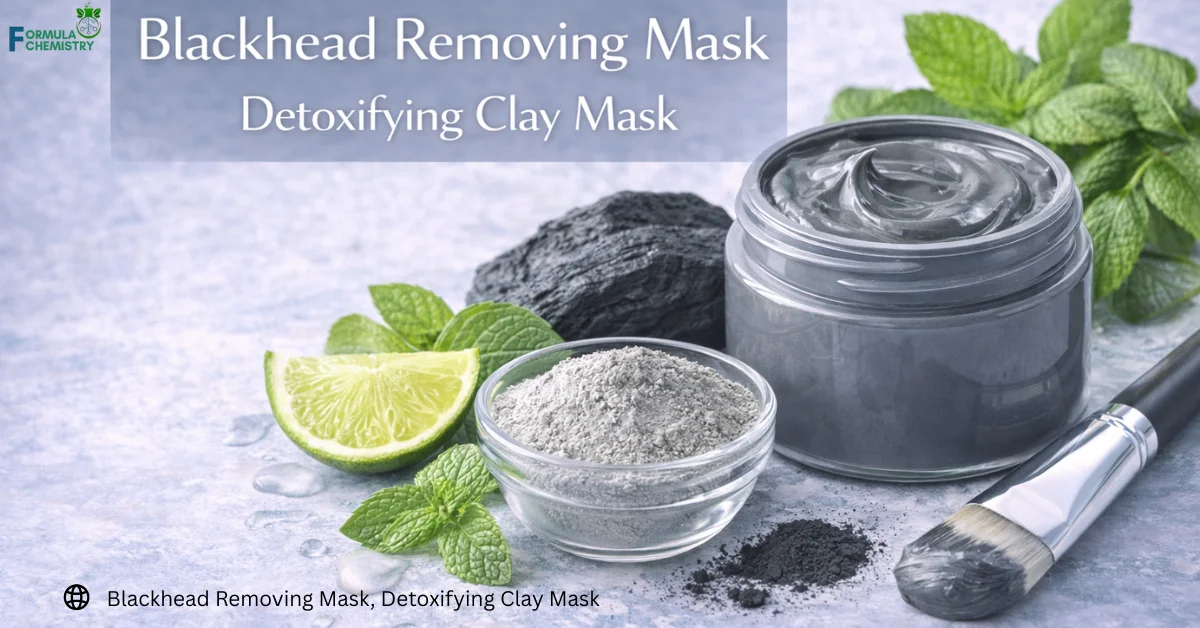
A detoxifying clay mask is the scientifically proven method for deep pore cleansing. By leveraging the absorption capacity of specific minerals, these masks act as magnets for sebum and toxins.
This guide examines the formula chemistry of clay masks. We will explore how different clays interact with the skin, the role of active additives, and how to use them to achieve a clear, refined complexion.
What Causes Blackheads and Why Do They Persist?
Comprehending the structure of a blackhead is the first step to eliminating it.
The Open Comedone
A blackhead, or open comedone, occurs when a pore becomes clogged with sebum and dead skin cells.
Unlike a whitehead, the pore remains open to the air. The exposure to oxygen causes the oil to oxidize and turn dark, similar to how a sliced apple turns brown. This is a chemical reaction, not a hygiene failure.
The Adhesive Plug
The blockage is held in place by sticky cells lining the pore.
Simply washing your face cannot remove this plug. You need a treatment that physically absorbs the oil and chemically loosens the adhesion. This is where the unique properties of a clay mask become essential in Formula Chemistry skincare.
The Chemistry Formula of Absorbent Clays
Not all clays are created equal; their mineral composition dictates their absorption power and appropriateness for various skin types.
Bentonite Clay: The Heavy Lifter
Bentonite is composed of aged volcanic ash.
It has a strong negative electrical charge. Toxins and heavy metals typically have a positive charge. When mixed with water, Bentonite acts like a magnet, binding to these impurities and lifting them from the skin. It absorbs oil rapidly, rendering it suitable for very oily skin.
Kaolin Clay: The Mild Purifier
Kaolin is a soft, white clay (China clay).
It has a lower absorption capacity than Bentonite. Instead of stripping the skin, it gently balances oil production and soothes inflammation. Its mild chemistry formula makes it perfect for sensitive or dry skin types that still suffer from congestion.
Enhancing Detoxification with Activated Charcoal
Charcoal is often paired with clay to supercharge the cleansing effect.
Surface Area and Adsorption
Activated charcoal is carbon that has been treated to increase its porosity.
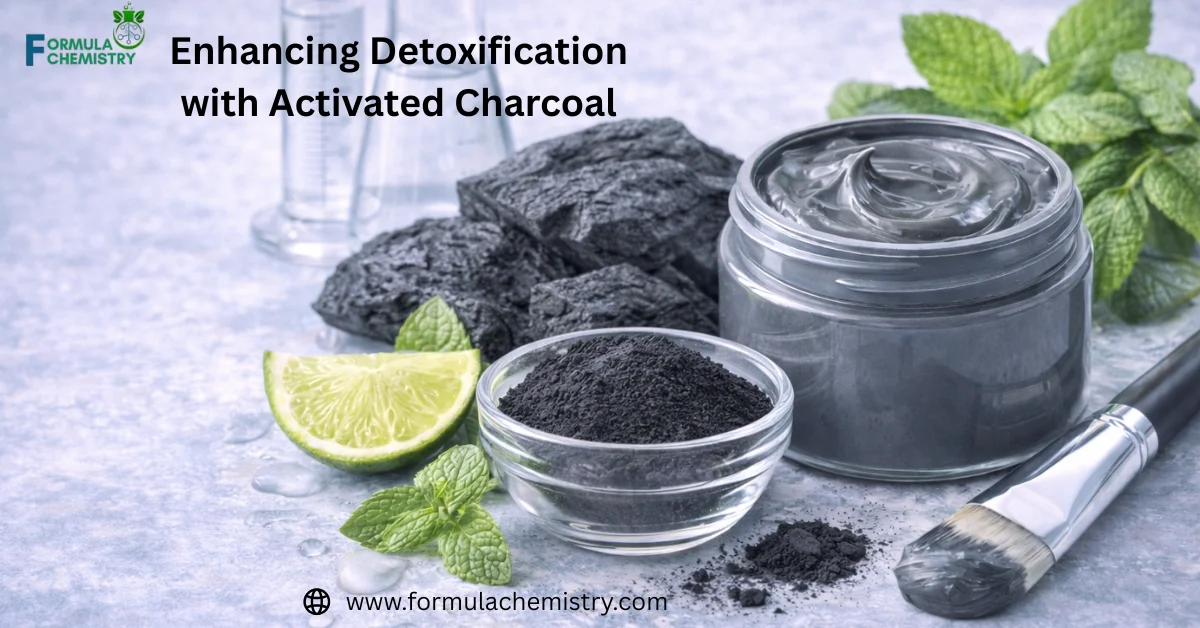
One gram of activated charcoal has a surface area of over 3,000 square meters. This massive surface area allows it to adsorb (bind to the surface) thousands of times its weight in toxins, dirt, and oil, effectively pulling deep-seated debris from the pores.
The “Detox” Synergist
In a formula chemistry context, mixing charcoal with clay creates a dual-action system.
The clay absorbs moisture and oil, while the charcoal targets environmental pollutants. This synergy results in a cleaner, brighter complexion than either ingredient could achieve alone.
When your skin needs a boost, reach for Multi-Vitamin Power Recovery Mask: Ultimate Skin Rescue.
The Role of Astringents and Acids
A great blackhead mask doesn’t just absorb; it exfoliates to prevent future clogs.
Salicylic Acid (BHA)
Salicylic Acid is oil-soluble.
Including it in a clay mask allows it to penetrate the sebum filled pore. While the clay works on the surface, the acid dissolves the adhesive, binding the blackhead in place deep within the follicle.
Witch Hazel and Sulfur
Witch Hazel contains tannins that act as astringents, tightening the pore opening after cleansing.
Sulfur is a keratolytic agent that dries out the surface of the skin and kills bacteria. These additives enhance the chemical formula of the mask, making sure that once the pore is clean, it stays clean.
Formula Chemistry DIY: Making a Professional Clay Mask
You can create a special quality detox mask at home using simple, potent ingredients.
The Bentonite & Apple Cider Vinegar Mask
This is a classic DIY recipe that maintains a balanced pH and deep cleans.
- Base: 1 tablespoon Bentonite Clay.
- Liquid: 1 tablespoon Apple Cider Vinegar (with “The Mother”).
- Method: Mix in a non-metal bowl (metal deactivates the clay’s charge).
- Science: The vinegar lowers the high pH of the Bentonite, making it closer to the skin’s natural acidity, while the clay creates a pulsing sensation as it dries and tightens.
The Honey & Charcoal Paste
For a less drying option, combine the purifying power of charcoal with the hydration of honey.
- Mix: 1 teaspoon Activated Charcoal powder + 1 tablespoon Raw Honey.
- Apply: Target the T-zone.
- Benefit: Honey is antibacterial and keeps the charcoal moist, allowing it to work without cracking on the skin.
How to Apply a Clay Mask for Maximum Results
Applying a mask seems simple, but timing and technique prevent dehydration.
The “Don’t Let It Crack” Rule
Many people believe a clay mask must dry completely to work. This is false.
There are three phases:
- Damp Phase: The skin absorbs beneficial minerals.
- Start of Drying: The mask cools and tightens, stimulating blood flow.
- Dry Phase: The mask draws moisture out of the skin, causing dehydration and irritation.
- Tip: Rinse the mask off when it becomes sticky but before it cracks and crumbles.
Steam and Prep
Use a warm towel or steam your face for 2 minutes before application.
This softens the hardened oil in the pores, making it easier for the clay to absorb. It prepares the formula chemistry environment for optimal extraction.
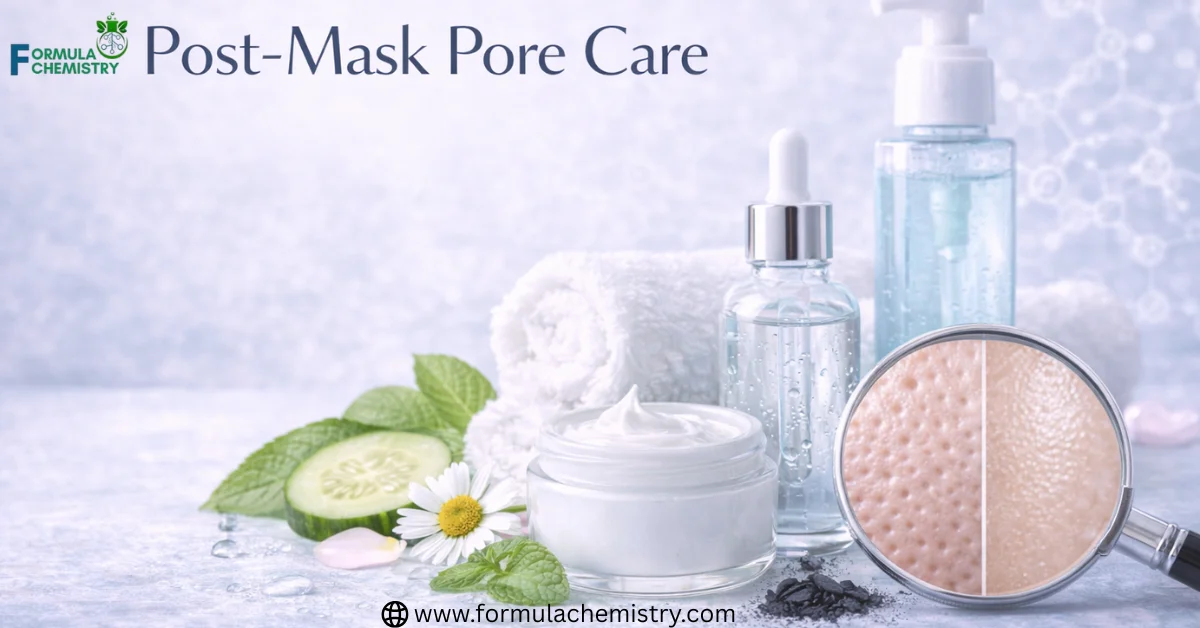
Post-Mask Pore Care
What you do immediately after removing the mask determines if your pores stay clear or refill instantly.
Rebalancing Hydration
Clay masks remove oil, so you must replenish hydration immediately.
Apply a water-based toner or hyaluronic acid serum. This prevents the skin from panicking and overproducing oil to compensate for the dryness.
Cold Water Rinse
Finish your routine with a splash of cold water or a cooling roller.
This physically constricts the pilosebaceous unit (pore). While pores don’t have muscles to “open and close,” cooling the skin reduces inflammation and makes the pores appear tighter and refined.
Discover how Hydrated Silica in Skincare: Secret to Smooth and Radiant Skin can refine and refresh your complexion.
Who Should Use a Detoxifying Clay Mask?
Even though effective, these masks are powerful and should be matched to your skin type.
Oily and Acne-Prone Skin
Use a Bentonite or Charcoal based mask 1-2 times a week.
This regular maintenance regulates sebum levels and prevents the formation of new comedones.
Sensitive and Dry Skin
Use a Kaolin or Pink Clay mask once a week or bi-weekly.
Focus application only on the T-zone (nose, chin, forehead). Avoid the cheeks to prevent disrupting the delicate lipid barrier in drier areas.
The Myth of “Purging” with Clay Masks
Some users experience breakouts after using a clay mask; understanding why prevents panic.
Bringing It to the Surface
Clay stimulates circulation and pulls debris upward.
Sometimes, a deep micro-comedone is pulled to the surface, appearing as a pimple the next day. This is a sign the mask is working. However, if you experience a rash or burning, that is irritation, not purging, check the ingredient list for potential allergens.
| Ingredient | Function | Weight % | Amount (ml/g) |
|---|
⚠ Professional Lab Verification Required
- Water Percentage (q.s.): Distilled water is listed as a starting estimate. In a real laboratory batch, water is added q.s. (quantity sufficient) after all other ingredients are accurately weighed to bring the total to exactly 100%.
- pH Adjustment: Sodium hydroxide and citric acid percentages are formulation starting points only. Every real batch must be verified and corrected using a calibrated pH meter to hit the target pH range precisely.
- Preservation Efficacy: Preservative performance must be validated through Challenge Testing (PET) as per ISO 11930 before any commercial or consumer use of this formulation.
- Stability Testing: This formula requires accelerated stability testing at 4°C, 25°C, and 40°C over a minimum of 12 weeks to confirm physical, chemical, and microbiological stability before market release.
Conclusion
A Blackhead Removing Detoxifying Clay Mask is a fundamental instrument for preserving pore clarity and skin health.
Through comprehension of the ionic charge of Bentonite, the porosity of Charcoal, and the formula chemistry of proper application, you can extract impurities without extraction tools.
Whether you mix your own vinegar mask or use a formulated tube, the result is the same: deeply purified, breathable skin that glows with health.
FAQ’s about Blackhead Removing Mask, Detoxifying Clay Mask
How often should I use a clay mask for blackheads?
For oily skin, 1-2 times a week is recommended. For dry or sensitive skin, stick to once a week or spot treat only the nose and chin. Overusing clay masks can strip the skin of essential oils, resulting in moisture loss and reactive oil production.
Do peel-off masks work better than clay masks?
Peel-off masks remove the top layer of dead skin and the “heads” of blackheads physically, but they can be damaging and tear the skin. Clay masks work by absorption and deep cleansing without mechanical pulling, rendering them a gentler and often more effective long-term solution.
Can I use a clay mask if I have dry skin?
Yes, but choose the right clay. Kaolin (white clay) or French Pink Clay is much gentler than Bentonite or Charcoal. Also, look for formulas that contain hydrating ingredients such as Aloe Vera, Glycerin, or oils to buffer the drying effect.
Why does my face pulse when I use Bentonite clay?
Bentonite clay has a strong negative electrical charge. When mixed with liquid (especially vinegar), it swells and tightens on the skin. This tightening sensation, combined with increased blood circulation to the surface, creates the “pulsing” feeling. It is normal and indicates the mask is active.
Should I wash my face before a clay mask?
Yes. Consistently apply a mask to clean skin. If you apply it over makeup or sunscreen, the clay will waste its absorption power on surface dirt instead of pulling impurities from deep within your pores.
Can I leave a clay mask on overnight as a spot treatment?
Generally, no. Clay is designed to dry and absorb. Leaving it on for 8 hours can severely dehydrate the spot, leading to a chemical burn-like mark or flaky patch. A sulfur paste is a better option for overnight spot treatment.
Does steaming really help before a mask?
Yes. Steam raises the skin temperature, which softens the hardened sebum (oil) inside the pores. Softened oil is much easier for the clay to absorb than hard, waxy plugs. Just don’t use steam that is too hot, as it can cause broken capillaries.
What should I put on my face after a clay mask?
After rinsing, your pores are clean, but your skin is likely dehydrated. Immediately apply a hydrating toner (alcohol-free), a serum, and a lightweight moisturizer. Avoid heavy, pore-clogging creams right after a detox mask.