
Introduction
Congested pores and a rough texture are often the result of a sluggish natural exfoliation process, in which dead cells trap oil beneath the surface. A BHA peel for smoother skin is not just a surface treatment; it is a scientifically calibrated intervention that corrects this cellular traffic jam.
By leveraging the unique lipophilic properties of Beta Hydroxy Acids, these peels penetrate where water-based scrubs cannot. This deep-dive action dissolves impactions at the source, offering a level of clarity that surface washing simply cannot achieve.
In this guide, we explore the formula chemistry of BHA peeling. We will decode how it smooths texture, clears congestion, and how to integrate this powerful acid into your routine safely for maximum radiance.
What Defines a BHA Peel in Cosmetic Science?
A BHA peel is a chemical exfoliation treatment that utilizes Beta Hydroxy Acid to dissolve the bonds between dead skin cells.
The Lipophilic Nature
The primary BHA used in skincare is Salicylic Acid. Unlike its water-loving cousins (AHAs), Salicylic Acid loves oil.
This distinct chemical formula allows the molecule to bypass the oil sitting on the surface of your face and travel deep into the sebaceous follicle. Once inside, it exfoliates the pore lining, making it the superior choice for treating blackheads and enlarged pores.
Keratolytic Properties
BHA is a keratolytic agent, meaning it softens and sheds the outer layer of the skin (the keratin).
In Formula Chemistry skincare, this action is vital for smoothing rough patches. By breaking down the hardened protein structures on the skin’s surface, BHA reveals the softer, fresher cells underneath, resulting in an immediate improvement in texture.
The Chemistry Formula of Salicylic Acid Penetration
To understand why BHA works so well for congestion, we must look at how its molecular structure interacts with the skin’s lipid barrier.
Desmolytic Action
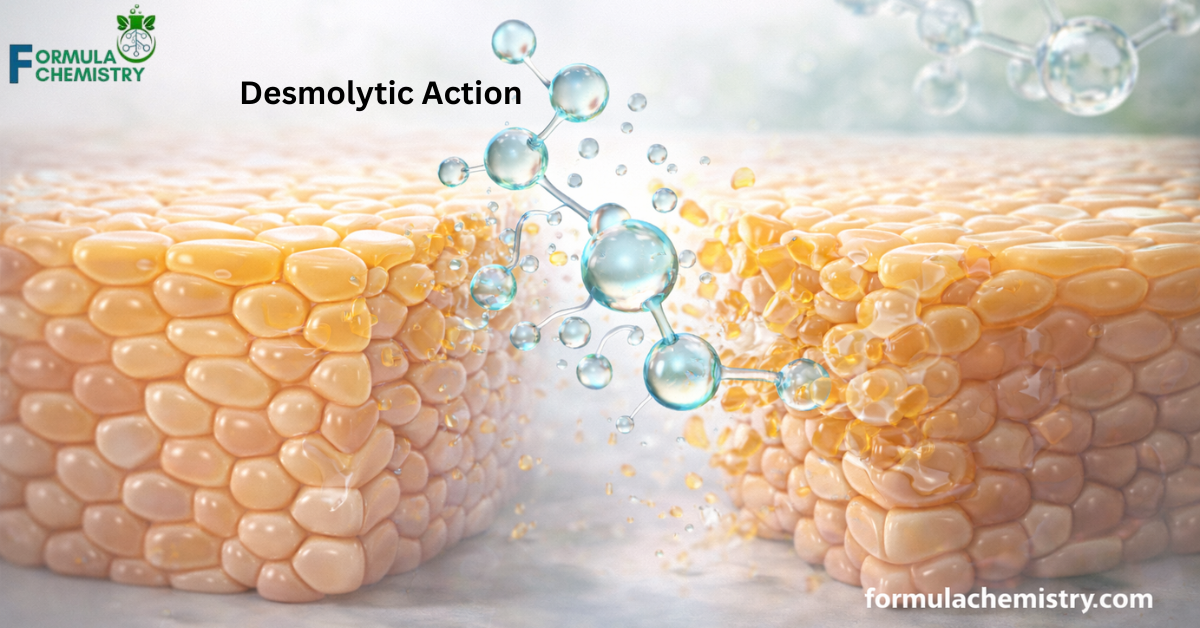
Dead skin cells are held together by cellular bridges called desmosomes.
Salicylic Acid chemically dissolves these protein bridges. By disrupting the chemistry formula of the cellular glue, the dead cells detach effortlessly. This process mimics the natural shedding cycle of younger skin, preventing the buildup that leads to dullness.
Anti-Inflammatory Structure
Chemically, Salicylic Acid is related to Acetylsalicylic Acid (Aspirin).
It retains the anti-inflammatory properties of its cousin. This means that while it peels the skin, it simultaneously soothes the redness and swelling of existing breakouts. This dual action is a cornerstone of effective formula chemistry for acne-prone skin.
Benefits of BHA Peeling for Different Skin Types
While often marketed solely for acne, BHA peels offer structural benefits for a variety of skin concerns beyond simple pimples.
Oily and Congested Skin
For oily skin types, BHA is the gold standard.
It creates a “drying” environment within the pore that regulates sebum production. Regular use alters the chemical composition of the pore environment, making it less hospitable to bacteria that thrive on excess oil.
Sun-Damaged and Rough Skin
BHA is effective for treating keratosis pilaris and sun-damaged skin.
Because it exfoliates without the abrasion of a scrub, it smooths the “chicken skin” texture on faces and arms. It refines the surface topography, allowing light to reflect more evenly and visually reducing the depth of fine lines.
Analyzing the Chemical Formula: BHA vs. AHA
Choosing between Alpha Hydroxy Acids (AHA) and Beta Hydroxy Acids (BHA) depends on where you want the exfoliation to occur.
Surface vs. Depth
AHAs (like Glycolic Acid) are water-soluble and work primarily on the very top layer of the epidermis.
BHAs are oil-soluble and work inside the pore. In Formula Chemistry skincare, we often combine the two. However, for “glass skin” smoothness and pore clarity, the deep-cleaning action of the BHA chemistry formula is unmatched.
Irritation Potential
Generally, BHAs are less irritating than AHAs due to their larger molecular size and anti-inflammatory properties.
AHAs can cause immediate stinging and photosensitivity. BHA penetrates more slowly and calms the skin as it works, making it a safer bet for those prone to redness who still need effective exfoliation.
Formula Chemistry DIY: Safety in Home Peeling
Applying acids at home enables you to manage your skin health, but it requires a strict adherence to safety procedures and pH balance.
Understanding pH and pKa
For an acid to peel the skin, the product’s pH must be low enough.
Salicylic Acid has a pKa of roughly 2.97. If your Formula Chemistry DIY solution has a pH of 6.0, the acid is neutralized and becomes a salt, rendering it ineffective. You must maintain a pH between 3.0 and 4.0 for the free acid to function.
The Danger of Aspirin Masks
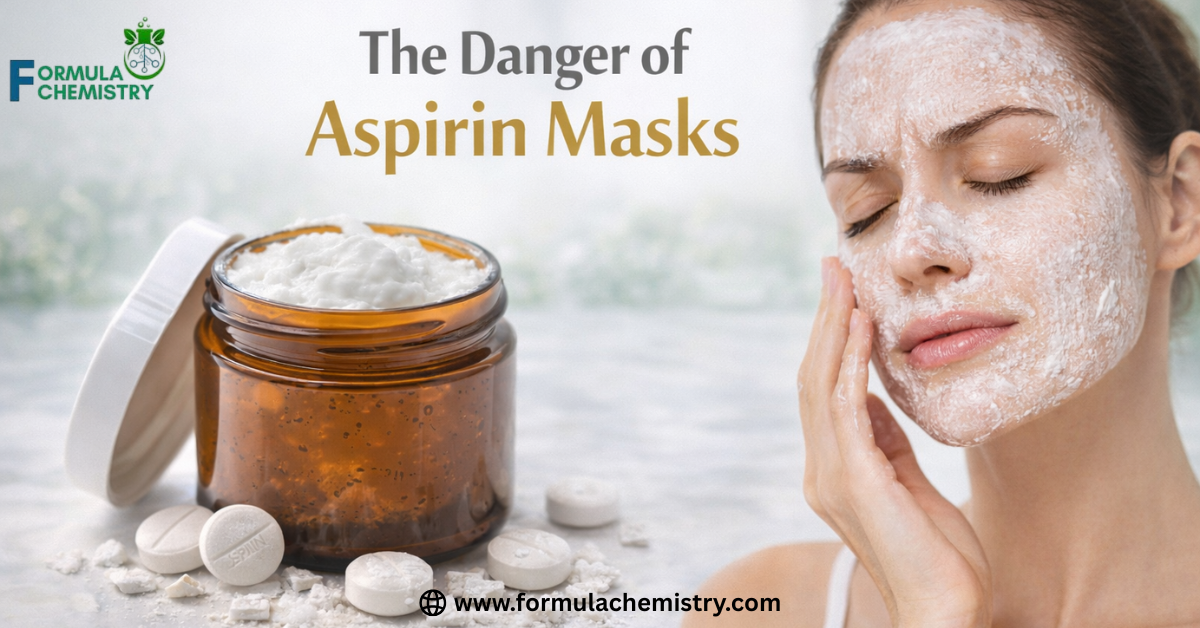
A popular internet hack entails grinding aspirin tablets to make a mask.
We strongly advise against this. Aspirin is Acetylsalicylic Acid, not Salicylic Acid. It is not formulated for topical absorption and can cause unpredictable irritation. Stick to cosmetic-grade ingredients whose chemical formulas are stabilized for skin use.
How to Perform a Safe BHA Peel
Executing a peel requires preparation and aftercare to ensure the barrier is strengthened, not compromised.
Step 1: The Prep
Cleanse the skin thoroughly to remove surface oils.
Wait for the skin to dry completely. Water can dilute the acid or, in some cases, pull it too deep too quickly. A dry canvas ensures the formula chemistry works at the intended rate of penetration.
Step 2: Application and Timing
Apply a thin layer of the BHA solution using a fan brush or cotton pad.
Start with a contact time of 3 to 5 minutes. If you are using a leave-on BHA toner (1-2%), no rinsing is needed. For wash-off peel masks (high percentage), neutralize and rinse with cool water immediately if you feel intense burning.
Managing the “Purge” Phase
When you start using BHA, your skin may look worse before it looks better; this is a biological process, not a reaction.
Accelerated Turnover
BHA speeds up the skin’s lifecycle.
Micro-comedones (seeds of acne) that were weeks away from surfacing are brought to the top all at once. This “purge” usually lasts 2 to 4 weeks. It is a sign that the chemical formula is effectively pushing out deep-seated congestion.
Differentiating Purging from Irritation
Purging occurs in areas where you usually break out.
If you develop rashes or breakouts in new areas, or if the skin creates a “rash-like” texture, this is irritation. In this case, the formula chemistry is too strong, and you should discontinue use or reduce frequency.
Incorporating BHA into a Layered Routine
BHA is a reactive ingredient; knowing what to layer with it is important to steer clear of chemical conflicts.
Avoid Mixing with Retinol
Retinol and BHA both stimulate turnover and can be drying.
Using them simultaneously can destroy the lipid barrier. Use BHA in the morning and Retinol at night, or alternate nights. This spacing respects the Formula Chemistry skincare rule of “one active at a time.”
Pairing with Hyaluronic Acid
BHA removes oil, which may cause short-term dehydration.
Follow your BHA step immediately with a Hyaluronic Acid serum. The acid clears the path, allowing the hydration to penetrate deeper. This combination ensures you get the smoothing benefits without the flaky side effects.
Concentration Matters: 1% vs. 2% vs. 9%
The percentage of Salicylic Acid dictates whether the product is a daily maintenance fluid or a weekly treatment.
Daily Maintenance (0.5% – 2%)
Most over-the-counter toners fall in this range.
They are safe for daily or every other day use. This concentration maintains clear pores and smooths texture progressively. The chemistry formula is buffered to be gentle enough for frequent application.
Professional Peels (9% – 20%)
High concentrations are used for “peels” performed by professionals or careful at-home users.
These cause visible flaking and are used to treat severe acne or deep scarring. They require downtime and strict sun avoidance, as the high strength drastically alters the surface chemical formula of the epidermis.
Post-Peel Recovery and Protection
After a peel, your fresh skin cells are exposed and vulnerable; protection is non-negotiable.
Lipid Replacement
BHA strips sebum. You must replace it with physiological lipids.
Use a moisturizer rich in ceramides and cholesterol. These ingredients rebuild the “mortar” between your skin cells, reducing the sensitivity that often follows an active Formula Chemistry skincare treatment.
Sunscreen is Critical
While BHA is not as photosensitizing as AHA, exfoliating the dead layer always reduces your natural sun protection.
You must wear a broad-spectrum SPF 30+ daily. Failing to protect the fresh, smooth skin will result in rapid UV damage and hyperpigmentation, reversing the benefits of the peel.
Conclusion
BHA peeling is a game-changing step for anyone seeking a smoother, clearer complexion.
By utilizing the oil-soluble power of Salicylic Acid, you can scientifically dissolve the debris that clouds your skin’s natural radiance.
Whether you rely on a daily toner or a weekly Formula Chemistry DIY treatment, understanding the science of concentration and pH ensures you reveal healthy skin with every use.
FAQ’s about BHA Peeling: Reveal Smoother Skin With Every Use
Can I use a BHA peel every day?
It depends on the concentration. Low concentrations (0.5% to 2%) found in toners can often be used daily by oily skin types. However, stronger peels (above 4%) should only be used once a week or less. Overusing BHA can dry out the skin and damage the moisture barrier.
Is BHA better than a physical scrub?
Scientifically, yes. Physical scrubs only remove the very top layer of skin and can cause micro-tears. BHA chemically dissolves the glue holding dead cells together and cleans inside the pore, yielding a smoother, more uniform exfoliation without mechanical damage.
Will BHA make my skin peel visibly?
Not always. Daily BHA products usually cause “micro-exfoliation,” which is invisible to the naked eye. You will simply notice smoother skin. Higher strength peels (professional grade) will cause visible flaking and shedding for a few days.
Can I use BHA if I have dry skin?
Yes, but you must be careful. BHA can be drying because it removes oil. Dry skin types should look for a chemical formula that includes hydrating ingredients like glycerin or aloe, and perhaps limit use to the T-zone or areas with specific texture issues.
How long does it take to see results?
You may feel smoother skin after just one use. However, for clearing acne and blackheads, it typically takes 4 to 6 weeks of consistent use to see a significant reduction, as the BHA needs time to clear the deep congestion.
Can I use Vitamin C with BHA?
You can, but it increases the risk of irritation. Both are acidic. If you want to use both, it is best to apply Vitamin C in the morning and BHA at night. If you must layer them, apply the BHA first, wait 20 minutes for the pH to neutralize, then apply Vitamin C.
Is BHA safe during pregnancy?
Most doctors recommend avoiding high concentrations of Salicylic Acid during pregnancy (like oral medication or high-strength peels). However, low concentrations (2% or less) in topical skincare are often considered safe, but always consult your healthcare provider first.
Why does my skin sting when I apply BHA?
A slight tingling sensation is normal due to the low pH required for the acid to work. However, if it burns intensely or turns bright red, you may have a compromised skin barrier or an allergy to salicylates (aspirin family). Wash it off immediately.