
Introduction
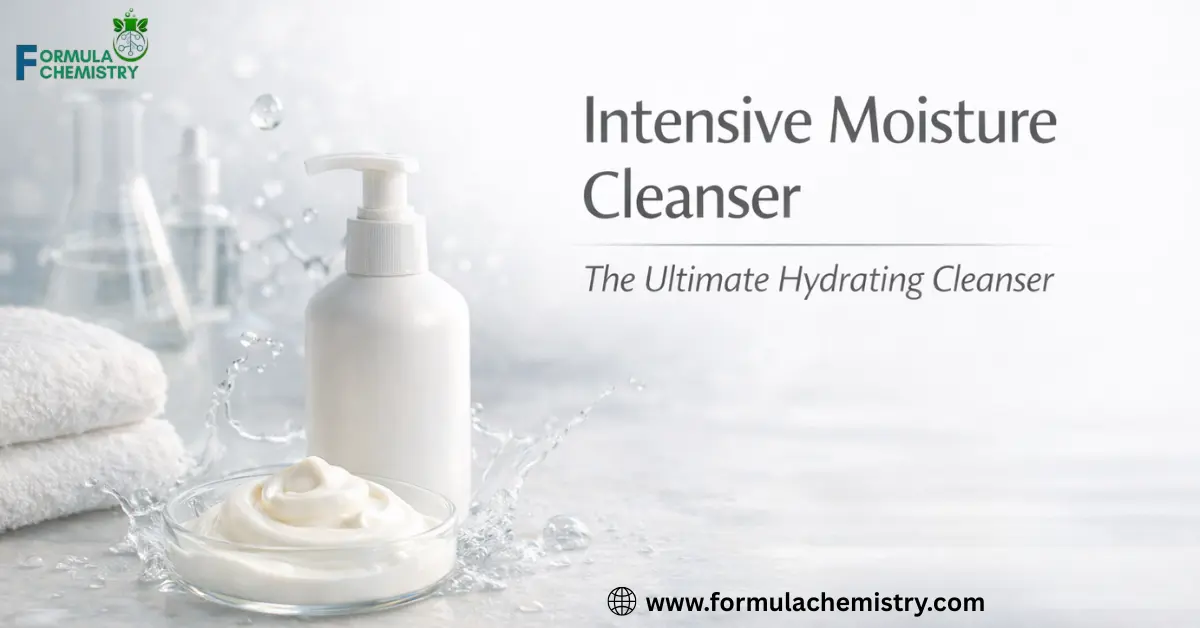
Cleansing is the most damaging step in any skincare routine, as the very agents designed to remove dirt often strip essential lipids. An intensive hydrating cleanser breaks this paradigm by depositing moisture while purifying.
For those with dry, sensitive, or compromised skin, the aim is not just to clean, but to repair the barrier during the wash process. This requires a sophisticated balance of surfactants and emollients.
By understanding the chemical formula behind these rich emulsions, you can choose a product that leaves your skin soft, supple, and perfectly prepped for the rest of your regimen.
What Defines an Intensive Hydrating Cleanser?
Grasping the distinction between a standard soap and a hydrating formula is the first step to barrier health.
The Emulsion Hybrid
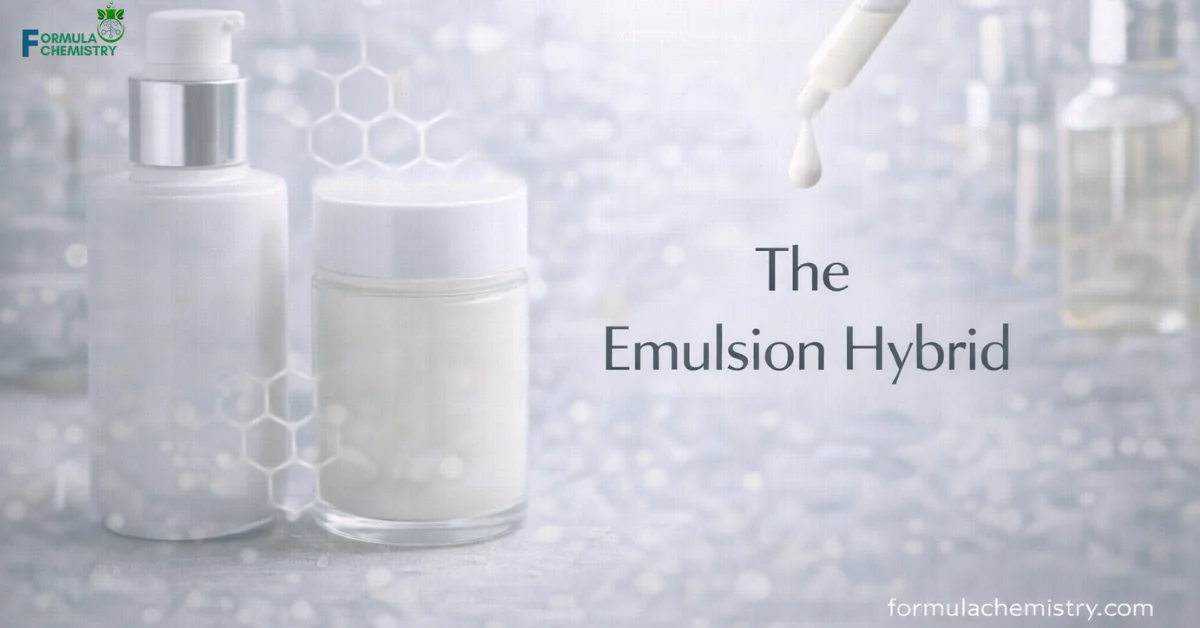
Unlike gel cleansers, which are primarily surfactant-based, hydrating cleansers are emulsions. It contains a significant oil phase mixed with water.
This chemical formula resembles a moisturizer more than a soap. It cleanses via the principle of “like dissolves like,” using oils to melt sebum and makeup while water-soluble surfactants handle sweat and dust.
Low-Foam Technology
We are conditioned to believe that foam equals clean, but bubbles are often a sign of harsh stripping.
Intensive hydrating cleansers are typically non-foaming (creams or milks). In Formula Chemistry skincare, we focus on low-foaming agents because they disrupt the surface tension enough to clean without denaturing the skin’s proteins.
The Formula Chemistry of Gentle Surfactants
The engine of any cleanser is the surfactant system, and for hydration, the molecular size matters immensely.
Non-Ionic Surfactants
Harsh cleansers use anionic (negatively charged) surfactants like Sodium Lauryl Sulfate. Hydrating cleansers rely on non-ionic surfactants like Decyl Glucoside or Coco-Glucoside.
These molecules have no electrical charge. This neutral chemistry formula means they do not bind aggressively to the skin’s keratin, allowing them to rinse away dirt without taking your natural moisture with them.
Micellar Structures
Surfactants form microscopic spheres called micelles.
In a hydrating formula, these micelles trap debris in their core. Because the surfactant concentration is lower and buffered by oils, the micelles gently lift impurities from the surface instead of scouring the pore, preserving the lipid integrity.
Humectants: The Science of Water Retention
A true hydrating cleanser does not just wash; it binds water to the keratin of the stratum corneum during the rinse.
Glycerin: The Backbone
Glycerin is almost always present in these formulations because it is a small, effective hygroscopic molecule.
It creates hydrogen bonds with water. Even as you rinse the cleanser off, a micro-film of glycerin remains, holding moisture against the skin cells. This prevents the “tight” feeling that occurs when water evaporates rapidly after washing.
Hyaluronic Acid and PCA
Advanced Formula Chemistry skincare includes Sodium PCA or Hyaluronic Acid.
These components mimic the skin’s Natural Moisturizing Factor (NMF). By replenishing these naturally occurring substances during the cleanse, you prevent the osmotic shock that fresh water can cause to skin cells.
Emollients and the Lipid Barrier
To prevent the water from evaporating immediately after rinsing, the formula must contain specific sealing agents.
The Concept of Super-Fatting
“Super-fatting” involves adding more lipids than the surfactants can emulsify or strip away.
Ingredients such as Shea Butter, Sunflower Oil, or Ceramides are suspended in the formula. When you rinse, the surfactants remove the dirt, but a thin, imperceptible layer of these beneficial lipids is deposited back onto the skin.
Fatty Alcohols
You will often see Cetyl Alcohol or Stearyl Alcohol on the label.
These are not drying alcohols; they are fatty waxes. They provide the creamy slip that reduces friction. In terms of formula chemistry, they stabilize the emulsion and soften the skin surface, acting as a liquid cushion.
The Key Role of pH in Hydration
The acidity of your cleanser determines whether your skin bacteria thrive or your moisture barrier collapses.
Preserving the Acid Mantle
The skin acts as a barrier at a pH of 4.5 to 5.5.
An intensive hydrating cleanser must be pH-balanced to match this range. If the chemical formula is alkaline (pH 8+), it swells the skin cells, allowing moisture to escape (TEWL) and bacteria to enter.
Buffering Agents
Ingredients like Citric Acid or Lactic Acid are used not to exfoliate, but to adjust the pH down.
This makes certain that the cleansing process supports the microbiome. A disrupted pH takes hours to correct itself; a balanced cleanser keeps the skin working optimally immediately after toweling off.
Texture and Sensory Encounter
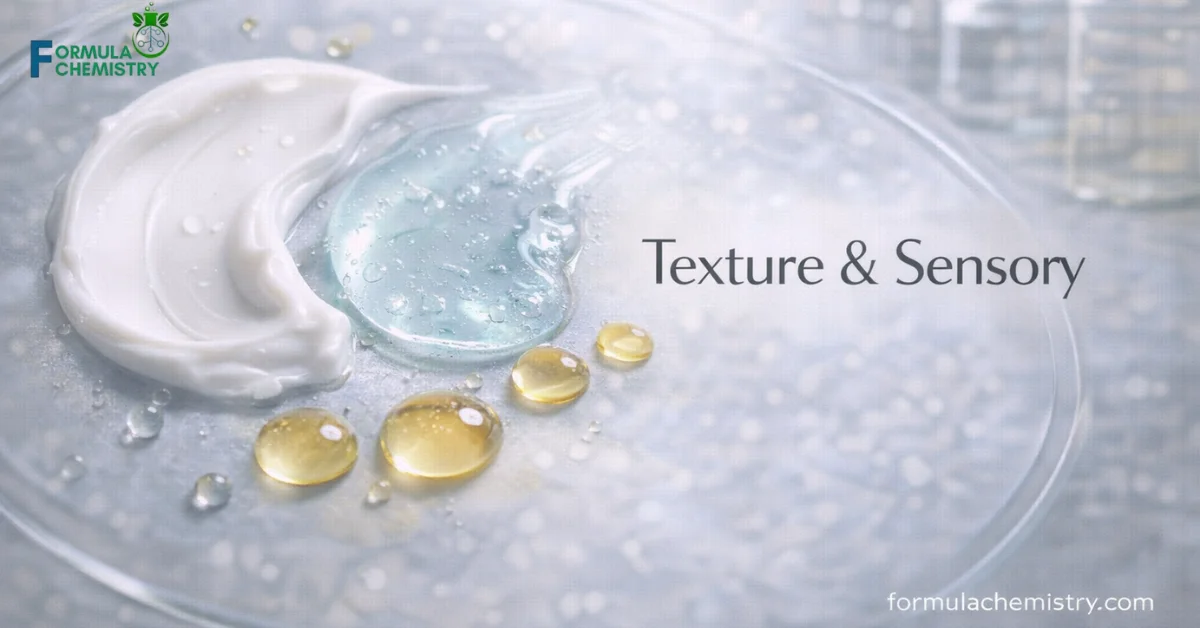
The viscosity and flow of the product dictate how much mechanical friction is applied to the delicate skin surface.
Reducing Drag
Dry skin is fragile and prone to micro-tears from rubbing.
A thick cream or milk texture creates a hydro-lipid film between your fingers and your face. This “slip” allows you to massage the skin effectively without dragging or pulling, which prevents physical irritation.
Rheology Modifiers
Thickeners like Xanthan Gum or Carbomers control the flow.
In Formula Chemistry DIY, getting the thickness right is important. If it’s too thin, it runs off before cleaning; if it’s too thick, it drags. The ideal texture allows for a 60-second massage to fully break down surface grime.
Formula Chemistry DIY: Making a Cream Cleanser
Creating a custom hydrating cleanser at home allows you to control the exact concentration of nourishing oils.
The Lipid-Rich Recipe
This formula uses a gentle emulsifier and soothing oils to create a milky wash.
- Phase A (Oil): 15% Sweet Almond Oil (Emollient), 5% Emulsifying Wax NF.
- Phase B (Water): 60% Distilled Water, 5% Glycerin (Humectant).
- Phase C (Surfactant): 10% Cocamidopropyl Betaine (Gentle foam).
- Phase D (Cool down): 1% Preservative, 4% Colloidal Oatmeal (Soothing).
The Emulsification Process
Heat Phase A and Phase B separately to 70°C.
Pour the water into the oil and blend with high shear. Once the emulsion forms (it turns white), let it cool below 40°C before adding the surfactant and preservatives. This ensures the formula chemistry remains stable and the active potency.
Who Needs an Intensive Hydrating Cleanser?
While gentle, these rich formulations are specifically engineered for skin types that are deficient in natural oil production.
Dry and Mature Skin
As we age, sebaceous glands slow down.
This cleanser replaces the lipids that the body no longer produces. It is essential for mature skin to prevent the “crepey” look that occurs after washing with standard foaming gels.
Compromised Barriers
If you are using Retinol, Accutane, or have over-exfoliated.
Your barrier is full of holes. A hydrating cleanser acts as a patch, avoiding additional harm. It cleans without challenging the skin’s already stressed defenses.
Comparing Cream vs. Gel vs. Foam
Moving through the aisle requires knowing how the physical state of the cleanser impacts its cleaning power.
| Feature | Intensive Cream Cleanser | Gel Cleanser | Foam Cleanser |
| Surfactant Level | Low | Medium | High |
| Lipid Content | High (Oils/Butters) | Low | Very Low |
| pH Level | 5.0 – 5.5 | 5.0 – 6.0 | Often 7.0+ |
| Skin Feel | Soft, Moisturized | Fresh, Clean | Squeaky Clean |
| Best For | Dry/Sensitive | Normal/Combo | Oily |
Application Techniques for Maximum Hydration
Even the most expensive formula will fail if the mechanical application damages the skin’s protective layer.
The Dry-to-Wet Method
Apply the cream cleanser to dry skin first.
This allows the oils in the cleanser to latch onto the makeup and sebum on your face. Once massaged in, add water to emulsify. This two-step process maximizes the solubilizing power of the chemical formula.
Lukewarm Water Only
Hot water melts your natural skin oils (lipids).
Always rinse with lukewarm water. This removes the cleanser and dirt but leaves the deposited moisturizing agents intact. Cold water could not effectively remove the emulsified oils, leaving a heavy residue.
Common Ingredients to Avoid
To maintain deep hydration, you must vigilantly exclude ingredients that chemically strip the skin’s natural oils.
Sodium Lauryl Sulfate (SLS)
This is a standard industrial degreaser.
It disturbs the lipid bilayer significantly. In Formula Chemistry skincare, we avoid SLS in hydrating products because it increases Transepidermal Water Loss (TEWL) for hours after use.
High Alcohol Content
Alcohol Denat or SD Alcohol makes products dry fast.
However, it strips water and oil instantly. Ensure your hydrating cleanser utilizes fatty alcohols (like Cetyl) rather than volatile alcohols that dehydrate the surface.
Conclusion
An Intensive Hydrating Cleanser is the foundation of a reparative skincare routine, acting as the first step in moisture retention.
By combining non-ionic surfactants, biomimetic humectants, and barrier-sealing lipids, these formulations prove that you can achieve purity without punishment.
Whether you purchase a clinical emulsion or experiment with Formula Chemistry DIY, respecting the subtle balance of your skin’s biology secures a healthy, radiant complexion every time you wash.
FAQ’s about Intensive Hydrating Cleanser: Deep Hydration and Gentle Purity
Will a hydrating cleanser remove heavy makeup?
Generally, no. Hydrating cleansers are designed to be gentle. While they remove light makeup, heavy waterproof foundation or mascara usually requires a “double cleanse.” Use a dedicated oil balm first to break down the pigments, then follow with the hydrating cleanser to clean the skin.
Does a cleanser need to foam to work?
Absolutely not. Foam is just air trapped in liquid, created by surfactants. Many effective cleansing agents (like lotions or oils) clean via emulsification without creating bubbles. In fact, less foam often means a more sophisticated and gentle chemistry formula.
Can oily skin use a hydrating cleanser?
Yes, especially if the oily skin is dehydrated (lacking water). However, oily types might prefer a “milk” texture over a heavy “cream” to avoid blocking pores. Hydrating cleansers can actually help regulate oil production by preventing the skin from panic-producing oil after a harsh wash.
Why does my skin feel like there is a film left behind?
That “film” is intentional. It is the moisturizing agents (emollients) deposited by the cleanser to protect your barrier. If you are used to squeaky-clean skin, this takes adjustment, but it is a sign that the formula chemistry is working to prevent dehydration.
Can I use a hydrating cleanser with an exfoliating brush?
It is not recommended. Hydrating cleansers are for delicate or dry skin. Using a physical brush negates the mild nature of the product and can cause micro-tears. If you must use a tool, choose a very soft silicone brush and use light pressure.
Is Cetyl Alcohol bad in a hydrating cleanser?
No, Cetyl Alcohol is a “fatty alcohol.” Unlike rubbing alcohol, which dries the skin, fatty alcohols are derived from oils (like coconut) and help to soften and condition the skin. They are essential for the creamy texture of hydrating cleansers.
How do I preserve my DIY hydrating cleanser?
Water-based cleansers are prone to bacteria. You must use a broad-spectrum preservative similar to Liquid Germall Plus (at 0.5% – 1.0%). Vitamin E is an antioxidant, not a preservative, and will not stop mold growth in your Formula Chemistry DIY creation.
Can hydrating cleansers cause acne?
They can if they contain highly comedogenic ingredients like Coconut Oil or Cocoa Butter and are not rinsed off thoroughly. If you are acne-prone, look for hydrating cleansers formulated with non-comedogenic oils like Squalane, Hemp Seed, or Grapeseed oil.