
Introduction
The pursuit of “Glass Skin” signifies a dedication to achieving a complexion so smooth, hydrated, and translucent that it resembles glass. This aesthetic focuses on health and hydration over masking imperfections with makeup.
Achieving this luminosity requires understanding your skin’s barrier and the ingredients that affect it. Master the formula chemistry of your routine to boost light reflection and moisture retention.
In this extensive guide, we deconstruct the Korean skincare regimen through a scientific lens. We will explore how to layer products, select the right molecular structures, and even utilize Formula Chemistry DIY techniques to achieve that coveted, mirror-like glow.
What Defines Glass Skin in Formula Chemistry?
To achieve glass skin, we must first understand the optical and biological properties that create this specific visual effect.
The Physics of Light Reflection
Glass skin is essentially a result of specular reflection. When the skin’s surface is perfectly smooth and free of dead cells, light bounces off it evenly.
If the skin is rough or dehydrated, the light scatters (diffuse reflection), making the skin look dull. Therefore, the goal of your Formula Chemistry skincare routine is to create a perfectly smooth canvas that maximizes light refraction.
The Biological Water Cushion
Translucency is due to water content in the epidermis. When cells are plump with water, they line up tightly like a brick wall.
This organization reduces shadows and creates a “see-through” effect. We achieve this by manipulating the chemical formula of the skin’s moisture barrier, making sure it is saturated with humectants and sealed with lipids.
The Chemistry Formula of Double Cleansing
The first step in any glass skin routine is removing the oil-based and water-based impurities that clog pores and dull the surface.
Step 1: Lipophilic Oil Cleansers
“Like dissolves like” is a fundamental rule in chemistry. Sebum, sunscreen, and makeup are lipophilic (oil-loving).
Water alone cannot remove these. You need an oil cleanser formulated with emulsifiers. These molecules bind to the oil on your face and, when water is added, form a milky emulsion that rinses away cleanly without disrupting the skin’s pH.
Step 2: Hydrophilic Water Cleansers
Once the surface oil is gone, you need a water-based cleanser to remove sweat, dust, and dirt.
Look for a gentle formula with a pH between 4.5 and 5.5. This preserves the acid mantle, important for keeping bacteria out and moisture in. High pH soaps strip the barrier, making glass skin impossible.
Refining Texture with Gentle Formula Chemistry Skincare
Exfoliation is non-negotiable for glass skin, as it removes the rough, dead cells that disperse light, but it must be done chemically, not physically.
Alpha Hydroxy Acids (AHAs)
AHAs like Glycolic and Lactic Acid dissolve the ionic bonds that hold dead skin cells together.
Glycolic acid has a small molecular size, allowing it to penetrate deep for fast results. Lactic acid is larger and also acts as a humectant, making it superior for the formula chemistry of dry skin types aiming for a glow.
Beta Hydroxy Acids (BHAs)
Enlarged pores disrupt the glass skin look. Salicylic Acid, being oil-soluble, penetrates the pore lining.
It clears out the debris that causes blackheads. By shrinking the appearance of pores, you create a smoother surface topography, which is essential for that mirror-like reflection.
Layering Humectants for Maximum Chemical Formula Absorption
The “7-Skin Method” is a famous Korean technique that involves layering a hydrating toner multiple times to force moisture into the skin.
The Role of Glycerin and Hyaluronic Acid
These are humectants, meaning they form hydrogen bonds with water molecules.
Glycerin is small and penetrates deeply. Hyaluronic Acid comes in various molecular weights. A good Formula Chemistry skincare toner combines both to hydrate multiple layers of the epidermis simultaneously.
How to Layer Effectively
- Layer 1: Apply toner to damp skin immediately after cleansing.
- Layers 2-3: Pat in subsequent layers before the previous one dries completely.
- Result: This saturation swells the corneocytes (skin cells), ironing out fine lines and creating immediate plumpness.
Nourishing the Barrier with Advanced Formula Chemistry
Serums are the workhorses of the glass skin routine, containing high concentrations of actives that target dullness and pigmentation.
Niacinamide for Brightness
Niacinamide (Vitamin B3) prevents the transfer of melanin pigment to skin cells.
By stopping dark spots from reaching the surface, it evens out the skin tone. Furthermore, it stimulates ceramide production, strengthening the lipid barrier, which is the container for all your hydration.
Snail Mucin and Growth Factors
Snail mucin is rich in glycoproteins, hyaluronic acid, and glycolic acid.
Its composition aids wound healing and tissue repair, providing an immediate glazed look while repairing over time.
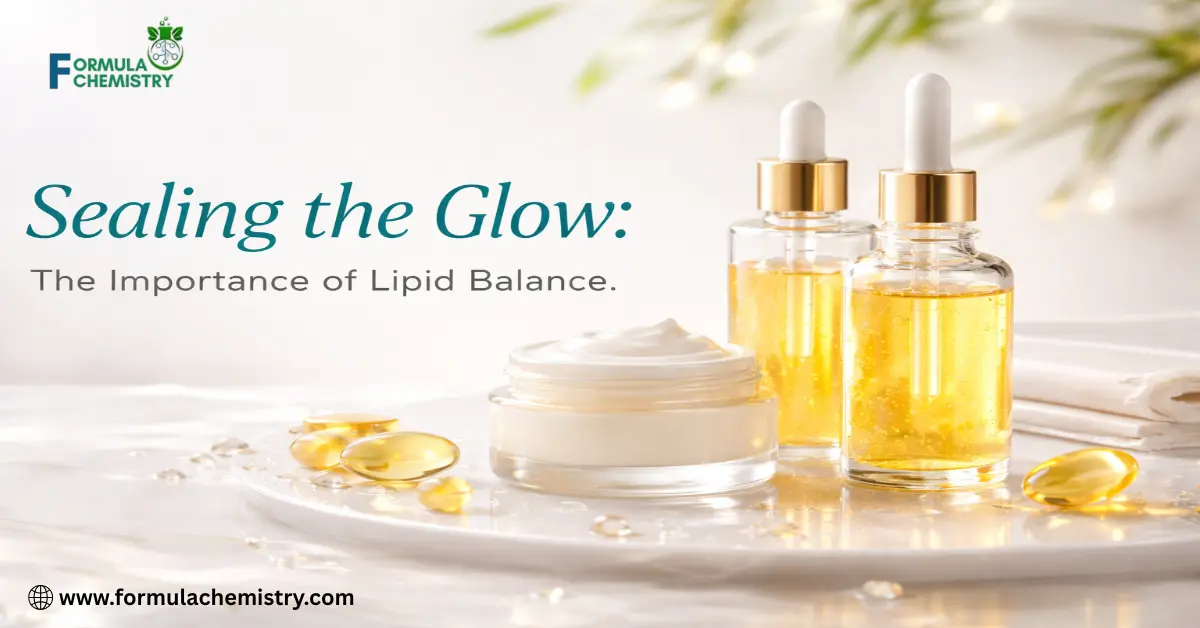
Sealing the Glow: The Importance of Lipid Balance
All the hydration you added will evaporate (Transepidermal Water Loss) unless you seal it with an occlusive layer.
Ceramides and Cholesterol
Your skin’s natural mortar is made of ceramides, cholesterol, and fatty acids.
The best moisturizers for glass skin mimic this formula. They fill in the space between cells, smooth the surface, and lock in moisture for a lasting glow.
Choosing the Right Occlusive
For oily skin, silicones like Dimethicone form a breathable seal without clogging.
For dry skin, heavier plant oils like Squalane or Shea Butter are needed. These oils have a refractive index similar to that of skin, boosting radiance without looking greasy.
Formula Chemistry DIY: Creating Your Own Glass Skin Essence
You can utilize the power of fermentation at home to create a potent, brightening essence using simple kitchen ingredients.
Fermented Rice Water Toner
Rice water is rich in Inositol and Ferulic Acid. Fermentation breaks these down into smaller molecules for better absorption.
- Process: Rinse organic rice, then soak it in distilled water.
- Fermentation: Leave at room temperature for 24-48 hours until slightly sour.
- The drop in pH during fermentation aligns the liquid with your skin’s acidity, tightening pores and increasing shine.
Green Tea and Honey Mask
Green tea contains EGCG, a powerful antioxidant that reduces redness.
- Mixture: Mix brewed strong green tea with raw honey.
- Application: Honey is a natural humectant.
- Benefit: This mask calms inflammation, a major enemy of an even-toned glass skin look.
Protecting the Formula Chemistry of Your Skin with SPF
UV radiation breaks down collagen and elastin, causing the skin to become lax and dull, effectively destroying the glass skin effect.
Chemical vs. Mineral Filters
Chemical filters (such as Avobenzone) absorb UV rays and convert them into heat. They are commonly chosen for glass skin because they leave no white cast and have a dewy finish.
Mineral filters (Zinc Oxide) sit on top and reflect UV rays. Modern micronized versions can also be invisible and are better for sensitive skin types.
The PA++++ Rating System
Korean sunscreens use the PA system to measure protection against UVA (aging) rays.
To maintain glass skin, you must use a PA++++ sunscreen. UVA rays penetrate glass and clouds, causing long-term damage to the chemical formula of your dermal proteins.
Internal Chemistry Formula: Diet and Hydration
You cannot achieve a translucent glow if your internal biology is dehydrated or inflamed; topical products can only do so much.
Hydration and Electrolytes
Drinking water is important, but retaining it requires electrolytes.
Consuming foods rich in potassium and magnesium helps your cells hold onto water. Without internal hydration, the skin will look flat and tired regardless of your skincare routine.
Omega-3 Fatty Acids
Your cell membranes are made of fat. To keep them fluid and healthy, you need Omega-3s (found in fish, flaxseed, and walnuts).
A diet rich in healthy fats helps keep your skin cells soft and pliable, contributing to the overall glass-skin look.
Advanced Treatments: Sheet Masks and Sleeping Packs
For an extra boost, Korean skincare uses prolonged contact methods to help ingredients penetrate the skin.
The Physics of Sheet Masks
A sheet mask creates an occlusive barrier that prevents the evaporation of the essence.
This raises the skin’s temperature slightly, opening pores and allowing the formula’s chemistry to penetrate much deeper than with standard application.
Sleeping Masks (Occlusives)
These are heavy-duty moisturizers applied as the final step at night.
They are designed to stay on the skin for 8 hours, slowly releasing hydration. You wake up with skin that is fully saturated, looking plump and rested.
Troubleshooting Common Glass Skin Obstacles
Not everyone’s skin reacts the same way; personalization is essential to avoiding breakouts while chasing the glow.
Fungal Acne Triggers
Some fermented ingredients (common in glass skin products) can trigger fungal acne (Malassezia).
If you have this condition, avoid galactomyces and oils high in oleic acid. Stick to a safe chemistry formula utilizing propolis or aloe vera instead.
Over-Exfoliation
It is tempting to scrub for smoothness, but this damages the barrier.
If your skin looks “waxy” or feels tight, you have gone too far. Stop all acids and focus solely on barrier repair ingredients like panthenol and ceramides until the chemical formula of your lipid barrier is restored.
Conclusion
Achieving glass skin is a journey of discipline and scientific understanding. It requires a routine that follows the formula chemistry of your skin’s natural functions cleansing gently, hydrating deeply, and protecting rigorously.
By choosing ingredients that improve light reflection and support cellular health, you can transform your complexion, whether you rely on high-tech Korean serums or explore DIY remedies from Formula Chemistry. The secret lies in consistency and in maintaining a healthy, hydrated barrier.
FAQ’s about the Korean Skincare Guide
What is the difference between glass skin and oily skin?
Glass skin is characterized by a sheen from deep hydration and a smooth surface texture, whereas oily skin has a greasy film from excess sebum production sitting on the surface. Glass skin feels plump and bouncy, while oily skin commonly feels slick and may have enlarged, congested pores.
How long does it take to achieve glass skin?
Reaching authentic glass skin is not an overnight process; it typically takes at least 2 to 3 skin cycles (about 2 to 3 months) on a regular schedule. You need time to repair the moisture barrier, fade hyperpigmentation, and refine the skin texture using effective Formula Chemistry skincare.
Can I get glass skin even with acne?
Yes, but the focus must first be on calming inflammation and healing active breakouts using ingredients like Centella Asiatica and Niacinamide. You should avoid heavy oils that might clog pores and instead use lightweight, water-based hydrators to build the glow without intensifying acne chemistry.
Is double cleansing necessary if I don’t wear makeup?
Yes, double cleansing is still highly recommended, as oil-based cleansers are the most effective way to remove sunscreen and excess sebum produced throughout the day. A water-based cleanser alone often fails to fully remove these lipophilic impurities, leading to clogged pores and dullness.
What is the 7-skin method in Korean skincare?
The 7-skin practice comprises applying a hydrating toner or essence in thin layers up to 7 times immediately after cleansing. This technique forces a massive amount of hydration into the skin without the heaviness of a thick cream, maximizing the absorption of the product’s chemical formula.
Can I use Vitamin C and Niacinamide together?
Yes, modern formula chemistry has stabilized these ingredients, allowing them to be used together safely to brighten the skin. In fact, they work synergistically: Vitamin C fades pigmentation while Niacinamide improves skin texture and barrier health, accelerating the glass skin effect.
Why is my skin dull even though I moisturize?
Dullness despite moisturizing usually indicates a lack of exfoliation or dehydration (lack of water) rather than dryness (lack of oil). You likely need to incorporate a gentle AHA exfoliant to remove dead surface cells, and add a humectant-rich toner to increase the epidermis’s water content.
Are fermented ingredients safe for sensitive skin?
Generally, fermented ingredients are beneficial for sensitive skin because the fermentation process breaks down molecules into smaller sizes for easier absorption and produces soothing byproducts. However, always patch-test, as the potent biological activity of the formula’s chemistry can sometimes trigger reactions in highly reactive skin types.