
Introduction
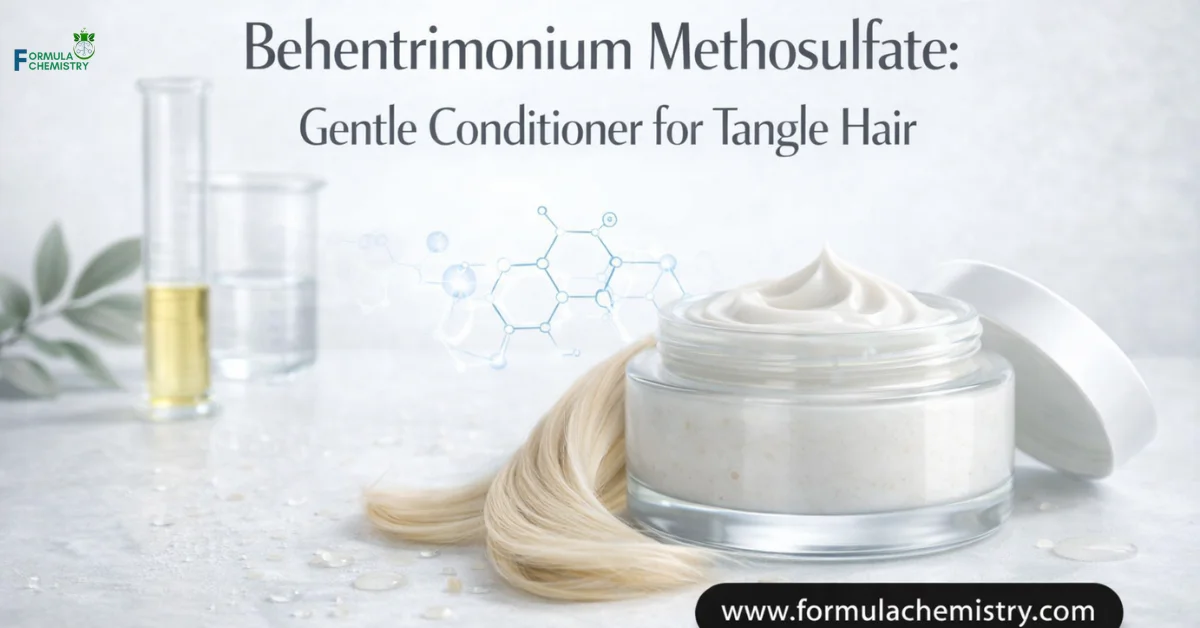
In the domain of cosmetic chemistry, few ingredients have changed hair care formulation quite like Behentrimonium Methosulfate. Often abbreviated as BTMS, this ingredient is a quaternary ammonium compound obtained from the oil of the colza plant (rapeseed oil). Unlike many other “quats” that can be irritating or harsh, Behentrimonium Methosulfate is noted for its incredible mildness and superior detangling properties.
For formulators, BTMS represents the gold standard for creating high-performance conditioners, leave-in sprays, and hair masks. It functions as both a primary emulsifier and a conditioning agent, simplifying the formulation process while delivering industry-quality results. Its ability to penetrate the hair shaft rather than just coating it provides lasting hydration and manageability without the heavy, greasy buildup associated with silicones.
Whether you are designing a product for high-porosity curly hair fine, easily weighed-down strands, comprehending the nuances of this ingredient is essential. Formula Chemistry provides practical formulation education and safety-forward guidance to help you master this versatile surfactant and create safe, stable products.
Quick Facts
- INCI Name: Behentrimonium Methosulfate (usually sold as a blend with Cetearyl Alcohol or Butylene Glycol)
- Function: Cationic Surfactant, Emulsifier, Conditioning Agent
- Charge: Cationic (Positive)
- Typical Usage Rate: 1% – 10% (Standard conditioners), 0.5% – 2% (Leave-ins)
- Solubility: Oil soluble; requires heating to approximately 60°C – 85°C (depending on the blend) to melt.
- Optimal pH Range: Stable across a wide range, but best performance in hair care is pH 4.0 – 5.0.
- Best For: Detangling, reducing static, softening coarse hair, and emulsifying silicone-free conditioners.
- Safety Note: Generally safe for leave-on products; however, always ensure adequate preservation in water-based formulas and perform a patch test.
What Makes Behentrimonium Methosulfate Unique?
Behentrimonium Methosulfate is distinctive in the crowded market of cationic surfactants due to its chemical structand safety characteristicsfile. To understand why it is so effective for detangling, we must look at its carbon chain length. BTMS possesses a long C22 behenyl chain. In cosmetic chemistry, a longer fatty chain typically translates to greater hydrophobicity (water-repelling) and substantivity (adherence) to the hair surface.
This long chain allows the molecule to deposit onto the hair cuticle more effectively than shorter-chain counterparts like Cetrimonium Chloride. Once deposited, it flattens the cuticle considerably reducing friction between hair strands. This reduction in friction is exactly what allows a comb to glide through wet or dry hair effortlessly, minimizing breakage and mechanical damage during styling.
Furthermore, despite the “sulfate” in its name, Behentrimonium Methosulfate is NOT a sulfate in the context of harsh detergents like Sodium Lauryl Sulfate (SLS). It does not strip natural oils. Instead, the “methosulfate” portion refers to the salt form of the quaternary ammonium compound, which adds to its mildness and makes it suitable even for sensitive scalps and baby products.
The Science of Cationic Adsorption
Hair is naturally negatively charged (anionic), especially when it is wet or damaged. Behentrimonium Methosulfate is cationic, meaning it carries a positive charge. Due to electrostatic attraction, the positively charged BTMS molecules are magnetically drawn to the negatively charged damage sites on the hair shaft.
This process is known as adsorption. Unlike simple coating agents that sit on top of the hair, BTMS binds to the specific areas that need conditioning the mosThis specific conditioning neutralizes the negative static charge of the hair, eliminating “flyaways” and frizz. Because the bond is electrostatic, it is durable enough to provide lasting softness but weak enough to prevent excessive buildup that leaves hair looking limp.
Comparing Commercial Blends: BTMS-25 vs. BTMS-50
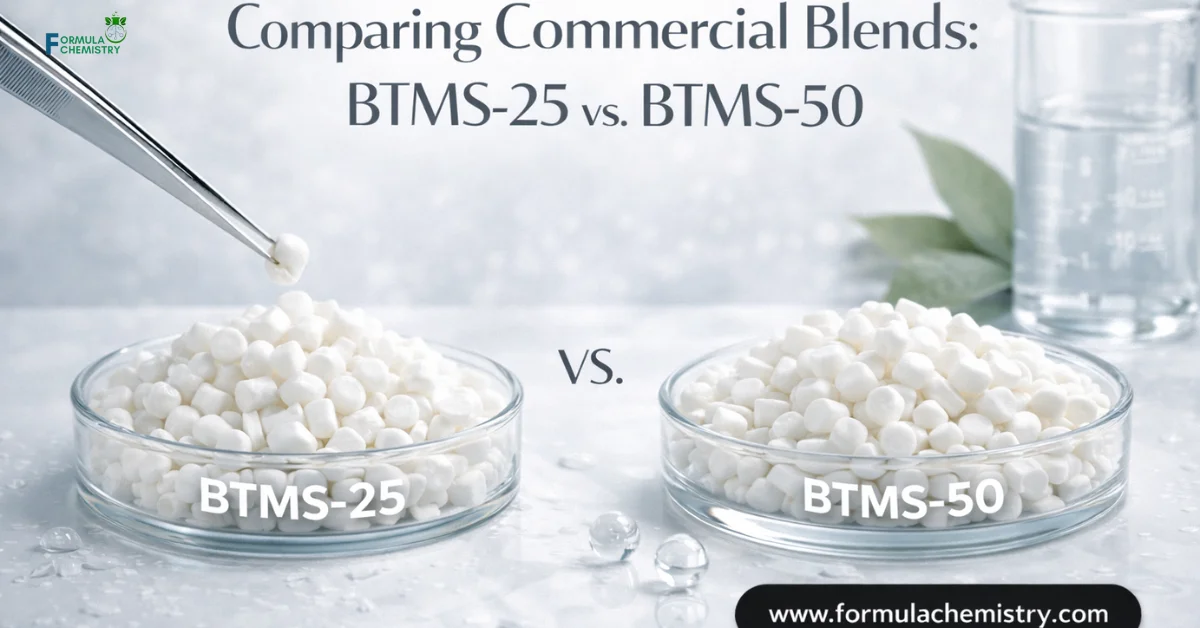
When purchasing this ingredient, formulators will typically encounter two variations: BTMS-25 and BTMS-50. The number refers to the approximate percentage of active Behentrimonium Methosulfate in the raw material blend.
BTMS-25 typically contains 25% active conditioning agent and 75% Cetearyl Alcohol (a fatty alcohol). This blend creates thick, creamy, and opaque emulsions. It is excellent for heavy hair masks and deep conditioners where high viscosity is desired. The high fatty alcohol content adds “body” to the product and extra emollience to the hair.
BTMS-50 usually contains 50% active conditioning agent, with the remainder being Cetyl Alcohol and Butylene Glycol. This version is more expensive but offers double the conditioning power per gram. It allows for thinner, milkier emulsions, rendering it ideal for lightweight leave-in sprays or detanglers where you want maximum slip without the bulk of excess fatty alcohols.
Formulating High-Performance Conditioners
Integrating Behentrimonium Methosulfate inone’s formulaslas requiresparticular handlingg to preserve stability and efficacy. Since it acts as a primary emulsifier, it can often hold an emulsion together without the need for co-emulsifiers like Polysorbate 60 or Emulsifying Wax NF. However, it requires heat to process. You must melt the BTMS pellets in your oil phase, making sure the temperature reaches at least 75°C – 80°C to fully liquefy the fatty alcohols and the quaternary compound.
Once the oil phase (containing BTMS, carrier oils, and butters) and the water phase are at similar temperatures, they are combined with high-shear mixing. This creates a cationic emulsion. Unlike anionic emulsions (like traditional lotions), cationic emulsions have a unique powdery, soft after-feel on the skin and a silky “slip” on the hair.
Optimizing Usage Rates and pH
For a standard rinse-out conditioner, a usage rate of 3% to 6% of BTMS-25 is a good starting point. This provides enough emulsification power for 5-10% oil phase and sufficient conditioning for normal hair. If using BTMS-50, you can lower this to 1.5% to 3% for similar conditioning levels, though you may need to add separate fatty alcohols (like Cetyl or Stearyl Alcohol) if you want to increase the thickness of the cream.
The pH of the final product is critical. While BTMS is stable over a wide pH range, hair conditioners perform best at a slightly acidic pH. Adjusting your final formula to pH 4.0 – 5.0 helps to compact the hair cuticle, locking in moisture and enhancing shine. Use a Citric Acid solution to lower the pH if necessary. Avoid high pH levels (above 7), as this lifts the cuticle and negates the smoothing effects of the conditioner.
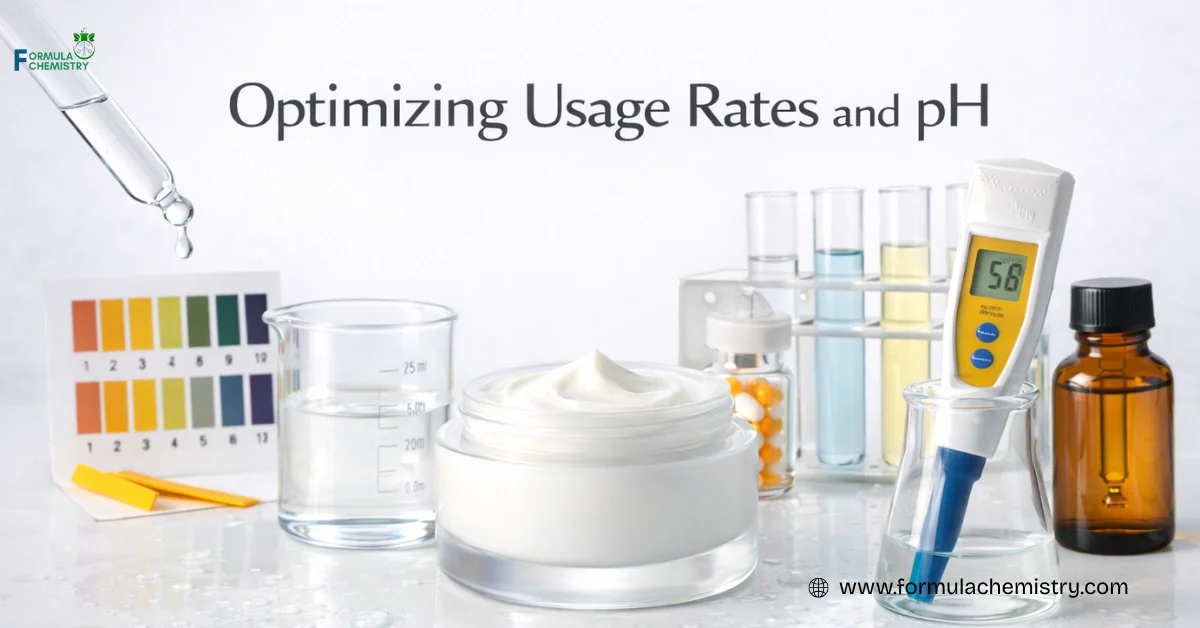
Table: Quick Comparison of BTMS Blends
| Feature | BTMS-25 | BTMS-50 |
| Active Matter | ~25% Behentrimonium Methosulfate | ~50% Behentrimonium Methosulfate |
| Carrier/Binder | Cetearyl Alcohol | Cetyl Alcohol / Butylene Glycol |
| Viscosity | High (Thick creams) | Low to Medium (Milks/Sprays) |
| Cost | Lower | Higher |
| Best Application | Hair Masks, Deep Conditioners | Leave-ins, Detanglers, Solid Bars |
Synergistic Ingredients for Superior Slip
While Behentrimonium Methosulfate is a powerhouse on its own, pairing it with compatible ingredients can boost your formulation to a salon-quality product. “Slip” refers to the lubricity of the product—how easily it spreads and allows combs to pass through tangles.
Hydrolyzed proteins (such as silk or wheat protein) work well with BTMS to patch damage gaps in the cuticle. Additionally, cationic polymers like Polyquaternium-7 or Polyquaternium-10 can be added at 0.2% – 0.5% to boost the detangling factor withojeopardizing thethe emulsion. If you are formulating for natural or dry hair, incorporating amphiphilic lipids like Panthenol (Vitamin B5) at 1% – 2% adds moisture retention tthat supportsthe occlusive nature of the Behentrimonium.
Common Formulation Challenges and Fixes
Ewith a powerfulbust ingredient like BTMS, formulators often encounter stability issues or texture problems. A common complaint is “graininess” in the final conditioner. This usually occurs when the formula is cooled too quickly or unevenly, causing the high-melting-point fatty alcohols and waxes to crystallize before the emulsion structure is set. To prevent this, ensure you stir the emulsion continuously while it cools down to 40°C.
An additional challenge is viscosity drift. You might make a conditioner that looks perfect on day one, but becomes water-thin or rock-hard at day three. Cationic emulsions can take up to 48 hours to reach their final viscosity. Do not judge the thickness immediately after pouring.
Handling Incompatibilities
Behentrimonium Methosulfate is cationic, which means it is generally incompatible with anionic ingredients. If you try to mix BTMS with Xanthan Gum (which is usually anionic) or Carbomer, you will likely see the product clump or separate immediately. This is due to the opposing charges neutralizing each other and breaking the emulsion matrix.
Instead, use nonionic thickeners like Hydroxyethylcellulose (HEC) or cationic-compatible guar gums (Guar Hydroxypropyltrimonium Chloride) if you need to adjust the rheology of the water phase. Furthermore, refrain from adding strong anionic surfactants (like SLS) to a BTMS conditioner, as they will form an insoluble precipitate (scum) that is difficult to wash out of hair.
Common Problems and Fixes
- Problem: Conditioner is grainy or pearlescent in a bad way.
- Fix: You likely suffered from “thermal shock.” Re-heat the batch to 75°C and cool slowly with consistent, moderate stirring.
- Problem: The emulsion separated after adding fragrance.
- Fix: Some fragrance oils disrupt emulsions. Mix the fragrance with a solubilizer like Polysorbate 20 before adding, or ensure the emulsion is below 40°C before adding cool-down phase ingredients.
- Problem: The conditioner feels waxy on the hair.
- Fix: The percentage of BTMS-25 (specifically the fatty alcohol portion) is too high. Switch to BTMS-50 or reduce the total oil phase percentage.
FAQ’s about Behentrimonium Chloride: The Solution for Smooth, Frizz-Free Hair
Is Behentrimonium Methosulfate a sulfate?
No. Despite the name, it is not a sulfate surfactant like Sodium Lauryl Sulfate (SLS). It is a quaternary ammonium salt. The “methosulfate” part is simply the counter-ion that makes the ingredient mild and water-dispersible. It does not strip hair of natural oils.
Is BTMS safe for color-treated hair?
Yes, it is excellent for color-treated hair. Because it is acidic-balanced and smooths the cuticle, it helps lock in color molecules. Its mild character guarantees it does not strip hair dye, unlike harsher anionic detergents.
Can I use BTMS in a leave-in conditioner?
Yes. BTMS-50 is particularly good for leave-in conditioners because it contains less fatty alcohol, decreasing the risk of weighing the hair down. Use it at 1% – 3% for a lightweight, sprayable milk.
What preservatives work with Behentrimonium Methosulfate?
Since BTMS is cationic, you must use preservatives compatible with cationic systems. Liquid Germall Plus, Phenoxyethanol, and Benzyl Alcohol blends work well. Avoid preservatives that depend heavily on anionic mechanisms or organic acid salts that could conflict at specific pH levels.
Is Behentrimonium Methosulfate natural?
It is considered naturally derived or semi-synthetic. The behenyl group comes from non-GMO rapeseed oil (Canola), but it goes through chemical processing (quaternization) to become a functional conditioner. It is not “natural” in the raw sense, but is often approved for use in “green” formulations.
Does BTMS cause buildup on hair?
It has a low potential for buildup compared to silicones or heavier quats. Because it adsorbs to the hair via electrostatic attraction, it can be removed easily with a standard shampoo. It does not form an impenetrable barrier that requires harsh clarifying agents.
Can I use BTMS as the only emulsifier?
Yes. BTMS is a complete self-emulsifying wax. It can emulsify silicones, oils, and esters without the need for Polysorbates or other emulsifiers, provided the oil phase is within a reasonable ratio (typically up to 25-30% of the formula).
What is the difference between BTMS and Cetrimonium Chloride?
BTMS has a longer carbon chain (C22) compared to Cetrimonium Chloride (C16). This makes BTMS more conditioning, more hydrophobic, and milder on the skin. Cetrimonium Chloride is often used for lightweight detangling, whereas BTMS provides deep conditioning and creaminess.