
Introduction
The eye are the first area to reveal signs of fatigue and aging, largely because the skin here is significantly thinner than the rest of the face. Treating this delicate area requires a precise balance of brightening power and gentle hydration.Eye serum is the best serum.
Enter the concept of bio-luminous Vitamin C, a scientific breakthrough designed to deliver antioxidants deeper and more effectively. This serum represents the pinnacle of formula chemistry, ensuring that unstable ingredients remain potent until they reach the cellular level.
In this guide, we dissect the science behind this advanced eye treatment. We will explore how specific ingredients work synergistically to firm, brighten, and defend the orbital area against premature aging.
What Is Biolumin C Technology?
To understand the efficacy of this serum, we must first look at the molecular structure of its star ingredient and how it interacts with the skin.
The Stability Problem
Standard Vitamin C (L-Ascorbic Acid) is notoriously unstable; it oxidizes quickly when exposed to air, turning brown and becoming ineffective.
Biolumin-C technology addresses this by utilizing an ultra-stable Vitamin C complex. This advanced chemical formula binds the vitamin to other molecules, preventing oxidation in the bottle and ensuring it remains active upon application.
Bio-Availability and Penetration
It is not enough for an ingredient to sit on the surface; it must penetrate the stratum corneum to reach the living cells.
In Formula Chemistry skincare, bio-availability is key. This serum uses superior delivery systems that allow the Vitamin C to bypass the skin’s lipid barrier, optimizing its ability to stimulate collagen and neutralize free radicals deep within the dermis.
The Chemistry Formula of Brightening and Defense
The primary goal of this serum is to combat the oxidative stress that leads to dark circles and fine lines through targeted chemical reactions.
Neutralizing Reactive Oxygen Species (ROS)
UV rays and pollution generate unstable molecules called free radicals (ROS) that attack skin cells.
The Vitamin C complex in this serum donates electrons to these free radicals. By stabilizing the chemistry formula of the invading molecules, it prevents them from damaging your DNA and collagen, effectively acting as a biological shield.

Inhibiting Tyrosinase
Dark circles are often caused by hyperpigmentation or blood pooling.
Vitamin C is a known tyrosinase inhibitor. It stops the enzyme responsible for producing melanin. Over time, this chemical intervention fades brown spots and brightens the overall eye contour, giving you a more rested appearance.
Boost your skin’s glow with Biolumin C Gel Moisturizer: Nourish Skin with Vitamin C Complex.
Key Ingredients: Beyond Vitamin C
A truly effective serum relies on a symphony of ingredients where the formula chemistry of each component supports the others.
Tremella Mushroom Extract
This is a humectant that can hold more water than Hyaluronic Acid.
Its molecular structure forms a flexible, breathable film on the skin. This film locks in moisture instantly, plumping the fine lines caused by dehydration and creating a smooth canvas for makeup.
Chia Seed Oil
Rich in Omega-3 fatty acids, Chia Seed Oil is a potent antioxidant and emollient.
It reinforces the delicate lipid barrier of the eye area. Sealing in the water attracted by the Tremella Mushroom, it ensures long-lasting hydration, which is critical for maintaining elasticity in thin skin.
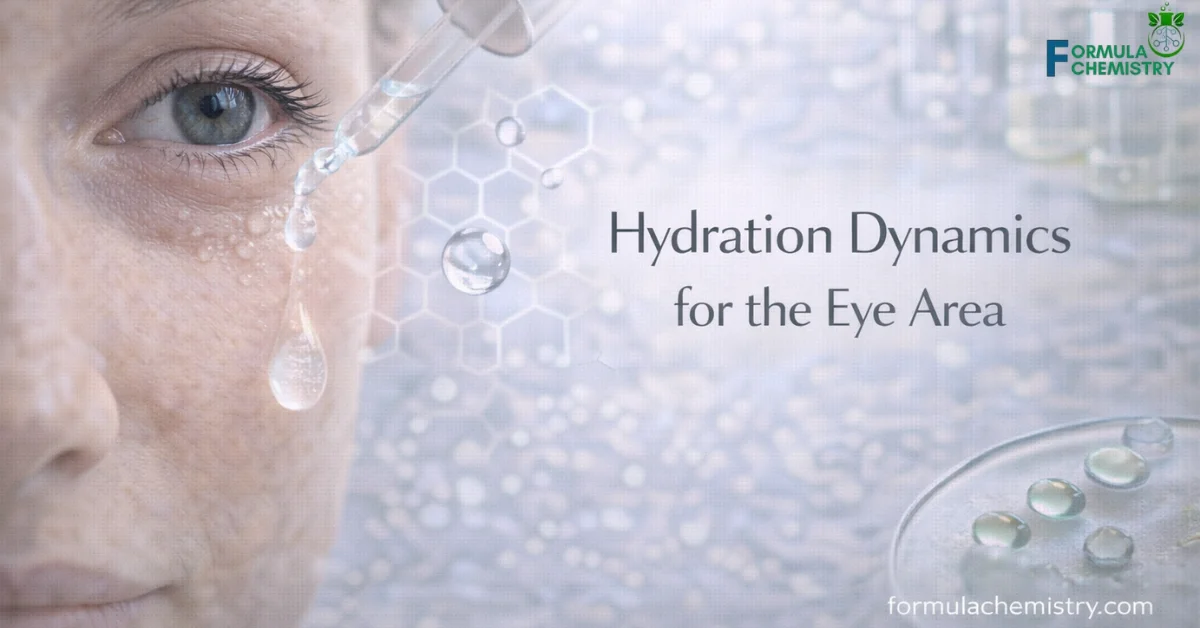
Hydration Dynamics for the Eye Area
The eye area lacks sebaceous glands, making it prone to dryness; the hydration mechanism of this serum is designed to compensate for this biological deficit.
Micro-Encapsulation
Advanced serums often use micro-encapsulation to protect hydrophilic (water-loving) ingredients within a lipophilic (oil-loving) shell.
This engineering allows water-based hydrators to pass through the skin’s natural oil barrier. Once inside, the shell dissolves, releasing the hydration directly where it is needed most.
The Role of Papain
Papain is an enzyme derived from papaya that gently digests dead skin cells.
By chemically exfoliating the surface, Papain ensures that the hydrating ingredients are not blocked by a layer of cellular debris. This enhances the overall absorption rate of the Formula Chemistry skincare routine.
Formula Chemistry DIY: Understanding Stability
While many enthusiasts enjoy making their own skincare, creating a stable Vitamin C eye serum at home presents significant challenges.
The pH Dilemma
Vitamin C requires a low pH to penetrate, but a low pH can irritate the eyes.
In Formula Chemistry DIY, balancing efficacy with safety is difficult. Commercial serums use buffering agents to keep the pH effective yet non-irritating, a precision that is hard to replicate in a home kitchen.
Oxidation Risks
Homemade Vitamin C serums often oxidize within days.
Without professional-grade stabilizers and airless packaging, the chemical formula degrades rapidly. Using oxidized Vitamin C can actually generate more free radicals, causing more harm than good to your delicate eye skin.
Application Techniques for Maximum Results
Even the most advanced formula will fail if applied incorrectly; the mechanical application must respect the fragility of the eye area.
The Orbital Bone Method
Do not apply the serum directly to the soft tissue of the eyelid or right on the lash line.
Dot the product along the orbital bone (the hard socket). The natural warmth of your skin will help the product migrate slightly upward without getting into the eye, preventing irritation.
Tapping for Drainage
Use your ring finger to gently tap the serum into the skin.
This tapping motion stimulates lymphatic drainage. It helps clear the fluid buildup that causes morning puffiness, enhancing the firming effects of the formula chemistry.
Synergistic Pairings in Formula Chemistry
To supercharge your results, you must know which ingredients work well with Vitamin C and which to avoid.
Pairing with SPF
Vitamin C and Sunscreen are best friends.
Applying this serum under your morning SPF boosts the sun protection factor. The Vitamin C neutralizes any UV rays that slip past the sunscreen filters, providing a double layer of defense against photoaging.
Avoiding Retinol Layers
Retinol and Vitamin C are both potent actives that can be irritating if layered directly on thin eye skin.
Use your Biolumin C serum in the morning and your Retinol eye cream at night. This spacing allows the skin to benefit from both powerful chemical formula profiles without compromising the moisture barrier.
Benefits for Different Eye Concerns
This serum is a multi-tasker, addressing a spectrum of issues through its comprehensive ingredient profile.
Fine Lines and Wrinkles
The stimulation of collagen production thickens the dermis.
Thicker skin is more resilient to the folding that causes wrinkles. Over time, the structural integrity of the eye area improves, smoothing out crow’s feet.
Dark Circles
Whether caused by pigment or thinning skin, this serum helps.
It brightens the pigment and strengthens the skin, making the underlying blood vessels less visible. The light-reflecting properties of the serum also provide an instant visual improvement.
Puffiness
The inclusion of ingredients like Poria Mushroom helps regulate fluid balance.
By improving skin density and reducing inflammation, the serum helps minimize the appearance of chronic bags under the eyes.
Signs of High-Quality Formulation
Not all Vitamin C serums are created equal; knowing what to look for on the label ensures you are buying a product backed by sound science.
Airless Packaging
Vitamin C is light and air sensitive.
High-quality serums come in opaque bottles with airless pumps. This mechanical design protects the chemistry formula from the environment, ensuring the last drop is as potent as the first.
Clinical Testing
Look for brands that invest in clinical trials.
“Formula Chemistry” is not just about theory; it is about proven results. Reputable serums will have data supporting their claims of firming and brightening, distinguishing them from generic products.
Conclusion
The Biolumin C Eye Serum is a testament to the power of modern cosmetic science, offering a targeted solution for the face’s most demanding area.
By stabilizing Vitamin C and combining it with advanced hydrators, this formula chemistry masterpiece defends against daily damage while actively repairing the past.
Whether you are a skincare novice or a Formula Chemistry DIY expert looking for inspiration, incorporating a bio-available Vitamin C serum is the definitive step toward brighter, younger-looking eyes.
| Ingredient | Function | Weight % | Amount (ml/g) |
|---|
⚠ Professional Lab Verification Required
- Water Percentage (q.s.): Distilled water is listed as a starting estimate. In a real laboratory batch, water is added q.s. (quantity sufficient) after all other ingredients are accurately weighed to bring the total to exactly 100%.
- pH Adjustment: Sodium hydroxide and citric acid percentages are formulation starting points only. Every real batch must be verified and corrected using a calibrated pH meter to hit the target pH range precisely.
- Vitamin C Stability: Ascorbic Acid is pH and oxygen sensitive. Formula must be manufactured under nitrogen blanket, filled into airless packaging and stored away from light and heat to maintain potency and prevent oxidation.
- Eye Safety: All ingredients must be verified as ophthalmologically tested and safe for periocular use. Every ingredient must comply with EU Cosmetics Regulation Annex III periocular area restrictions.
- Preservation Efficacy: Preservative performance must be validated through Challenge Testing (PET) as per ISO 11930 before any commercial or consumer use of this formulation.
- Stability Testing: This formula requires accelerated stability testing at 4°C, 25°C, and 40°C over a minimum of 12 weeks to confirm physical, chemical, and microbiological stability before market release.
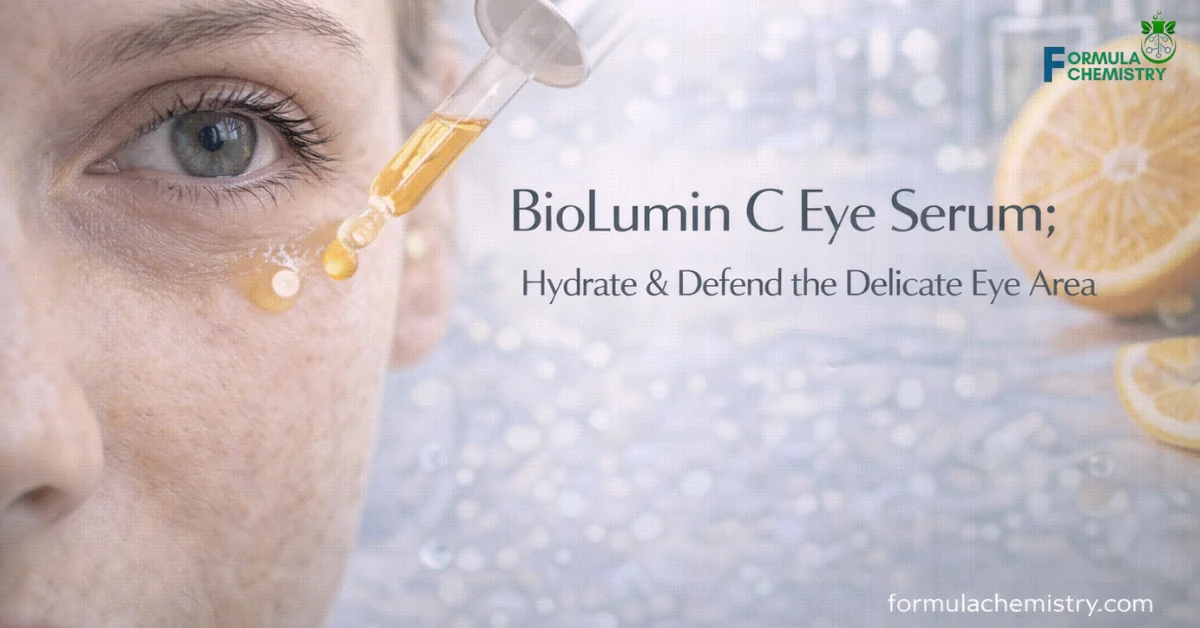
FAQ’s about Biolumin C Eye Serum: Hydrate & Defend the Delicate Eye Area
Can I use this serum on my eyelids?
It is generally recommended to avoid applying active serums directly to the mobile eyelid unless specified. The skin there is incredibly thin and prone to irritation. Apply along the orbital bone, and the product will naturally migrate to where it is needed without causing sensitivity.
Is Vitamin C safe for sensitive eyes?
Yes, especially when using stable derivatives like those found in Biolumin complexes. These forms are less acidic than pure L-Ascorbic Acid, reducing the stinging sensation. However, always patch test a new eye product behind your ear before full application.
How long does it take to see results?
You should see an immediate glow due to the hydration and light-reflecting minerals. For structural changes like reduced fine lines and faded dark circles, consistent use for 4 to 8 weeks is necessary to allow the chemical formula to influence the skin’s renewal cycle.
Can I layer eye cream over this serum?
Absolutely. In fact, it is recommended. The serum provides the active ingredients and hydration, while a thicker eye cream provides the occlusive seal (lipids) to lock everything in. This layering technique maximizes the efficacy of your Formula Chemistry skincare routine.
Does this serum cause sun sensitivity?
Vitamin C actually protects against sun damage, unlike exfoliating acids. However, because it encourages healthier skin turnover, you should always wear SPF during the day to protect the new cells and maintain the brightening results.
Why is the serum turning brown?
If your Vitamin C serum turns brown or orange, it has oxidized. This means the chemistry formula has broken down due to exposure to air or light. It is no longer effective and may be irritating, so you should discard it and replace it with a fresh bottle.
Can I make a Vitamin C eye serum at home?
While possible, it is risky. Achieving the precise pH balance (around 5.5 for eye area) and stability required for Vitamin C is difficult in a Formula Chemistry DIY setting. For the delicate eye area, professionally formulated and tested products are safer and more reliable.
What is the difference between this and a face serum?
Eye serums are formulated with a specific pH and molecular weight to penetrate the thinner skin around the eyes without causing irritation or milia (small cysts). Face serums may be too potent, too heavy, or contain fragrances that irritate the eyes.